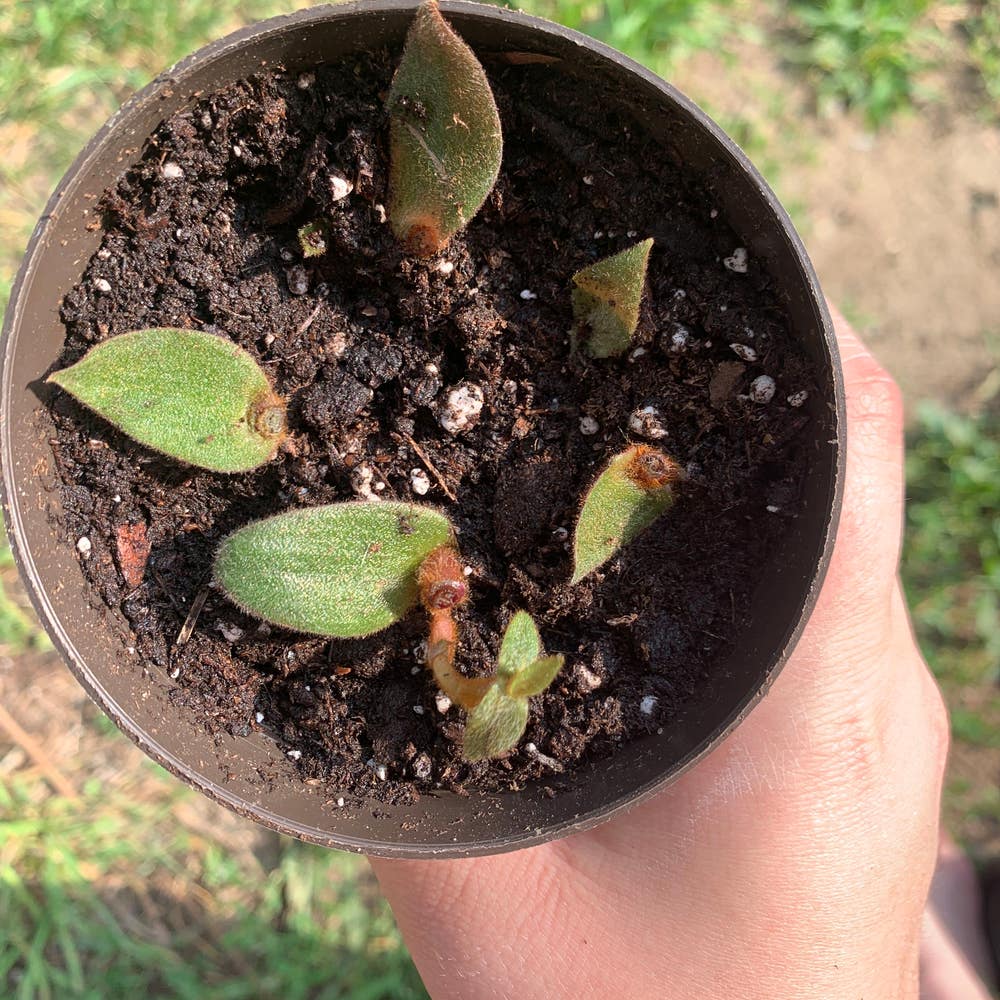
🧸 Why Is My Teddy Bear Vine Dropping Leaves?
Cyanotis beddomei
By the Greg Editorial Team
Jun 18, 2024•4 min read
This article was created with the help of AI so we can cover more plants for you. May contain errors. See one? Report it here.
Rescue your Teddy Bear Vine from leaf loss 🍂 by mastering the art of perfect plant care.
- Yellowing or falling leaves signal stress; act quickly.
- Consistent moisture and stable temps are vital for vine health.
- Inspect and adjust care regularly to prevent leaf drop.
Spotting the Signs: When Your Vine Starts to Shed
🍂 Recognizing Leaf Drop in Teddy Bear Vine
When your Teddy Bear Vine starts to look more bare than cuddly, it's time to spot the stress signs. Yellowing or falling young leaves are your cue to take action. A healthy vine will let go of old leaves gradually, but a stressed one will shed rapidly and indiscriminately.
🌿 Common Missteps in Plant Care
Overzealous watering or neglect can send your vine into a leaf-dropping panic. Keep your watering can in check—consistent moisture is key, not a flood. And remember, your vine is no fan of the extremes; it prefers a stable environment free from the drama of temperature swings and drafty locations.

The Root of the Problem: Uncovering Causes of Leaf Drop
💧 Water Woes: Too Much or Too Little
The Teddy Bear Vine demands a precise watering ritual. Overwatering smothers roots, leading to a dramatic leaf-drop performance. Conversely, underwatering leaves the plant parched, causing leaves to wither in despair. Check the soil's top inch; if it's dry, it's time to quench your plant's thirst. A pot that feels heavier than your emotional baggage? That's a sign to hold off on the waterworks.
🌞 Light and Temperature: Finding the Sweet Spot
Leaves dropping like flies? It might be a cry for the perfect light and temperature. These vines crave bright, indirect sunlight—too much direct sun and they'll sizzle; too little and they'll slump. Keep the temperature consistent, avoiding the drama of sudden changes. Think of it as setting the mood lighting for a date—get it right, and your plant will show its appreciation.
🌱 Soil and Roots: The Foundation of Health
Soil quality and root health are the unsung heroes of leaf retention. A well-draining potting mix is your plant's lifeline, preventing the dreaded root rot. Ensure your pot is the right size—too snug, and your plant becomes root-bound, too spacious, and it's lost at sea. Aim for a cozy, breathable home where roots can spread without throwing an elbow.

Nourishment and Protection: Keeping Your Vine Happy
💪 Feeding Your Plant: Fertilizers and Nutrients
Nutrient deficiencies in your Teddy Bear Vine can be as subtle as a slight change in leaf color or as dramatic as leaf drop. To prevent this, feed your plant with a balanced liquid fertilizer diluted to half strength every 4-6 weeks during the growing season.
Remember, overfeeding is just as harmful as underfeeding. Cease fertilization during the dormant months to avoid nutrient burn and salt buildup in the soil. Occasionally, flush the soil with water to remove excess salts.
🛡️ Defending Against Invaders: Pest and Disease Management
Pests like aphids, mealybugs, scales, and spider mites can wreak havoc on your vine. Regularly inspect leaves and stems. If you spot trouble, act swiftly with manual removal, insecticidal soaps, or neem oil spray.
Diseases often follow poor care practices. Avoid overwatering and ensure good air circulation to prevent issues like root rot. If you notice signs of disease, isolate the plant and consider repotting in fresh, well-draining soil after removing affected roots.

Reviving Your Plant: Steps to Take When Leaves Drop
🚨 Immediate Actions to Stop Leaf Drop
When your Teddy Bear Vine begins to shed leaves, act swiftly. First, remove any fallen foliage to prevent decay and potential pest attraction. Inspect the plant closely for signs of pests or disease; if detected, treat with a targeted method like insecticidal soap or neem oil.
Adjust watering immediately. If the soil feels soggy, allow it to dry out before watering again. Conversely, if the soil is bone-dry, water the plant thoroughly. Ensure the pot has adequate drainage to prevent water from pooling at the bottom.
🌡️ Stabilizing the Environment
Stabilize the temperature around your plant by moving it away from drafty windows or heat sources. Consistent temperatures without sudden fluctuations are key to recovery. Consider the humidity level as well; if it's too low, a pebble tray or humidifier can help.
📅 Long-Term Strategies for Plant Health
Develop a routine for inspecting your plant, which includes checking the leaves, stems, and soil. This regular check-up can help you spot and address issues before they escalate.
Fertilize judiciously; overfeeding can harm your plant as much as neglect. Stick to a balanced fertilizer and follow the recommended dosage and frequency for your Teddy Bear Vine.
🚑 When to Seek Professional Help
If your efforts don't halt the leaf drop, or if the plant's condition worsens, seek professional advice. A local nursery or an online plant care forum can offer guidance tailored to your specific situation.
Remember, patience is crucial. Plants take time to show signs of recovery, so don't expect overnight miracles. With consistent care, your Teddy Bear Vine can bounce back to its plush, leafy self.
⚠️ Safety First
This content is for general information and may contain errors, omissions, or outdated details. It is not medical, veterinary advice, or an endorsement of therapeutic claims.
Always consult a qualified healthcare professional before using any plant as food, medicine, or supplement.
Never eat any plant (or feed one to pets) without confirming its identity with at least two trusted sources.
If you suspect poisoning, call Poison Control (800) 222-1222, the Pet Poison Helpline (800) 213-6680, or your local emergency service immediately.
Spotted an error? Please report it here.
Ensure your Teddy Bear Vine stays thriving and vibrant 🍃 with Greg's custom watering plans and environmental monitoring to prevent leaf drop and promote lush growth.