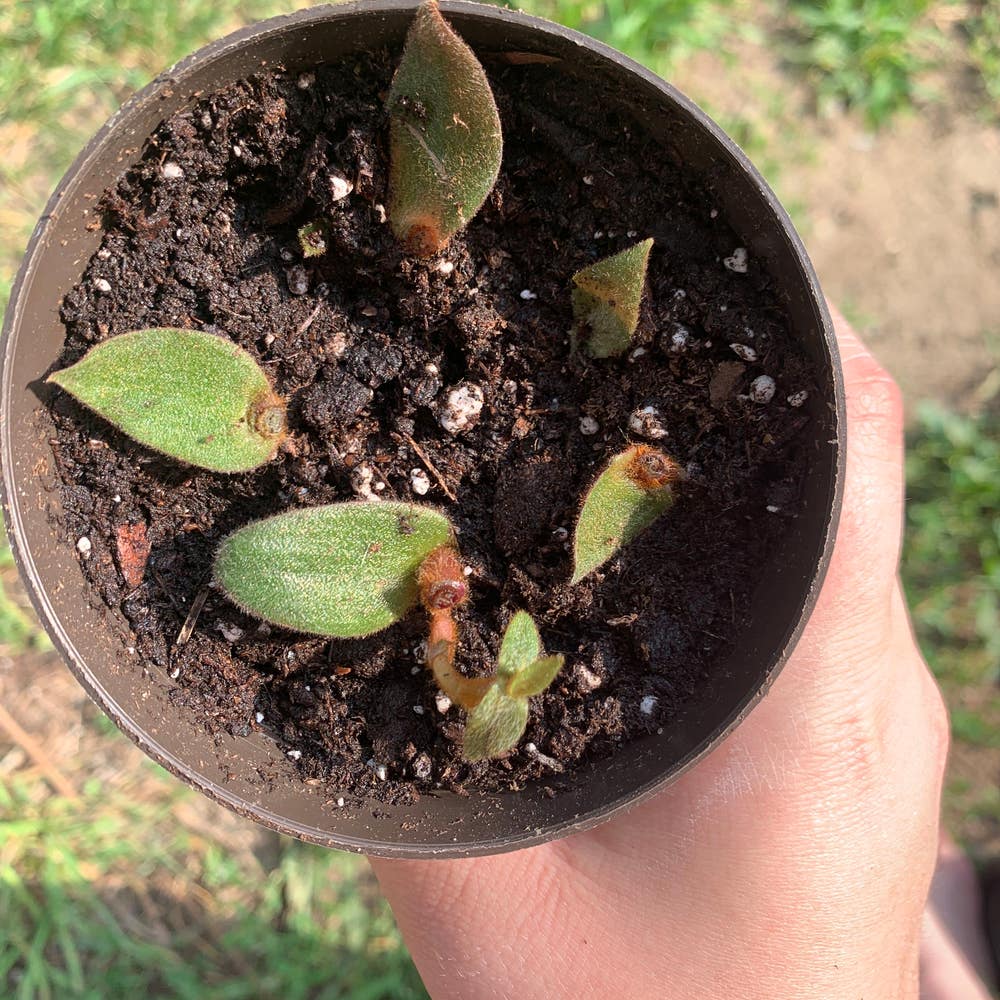
🧸 Why Are My Teddy Bear Vine Leaves Mushy?
Cyanotis beddomei
By the Greg Editorial Team
Jun 18, 2024•4 min read
This article was created with the help of AI so we can cover more plants for you. May contain errors. See one? Report it here.
Rescue your Teddy Bear Vine from overwatering mishaps with these life-saving care tips! 🚑🌿
- Overwatering signs: Soggy soil, limp stems, and mushy leaves.
- Root rot treatment: Prune roots, repot in fresh soil, use fungicide.
- Ideal care: Well-draining soil, dry topsoil before watering, stable temps.
Spotting Trouble: Signs Your Teddy Bear Vine is Too Wet
🚱 Telltale Symptoms of Overwatering
Soggy soil and leaves that feel like yesterday's salad are dead giveaways your Teddy Bear Vine is drowning in affection. When the soil clings to your fingers with a desperation usually reserved for cliffhangers, you've got overwatering on your hands. Limp stems join the pity party, signaling distress below the surface. If your plant's pot feels like it's been doing bicep curls, it's waterlogged and needs a break from the drink.
🦠 Root Rot: The Silent Leaf Killer
Root rot sneaks up like a ninja in the night, often going unnoticed until your vine's leaves turn to mush. This stealthy assailant thrives in the dank confines of overwatered soil. If you unearth roots that are more brown and slimy than a swamp monster's handshake, it's time for an intervention. Foul odor? That's the calling card of root rot, and it means your plant's foundation is crumbling.

First Aid for Your Soggy Plant
🌊 Rescuing Overwatered Teddy Bear Vines
If your Teddy Bear Vine has taken a dive into the deep end, stop watering immediately. Let the soil channel its inner desert, drying out thoroughly. Next, slip the plant out of its pot. If it's a soggy mess, it's time for a pot intervention—make sure your next one has drainage holes to prevent future drownings.
💀 Bouncing Back from Root Rot
Root rot is the plant equivalent of a bad cold that went chest-deep. Inspect the roots: if they're brown and mushy, it's time for some root-pruning surgery. After the bad bits are gone, give the plant a fresh start in new soil, like moving it from a dingy basement to a penthouse suite. Keep a close eye on your patient—no more overzealous watering.
🍄 Fighting Off Fungal Foes
Fungus among us? If you spot signs of a fungal invasion, it's time to bring out the big guns—a spray-on fungicide. Treat the plant and its soil, and don't forget to disinfect the pot. It's like giving your plant a flu shot and a clean house all at once. Remember, the goal is to create a hostile environment for the fungi, not your plant.

Repotting: A Fresh Start for Waterlogged Roots
🔍 Inspecting and Treating the Roots
Before you give your Teddy Bear Vine a new home, inspect the roots like a detective at a crime scene. Gently remove the plant from its pot and shake off the old soil. Healthy roots are the color of fresh cream; if they're brown and mushy, it's time for some surgical precision. Snip away the rotten parts with clean, sharp scissors. Remember, you're on a rescue mission, not a rampage—be as gentle as possible.
🌱 Choosing the Right Soil and Pot
Selecting the right pot and soil for your Teddy Bear Vine is like choosing the perfect mattress for a good night's sleep. The pot should be a size up from the old one, but not so big that your plant drowns in soil. Drainage holes are non-negotiable—unless you fancy creating a mini bog. As for the soil, think 'well-draining mix.' It's the plant equivalent of breathable fabric, allowing roots to access both air and moisture without getting waterlogged. When you repot, give your plant a thorough watering to help it settle in, but don't turn it into a swamp creature. Keep the watering can at bay until the soil is just dry enough to welcome a drink.

Keeping Your Teddy Bear Vine Happy and Healthy
💧 Perfecting Your Watering Technique
The key to firm leaves on your Teddy Bear Vine is a watering schedule that's just right. Overwatering leads to mush, while underwatering leaves your plant thirsting for more. Here's the deal: water when the top inch of soil feels dry. During the growing season, that's likely every 9 days for a 5" pot, but always check first—no assumptions. In winter, ease up. Your plant's drinking less with the shorter days.
🌿 Creating the Ideal Home Environment
Your Teddy Bear Vine craves stability. Think steady temperatures between 15-27°C, with no sudden drops to keep it from freaking out. Bright, indirect light is its jam, but direct sunlight? That's a no-go. Humidity's a bit trickier. Aim for a moist, but not tropical, vibe. Group plants together, mist the leaves, or use a pebble tray to up the humidity without making it rain. Remember, consistency is your friend here—no wild swings or extremes. Keep it chill, and your vine will thank you.
⚠️ Safety First
This content is for general information and may contain errors, omissions, or outdated details. It is not medical, veterinary advice, or an endorsement of therapeutic claims.
Always consult a qualified healthcare professional before using any plant as food, medicine, or supplement.
Never eat any plant (or feed one to pets) without confirming its identity with at least two trusted sources.
If you suspect poisoning, call Poison Control (800) 222-1222, the Pet Poison Helpline (800) 213-6680, or your local emergency service immediately.
Spotted an error? Please report it here.
Ensure your Teddy Bear Vine stays lush 🧸 and healthy with Greg's personalized watering reminders, helping you avoid overwatering and root rot from the start.