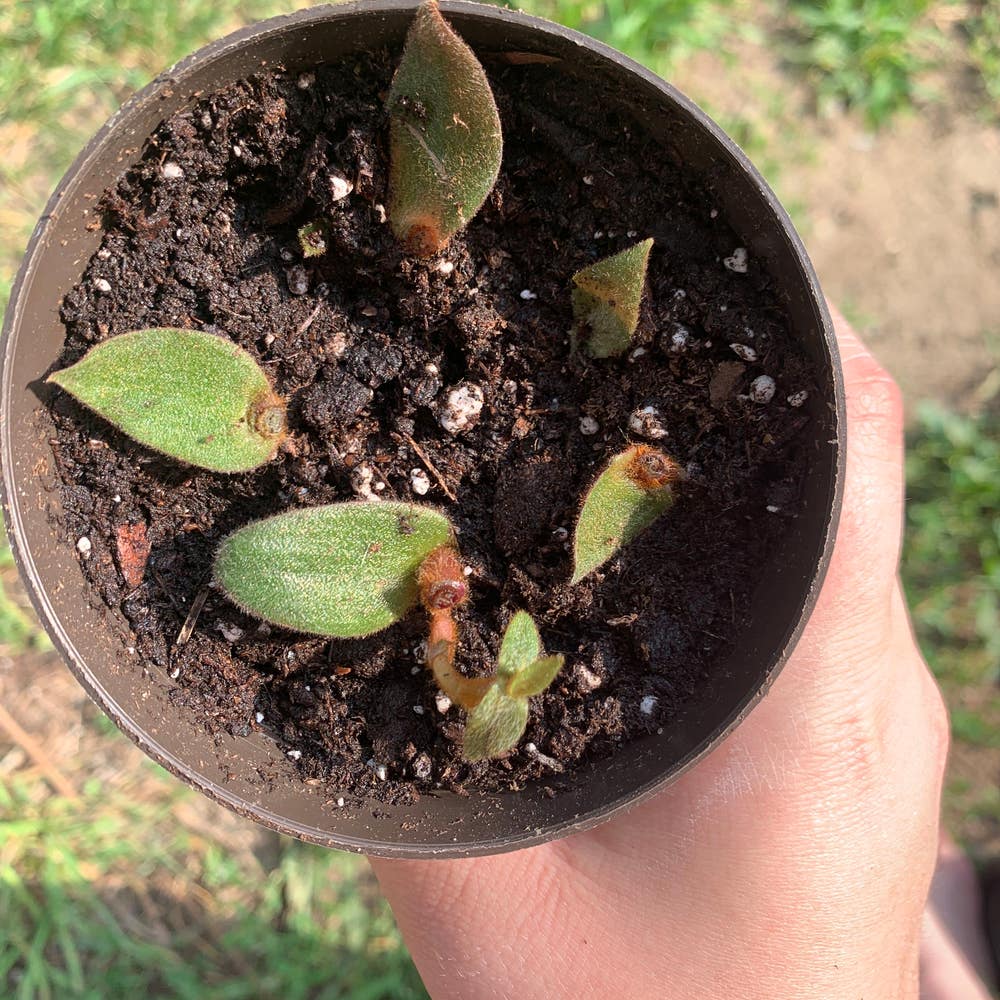
🐻 Ultimate Guide to Indoor Teddy Bear Vine Care
Cyanotis beddomei
By the Greg Editorial Team
Nov 07, 2024•7 min read
This article was created with the help of AI so we can cover more plants for you. May contain errors. See one? Report it here.
Unlock the secret to a thriving Teddy Bear Vine with essential care tips for light, water, and growth! 🌿
- 🌞 Teddy Bear Vines thrive in bright, indirect sunlight; low light slows growth.
- 💧 Water when the top inch of soil is dry; adjust frequency in growing season.
- 🌿 Maintain humidity between 50-70% to prevent brown tips and leaf drop.
Light Requirements
Ideal Light Conditions 🌞
For your indoor Teddy Bear Vine, bright, indirect sunlight is the golden ticket to optimal growth. While it can survive in low light, be prepared for a slowdown in growth—your plant thrives on that bright energy!
Role of Grow Lights 💡
When natural light falls short, supplemental grow lights become essential for indoor gardening. These lights not only enhance growth but also promote healthier foliage, ensuring your vine remains vibrant and lush.
Choosing the Best Grow Light 🛠️
Selecting the right grow light can make all the difference.
Types of Grow Lights
You’ll typically choose between LED and fluorescent lights. LEDs are energy-efficient and long-lasting, while fluorescents are often more affordable upfront.
Recommended Light Spectrum
Opt for full spectrum lights to provide balanced growth. This spectrum mimics natural sunlight, giving your plant the best chance to flourish indoors.
Placement Tips
Position your grow lights 12-24 inches above your plant. This distance helps prevent leaf burn while ensuring your Teddy Bear Vine gets the light it craves.
With the right light conditions, your Teddy Bear Vine will thrive, setting the stage for the next crucial aspect of its care: watering needs.
Watering Needs
🌊 Frequency of Watering
To keep your Teddy Bear Vine thriving, water it when the top inch of soil feels dry. During the growing season, typically spring and summer, you’ll need to increase your watering frequency to match the plant's active growth.
🚫 Signs of Overwatering and Underwatering
Recognizing the signs of overwatering is crucial. If you notice yellowing leaves, wilting, or root rot, it’s likely your plant is getting too much water. Conversely, if the leaves are drooping, the soil feels dry, or you see leaf drop, your vine may be underwatered.
💧 Best Practices for Watering
When watering, aim to thoroughly soak the soil until water drains from the bottom of the pot. For more precise moisture management, consider using moisture meters to assess the soil's hydration levels accurately.
By mastering these watering techniques, you’ll set your Teddy Bear Vine up for success. Next, let’s explore how humidity and temperature play a vital role in its overall health.
Humidity and Temperature
🌫️ Ideal Humidity Levels
Maintaining the right humidity is crucial for your Teddy Bear Vine's health. Aim for a humidity level between 50-70% to promote optimal growth.
Low humidity can lead to noticeable issues, such as brown leaf tips and leaf drop. Keeping an eye on these signs can help you adjust conditions before serious damage occurs.
🌡️ Temperature Range
The ideal temperature for your vine falls between 20°C to 30°C (68°F to 86°F). This range supports vibrant growth and overall plant vitality.
Your Teddy Bear Vine can tolerate brief temperature drops to around 15°C (59°F). However, prolonged exposure to cooler temperatures can hinder its growth.
💧 Tips for Humidity Control
To maintain ideal humidity levels, consider using humidifiers, pebble trays, or simply grouping your plants together. These methods can create a more humid microenvironment.
Monitoring humidity levels is essential. Invest in a hygrometer for accurate readings, ensuring your plant thrives in the best possible conditions.
With the right humidity and temperature, your Teddy Bear Vine will flourish, setting the stage for the next section on soil and fertilization.
Soil and Fertilization
🌱 Recommended Soil Types
For your indoor Teddy Bear Vine, the right soil is crucial. Opt for a well-draining potting mix enriched with organic matter to promote healthy growth.
The ideal pH level for the soil should be slightly acidic to neutral, ranging from 6.0 to 7.0. This balance ensures that your plant can absorb nutrients effectively.
📅 Fertilization Schedule
Fertilizing your Teddy Bear Vine is essential for vibrant growth. Aim to fertilize every 4-6 weeks during the growing season to keep your plant thriving.
Use a balanced NPK fertilizer or liquid plant food to provide the necessary nutrients. This approach will help maintain lush foliage and robust growth.
⚠️ Signs of Nutrient Deficiency
Keep an eye on your plant for signs of nutrient deficiency. Yellowing leaves often indicate a nitrogen deficiency, while browning leaf edges can signal a lack of potassium.
If you notice these symptoms, consider adjusting your fertilization schedule or adding soil amendments. Addressing these issues promptly will help your Teddy Bear Vine flourish.
With the right soil and fertilization practices, your indoor Teddy Bear Vine will thrive beautifully. Next, let’s explore common issues and solutions to ensure your plant remains healthy and vibrant.
Common Issues and Solutions
🐛 Pests and Prevention
Indoor Teddy Bear Vines can attract pests like spider mites, aphids, and mealybugs. Regular inspections are crucial; check the undersides of leaves and stems for any signs of infestation.
To prevent these pests, maintain the overall health of your plant. Healthy plants are less susceptible to infestations, so ensure they receive proper light, water, and nutrients.
🦠 Common Diseases and Treatments
Root rot is a significant concern for indoor plants, including the Teddy Bear Vine. Symptoms include yellowing leaves and a mushy root system, often caused by overwatering.
To prevent root rot, ensure your pot has drainage holes and allow the soil to dry out between waterings. If you notice root rot, remove the affected roots and repot the plant in fresh, dry soil.
Another common issue is powdery mildew, which appears as a white, powdery substance on leaves. This fungal disease thrives in high humidity and poor air circulation.
To treat powdery mildew, improve air circulation around the plant and apply a fungicide if necessary. Regularly inspect your plant to catch these issues early.
🛠️ Troubleshooting Growth Issues
If your Teddy Bear Vine is experiencing slow growth, several factors could be at play. Insufficient light, improper watering, or nutrient deficiencies can all contribute to this issue.
Adjust your care routine by ensuring adequate light and water, and consider fertilizing if you suspect nutrient deficiencies.
Leaf drop can also be a sign of stress. Factors like sudden temperature changes or overwatering can cause leaves to fall off.
Identify the stressor and make necessary adjustments to help your plant recover. Regular monitoring and a proactive approach will keep your Teddy Bear Vine thriving.
With these tips, you can tackle common issues head-on and ensure your indoor Teddy Bear Vine remains healthy and vibrant. Next, let’s explore the best placement and maintenance practices to keep your plant looking its best.
Placement and Maintenance
🌍 Best Locations in the Home
Finding the right spot for your indoor Teddy Bear Vine is crucial for its health. Aim to place it near windows that receive bright, indirect sunlight, ensuring it gets the light it craves without the harshness of direct rays.
Avoid placing your vine in areas prone to drafts or extreme temperature fluctuations. Consistent conditions will help your plant thrive and prevent stress.
🧼 Tips for Maintaining Appearance
To keep your Teddy Bear Vine looking its best, regular cleaning is essential. Wipe the leaves gently to remove dust, which enhances photosynthesis and keeps the plant vibrant.
As your vine grows, monitor its development and adjust any support structures as needed. This proactive approach helps maintain its shape and encourages healthy growth.
✂️ Pruning and Training Techniques
Pruning is a key technique to encourage bushiness in your Teddy Bear Vine. Pinching back growth not only promotes a fuller appearance but also stimulates new shoots.
For training your vine, consider using trellises or stakes. These supports guide the plant's growth direction and help it climb, adding an attractive vertical element to your indoor space.
With the right placement and maintenance strategies, your Teddy Bear Vine will flourish, bringing life and beauty to your home. Next, let’s explore common issues and solutions to keep your plant healthy and thriving.
⚠️ Safety First
This content is for general information and may contain errors, omissions, or outdated details. It is not medical, veterinary advice, or an endorsement of therapeutic claims.
Always consult a qualified healthcare professional before using any plant as food, medicine, or supplement.
Never eat any plant (or feed one to pets) without confirming its identity with at least two trusted sources.
If you suspect poisoning, call Poison Control (800) 222-1222, the Pet Poison Helpline (800) 213-6680, or your local emergency service immediately.
Spotted an error? Please report it here.
Nurture your indoor Teddy Bear Vine to lush perfection 🌱 with Greg's tailored watering alerts and light tips that ensure your plant thrives in its ideal environment!