🧸 How Long a Teddy Bear Vine Lives
Cyanotis beddomei
By the Greg Editorial Team
Nov 07, 2024•7 min read
This article was created with the help of AI so we can cover more plants for you. May contain errors. See one? Report it here.
Nurture your Teddy Bear Vine 🌱 through its fascinating life cycle stages for vibrant growth and blooms! 🌼
- 🌱 Teddy Bear Vine germinates in 7-14 days with proper temperature and moisture.
- 🌞 Optimal growth requires indirect sunlight and well-draining soil for healthy development.
- 🌼 Maturity takes 1-2 years, with flowering in late summer and self-pollination.
Germination Stage
🌱 Duration of Germination
Germination is a crucial first step in the life of a Teddy Bear Vine, typically taking 7 to 14 days. Several factors influence how quickly seeds sprout, including temperature, moisture levels, and the quality of the seeds themselves.
🌡️ Conditions for Successful Germination
To ensure successful germination, aim for an ideal temperature range of 20°C to 25°C (68°F to 77°F).
Soil Requirements
The soil should be well-draining and moist, with a pH between 6.0 and 7.0. This balance helps create an environment conducive to sprouting.
Light Exposure
Providing indirect sunlight is essential to prevent seed desiccation. Too much direct light can dry out the seeds before they have a chance to germinate.
By understanding these key aspects of the germination stage, you can set your Teddy Bear Vine on the path to healthy growth. Next, we’ll explore the seedling stage, where the plant begins to take shape and develop its unique characteristics.
Seedling Stage
Duration of Seedling Growth 🌱
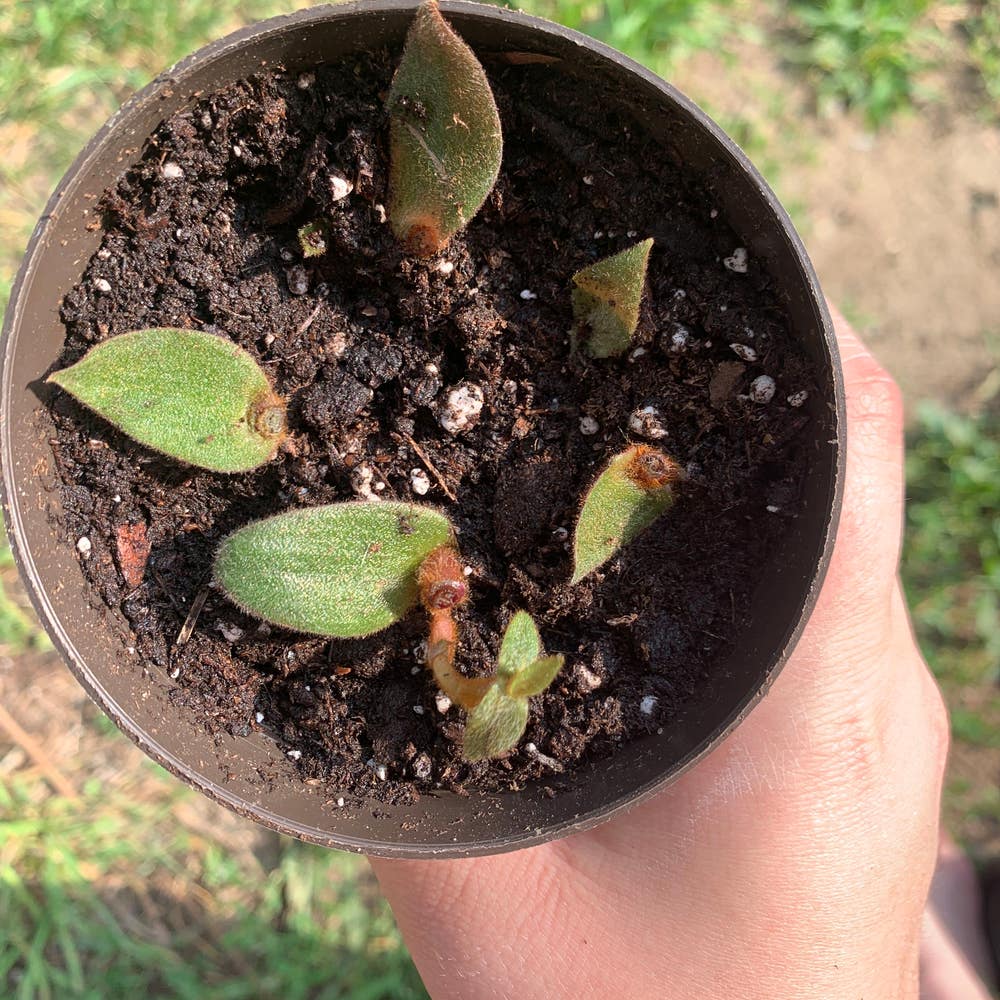
The seedling stage is a crucial period for the Teddy Bear Vine, typically lasting 4 to 6 weeks. During this time, the plant develops its true leaves, marking a significant step in its growth journey.
Characteristics of Seedlings 🌿
Initially, seedlings showcase cotyledons, which are the first leaves to emerge. Following these, you'll notice fuzzy true leaves that give the plant its unique texture.
Growth Habit
Teddy Bear Vine seedlings grow upright, often reaching for support as they develop. This climbing habit is essential for their future growth, allowing them to thrive in their environment.
Watering Needs
Maintaining consistent moisture is vital during this stage. However, be cautious to avoid waterlogging, as excess moisture can hinder growth and lead to root issues.
As the seedlings mature, they set the stage for the next growth phase, where they will continue to flourish and adapt. Understanding these early stages is key to nurturing a healthy Teddy Bear Vine.
Vegetative Growth Stage
🌱 Duration of Vegetative Growth
The vegetative growth stage of the teddy bear vine lasts approximately 3 to 6 months. This duration can vary significantly based on environmental conditions such as temperature and light availability.
📈 Changes in Plant Structure and Health
During this stage, the plant experiences rapid growth, often reaching several feet in height. As it climbs, it will require support structures to thrive.
🍃 Leaf Development
Leaf size and density increase dramatically, which enhances the plant's ability to photosynthesize effectively. Healthy plants typically display dark green leaves, while yellowing leaves can signal nutrient deficiencies.
🔍 Health Indicators
Monitoring the color and size of leaves is crucial for assessing plant health. Dark green foliage indicates robust growth, while any signs of yellowing should prompt a review of care practices.
This stage is vital for the overall development of the teddy bear vine, setting the foundation for the flowering phase that follows. As the plant matures, understanding its needs will help ensure a successful transition to the next growth stage.
Flowering Stage
Duration of Flowering 🌼
The flowering stage of the Teddy Bear vine typically lasts between 2 to 4 weeks. This vibrant period usually occurs in late summer to early fall, marking a crucial phase in the plant's life cycle.
Description of Flowers and Pollination 🌸
During flowering, the vine produces small, attractive flowers that can be white or pale yellow. These blooms are not just pretty; they play a vital role in the plant's reproduction.
Pollination primarily occurs through self-pollination, but the flowers also attract helpful pollinators like bees. This interaction is essential as it initiates the reproductive cycle, leading to seed production.
Understanding the flowering stage is key to appreciating the full life cycle of the Teddy Bear vine. As the flowers bloom, they set the stage for the next exciting phase: seed production.
Seed Production Stage
🌱 Duration of Seed Production
After flowering, the teddy bear vine enters the seed production stage, which typically lasts 4-6 weeks. This timeframe is crucial as it allows the plant to transition from blooming to producing seeds that will ensure its continuation.
🌼 Process of Seed Formation and Dispersal
During this stage, the plant develops small, fuzzy seeds nestled within flower pods. These seeds are not just cute; they play a vital role in the plant's lifecycle.
Dispersal Methods
The teddy bear vine employs wind and water as natural allies in seed dispersal. This method helps spread the seeds to new locations, increasing the chances of germination in suitable environments.
Lifespan of Seeds
Once formed, these seeds can remain viable for several years if stored properly. This longevity is a testament to the plant's resilience and adaptability, ensuring that it can thrive even in changing conditions.
As the teddy bear vine completes its seed production, it sets the stage for the next phase of its life cycle. Understanding this process not only highlights the plant's reproductive strategies but also prepares us for the exciting growth stages that follow.
Growth Rate and Maturation
How Long Until Fully Grown? 🌱
The teddy bear vine typically reaches full maturity in about 1 to 2 years when grown under optimal conditions. This timeframe allows the plant to develop its full potential, showcasing its lush foliage and climbing abilities.
Factors Affecting Growth Rate 🌿
Several factors can influence the growth rate of your teddy bear vine.
- Environmental Conditions: Temperature, humidity, and light availability play crucial roles in how quickly the plant grows.
- Soil Quality: Nutrient-rich, well-draining soil is essential for promoting faster growth.
- Watering Practices: Consistent moisture is vital; too much or too little can hinder development.
Comparison of Growth Rates in Different Conditions 📊
The growth rate of the teddy bear vine can vary significantly based on its environment.
- Optimal Conditions: When conditions are just right, the vine can grow rapidly, reaching up to 10 feet in a single season.
- Suboptimal Conditions: Conversely, if the environment is less than ideal, growth may slow down, leading to potential stunting.
Understanding these factors can help you create the best possible environment for your teddy bear vine, ensuring it thrives and flourishes. As you nurture your plant, keep an eye on these elements to support its growth journey.
Notable Changes Throughout Life
🌱 Physical Changes During Each Growth Stage
The life cycle of a Teddy Bear Vine is marked by distinct physical transformations. During germination, the seed transitions into a seedling, showcasing its first leaves, known as cotyledons.
As the plant enters the seedling stage, it begins to develop a climbing habit, with leaves growing larger and fuzzier. This upward growth is essential for the vine's support as it matures.
In the vegetative stage, the vine can experience a significant height increase, often reaching several feet. The leaf density also increases, enhancing the plant's ability to photosynthesize effectively.
Finally, during the flowering stage, small, attractive flowers emerge, leading to the formation of seed pods. This marks a crucial point in the plant's life cycle, as it prepares for reproduction.
🌿 Changes in Care Needs as the Plant Matures
As the Teddy Bear Vine grows, its care requirements evolve. Initially, watering is crucial, but as the plant matures, the frequency of watering should be adjusted based on its growth stage and environmental conditions.
Nutrient needs also change over time. During the vegetative growth and flowering stages, the plant benefits from increased fertilization to support its rapid development and blooming.
🌍 Environmental Adaptations Over the Plant's Life Cycle
The Teddy Bear Vine exhibits remarkable adaptability throughout its life cycle. As it matures, it develops tendrils that help it climb and secure itself to nearby structures, showcasing its natural inclination for support.
Moreover, the vine demonstrates resilience by adapting to varying light and moisture levels. This ability to thrive in different environments ensures its survival and growth, making it a fascinating plant to cultivate.
With these notable changes in mind, understanding the Teddy Bear Vine's life cycle can enhance your gardening experience and help you provide the best care possible. Next, we will explore the growth rate and maturation of this delightful vine.
⚠️ Safety First
This content is for general information and may contain errors, omissions, or outdated details. It is not medical, veterinary advice, or an endorsement of therapeutic claims.
Always consult a qualified healthcare professional before using any plant as food, medicine, or supplement.
Never eat any plant (or feed one to pets) without confirming its identity with at least two trusted sources.
If you suspect poisoning, call Poison Control (800) 222-1222, the Pet Poison Helpline (800) 213-6680, or your local emergency service immediately.
Spotted an error? Please report it here.
Nurture your Teddy Bear Vine from seed to bloom with Greg's personalized care reminders 🌿, ensuring it thrives beautifully throughout its life cycle!