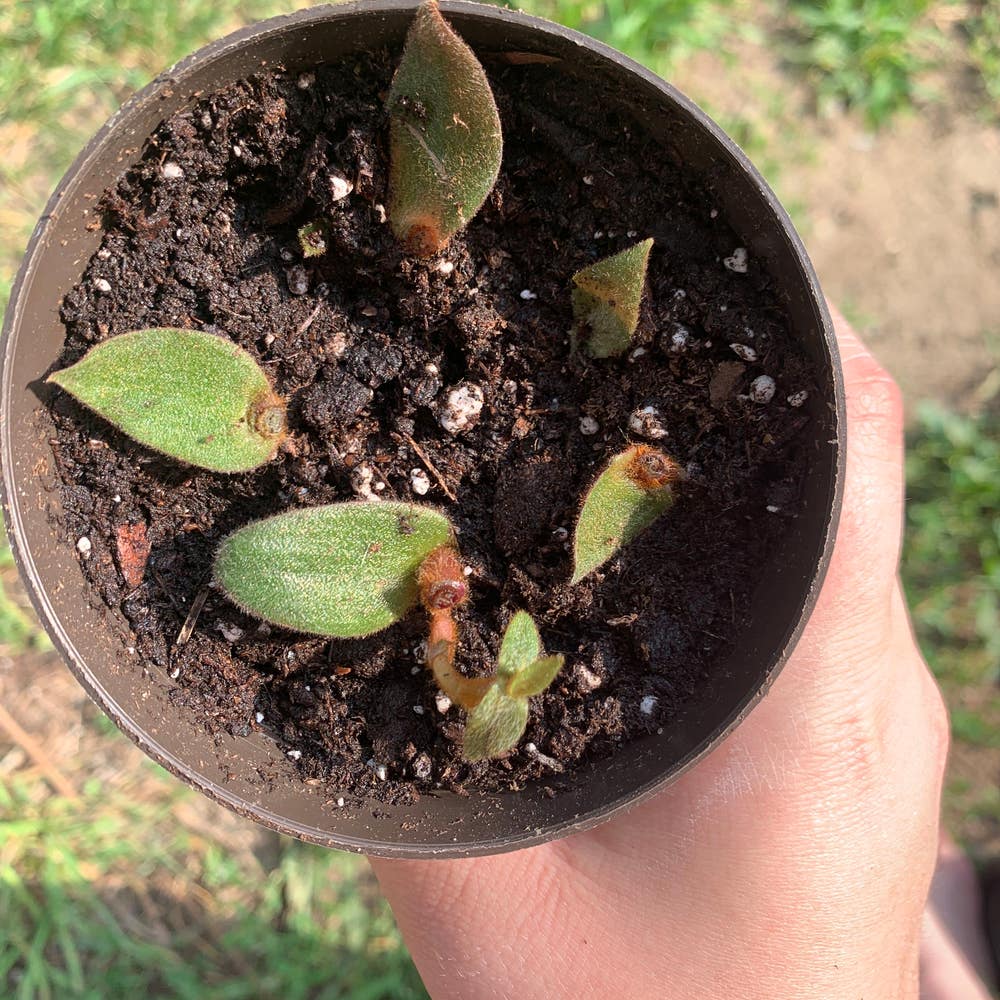
7 Tips for How to Plant Your Teddy Bear Vine 🧸
Cyanotis beddomei
By the Greg Editorial Team
Nov 07, 2024•5 min read
This article was created with the help of AI so we can cover more plants for you. May contain errors. See one? Report it here.
Transform your garden with expert tips on planting vs. transplanting Teddy Bear Vines! 🌱🌼
- 🌱 Plant Teddy Bear Vines in spring for optimal growth after the last frost.
- 🏺 Use well-draining soil and containers with drainage holes to prevent waterlogging.
- 🌞 Acclimatize indoor vines gradually to outdoor conditions for a smoother transition.
Planting vs. Transplanting Teddy Bear Vine
When it comes to growing your Teddy Bear Vine, understanding the difference between planting new vines and transplanting established ones is crucial. Each method has its own set of considerations that can impact your gardening success.
🌱 Key Considerations
Cost and Time to Maturity
Planting new Teddy Bear Vines typically involves lower initial costs and a straightforward growth process. However, they require time to establish, often taking longer to reach maturity compared to established plants.
Adaptability to Local Conditions
Transplanting established vines can be advantageous as they are already acclimated to your local environment. This can lead to quicker growth and flowering, making it a preferred choice for many gardeners looking to enhance their garden quickly.
In summary, whether you choose to plant new vines or transplant established ones depends on your gardening goals, budget, and timeline. Each approach has its merits, so consider what aligns best with your gardening aspirations.
Planting New Teddy Bear Vine
🌱 Optimal Timing for Planting
Spring is the prime time to plant your Teddy Bear Vine, specifically after the last frost date. This timing aligns with the plant's active growth period, ensuring optimal establishment and a vibrant start.
🪴 Selecting the Right Soil Mix and Containers
For your Teddy Bear Vine, a well-draining soil mix is essential. A blend of potting soil and perlite works wonders, allowing for proper aeration and moisture retention.
When it comes to containers, choose one that is at least 12 inches in diameter. Ensure it has drainage holes to prevent waterlogging, which can harm the roots.
📏 Proper Depth and Spacing for Planting
Plant your Teddy Bear Vine at the same depth it was in its nursery container. This consistency helps the plant acclimate and thrive.
For spacing, aim for 12-18 inches apart. This distance promotes optimal air circulation and growth, allowing each vine to flourish without overcrowding.
☀️ Maintaining Ideal Growing Conditions
Teddy Bear Vines thrive in partial shade to full sun, depending on your local climate. Understanding your environment will help you provide the best light conditions.
Temperature is another crucial factor; aim for a range of 65°F to 85°F (18°C to 29°C). Regularly check soil moisture to maintain consistent moisture without waterlogging.
🌳 Hardening Off Process Before Outdoor Planting
Before moving your indoor Teddy Bear Vine outdoors, it's vital to acclimatize it to its new environment. This hardening off process should take about 7-10 days.
Start by exposing the plant to outdoor conditions for 1-2 hours in a sheltered area. Gradually increase this exposure time each day, and keep an eye out for any signs of stress, like wilting or sunburn.
With these tips, your Teddy Bear Vine will be well on its way to thriving in its new home. Next, we’ll explore how to transplant established Teddy Bear Vines for continued growth and success.
Transplanting Established Teddy Bear Vine
🌱 Optimal Timing for Transplanting
Transplanting your Teddy Bear Vine is best done in early spring or fall when temperatures are mild. Timing is crucial; aim to transplant during the plant's dormant or active growth phase to minimize stress on the plant.
🛠️ Step-by-Step Instructions for Transplanting
Removing the Plant from Its Current Location
- Water the plant a day before you plan to transplant. This helps reduce stress on the roots.
- Carefully dig around the root zone, ensuring you keep as much soil attached as possible.
- Gently lift the plant from the ground, taking care not to damage the roots.
Preparing the New Planting Site
- Select a location that offers suitable light and soil conditions for your Teddy Bear Vine.
- If needed, amend the soil to ensure it has good drainage.
- Dig a hole that is twice the width of the root ball and the same depth to give the roots ample space.
Ensuring Proper Placement and Spacing
Position the plant by centering the root ball in the hole, ensuring it sits at the same depth as it was previously. Follow the same spacing guidelines as for new planting, keeping plants 12-18 inches apart to allow for optimal growth.
💧 Tips for Watering, Mulching, and Providing Support
After transplanting, thoroughly water the plant to help it settle in. Apply a 2-3 inch layer of organic mulch around the base to retain moisture and suppress weeds. If your Teddy Bear Vine is a climbing variety, consider using trellises or stakes for support.
Transplanting can be a rewarding experience, allowing your Teddy Bear Vine to thrive in a new environment. With the right timing and care, your plant will flourish and bring beauty to your garden. Next, let’s explore troubleshooting common issues that may arise during the establishment phase.
Troubleshooting Common Issues
🥴 Understanding Transplant Shock
Transplant shock can be a real bummer for your Teddy Bear Vine. Symptoms include wilting, yellowing leaves, and stunted growth, all signs that your plant is struggling to adjust.
The root causes often stem from disruptions in the root system and sudden changes in environmental conditions. This stress can be particularly pronounced if the transplanting process wasn't handled with care.
🛠️ Solutions for Establishment Problems
To help your plant bounce back, start with watering adjustments. Ensure the soil remains consistently moist but avoid overwatering, which can lead to root rot.
Fertilization is another key factor. A balanced fertilizer can provide the nutrients your Teddy Bear Vine needs to recover and thrive in its new environment.
🚨 Other Common Issues and Their Remedies
Leaf drop can be alarming, but it often indicates environmental stressors. Check for issues related to temperature or light exposure that might be affecting your plant.
Pest problems can also arise, so regular inspections are crucial. Look out for pests like aphids or spider mites, and consider using organic pest control methods to keep your Teddy Bear Vine healthy and happy.
By addressing these common issues, you can ensure your Teddy Bear Vine thrives in its new home. Next, let’s explore how to maintain those ideal growing conditions for optimal growth.
⚠️ Safety First
This content is for general information and may contain errors, omissions, or outdated details. It is not medical, veterinary advice, or an endorsement of therapeutic claims.
Always consult a qualified healthcare professional before using any plant as food, medicine, or supplement.
Never eat any plant (or feed one to pets) without confirming its identity with at least two trusted sources.
If you suspect poisoning, call Poison Control (800) 222-1222, the Pet Poison Helpline (800) 213-6680, or your local emergency service immediately.
Spotted an error? Please report it here.
Plant your Teddy Bear Vine with confidence 🌿 by using Greg's tailored care reminders and expert tips to help your vines flourish in any garden!