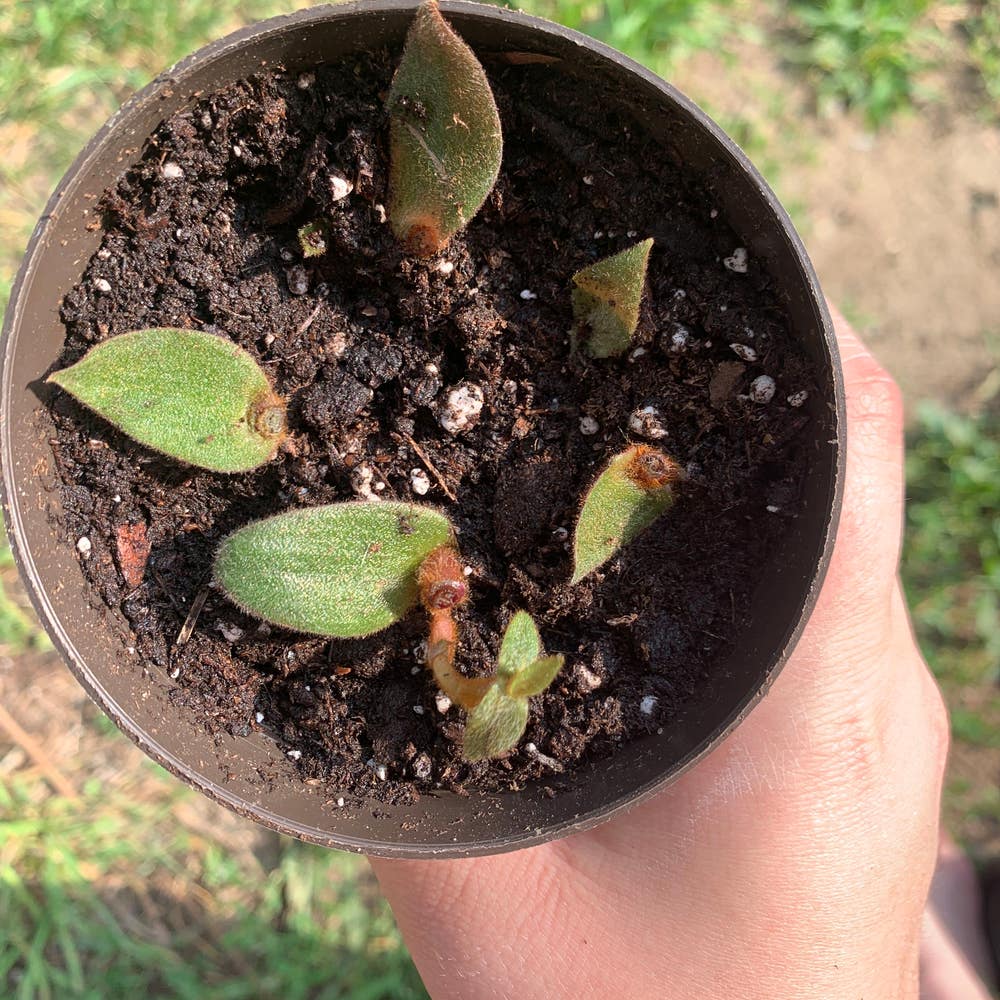
🧸 How to Propagate Your Teddy Bear Vine
Cyanotis beddomei
By the Greg Editorial Team
Jun 18, 2024•4 min read
This article was created with the help of AI so we can cover more plants for you. May contain errors. See one? Report it here.
Propagate your Teddy Bear Vine 🌿 and watch your green family flourish with these foolproof techniques! 🌱
- 🌱 Use transparent containers for water propagation, submerging only the nodes.
- 🌞 Propagate in early spring to align with the plant's natural growth cycle.
- 🌿 Choose well-draining soil and maintain moisture without overwatering for soil propagation.
Section

Dive into Water Propagation
💧 Setting Up for Success
To kick off water propagation, choose a transparent container like a mason jar to keep an eye on those developing roots. Fill it with room-temperature, chlorine-free water to avoid shocking your delicate cuttings. Position the cuttings so that only the nodes (the bumpy sections where leaves emerge) are submerged, ensuring the leaves stay dry to prevent rot.
🌊 Monitoring and Maintenance
Regularly change the water every few days to keep it fresh and oxygen-rich, staving off any fungal nightmares. Watch for roots to sprout—this is your green light for a future transplant. Roots should be robust and a few inches long before they're ready to move to soil; patience is your best friend here. If you see any discoloration or mushiness, it's time to intervene with fresh water and possibly a new container.

Planting in Soil: A Direct Approach
🌱 Soil Propagation Basics
Choosing the right soil mix and containers is crucial for your Teddy Bear Vine cuttings. A well-draining mix, such as a combination of potting soil, perlite, and vermiculite, ensures your plant babies have the best start.
Select a container with drainage holes to prevent waterlogging. When planting, make sure at least one node is buried in the soil—this is where the roots will emerge.
🌿 Encouraging Root Growth
Maintain a moist environment for your cuttings, akin to a moist handshake. Overwatering is a no-go; it's like giving your plants a one-way ticket to rot city.
Expect roots to show up in a few weeks. Patience is your best friend here. Keep the soil consistently damp and provide indirect light. If you're feeling fancy, a plastic bag over the pot can create a greenhouse effect, just don't forget those air holes.

Timing is Everything: When to Propagate
In the propagation game, timing isn't just a suggestion—it's the rule. Early spring is your golden ticket, offering your Teddy Bear Vine the full growing season to flourish.
🌱 Best Season for Propagation
Spring into action when the frost bids farewell. This season is the MVP for propagation, providing the perfect blend of increasing warmth and daylight that your cuttings crave for rooting success.
🔄 Plant's Growth Cycle
Understanding your vine's rhythm is key. During spring, the plant's growth cycle is in full swing, making it more receptive to rooting and establishing new growth. It's like catching the wave at just the right moment for the perfect surf.
⏰ Real-World Timing
Let's get real—propagation isn't instant gratification. It's a waiting game where patience pays off. Mark your calendar for late winter to early spring, and prepare to nurture your cuttings into a new generation of Teddy Bear Vines.
📅 Seasonal Considerations
Sure, you might get lucky with off-season propagation, but why gamble? Stick to the plant's natural cycle for a propagation party that ends with a garden full of thriving plants. Remember, the right timing can make or break your propagation success.
Troubleshooting Tips Along the Way
🌱 Addressing Common Issues
Root rot is the archenemy of propagation. If your Teddy Bear Vine cuttings turn mushy, you've likely been too generous with water. Snip the rotten part, dial back on the H2O, and give it another go.
Wilting could mean your plant is either too thirsty or too hot. If it's not dry soil, it might need a break from that sunny windowsill. Relocate to a spot with bright, indirect light and monitor the changes.
🛑 Quick Fixes to Common Problems
The Rot Stops Here
Root rot is a telltale sign of overwatering or poor drainage. If you spot it, remove the affected parts, let the healthy ones air out, and replant in fresh, well-draining soil. Pro tip: a dry plant is usually a happy plant.
Beating Non-Growth
If roots are shy to show up, reassess your lighting and temperature. They're the backstage crew setting the stage for growth. Too dim or too cold, and your cuttings won't perform.
Pest and Disease Management
Keep an eye out for uninvited guests like fungal diseases. Good airflow is your best defense. If you spot trouble, remove the affected areas and consider a fungicide. Cleanliness is non-negotiable—always sterilize your tools.
Recognizing the Need for Repotting
Wilting can also be a cry for more space. If it's not a water or heat issue, your cutting might be ready for a pot upgrade. More room means more growth.
Addressing Slow or No Growth
If your Teddy Bear Vine is more sloth than sprinter in the growth department, it might be craving more light. Bright, indirect sunlight is key. Adjust your setup and watch for improvements.
Pinpointing the Culprits Behind Droopy Leaves
Droopy leaves can signal overwatering or a need for repotting. Address these issues by adjusting your watering schedule and ensuring your plant has enough room to grow.
⚠️ Safety First
This content is for general information and may contain errors, omissions, or outdated details. It is not medical, veterinary advice, or an endorsement of therapeutic claims.
Always consult a qualified healthcare professional before using any plant as food, medicine, or supplement.
Never eat any plant (or feed one to pets) without confirming its identity with at least two trusted sources.
If you suspect poisoning, call Poison Control (800) 222-1222, the Pet Poison Helpline (800) 213-6680, or your local emergency service immediately.
Spotted an error? Please report it here.
Propagate your Teddy Bear Vine with confidence, knowing Greg's custom reminders 🌱 will guide you through water changes and soil moisture checks for perfect growth every time.