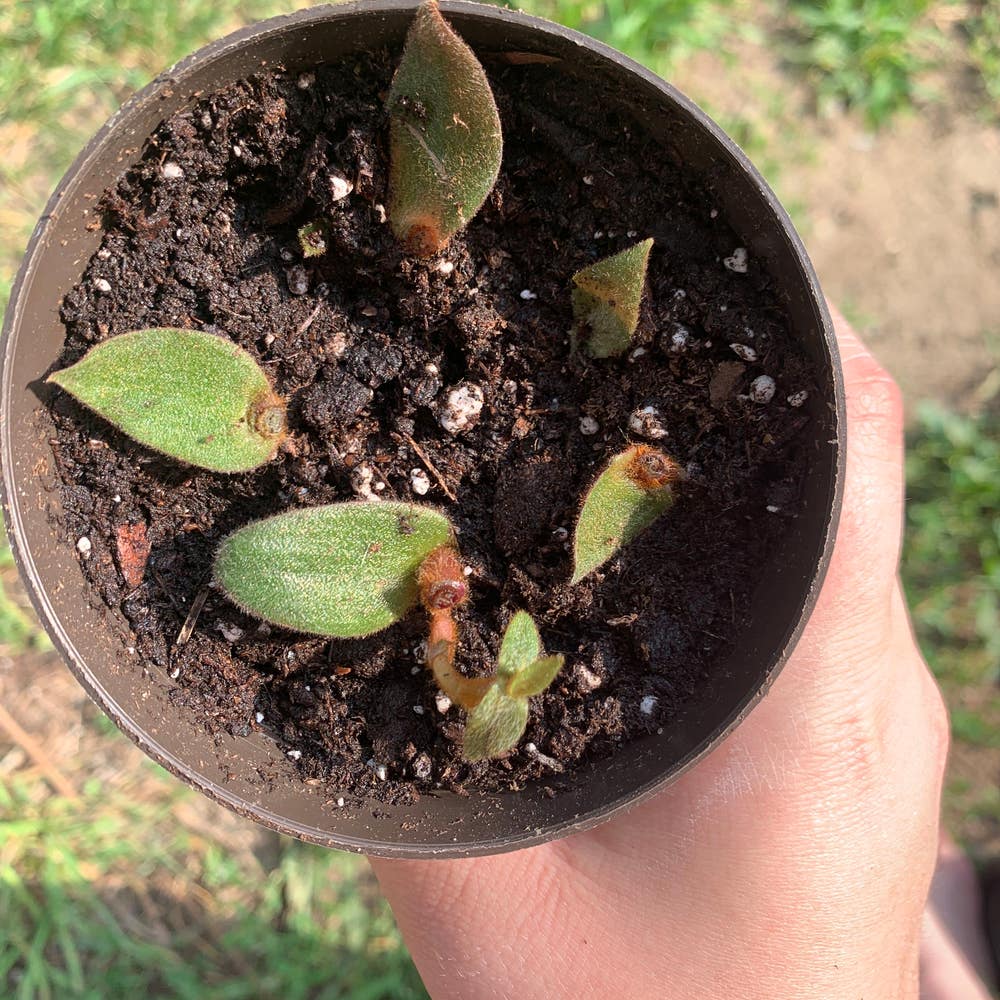
What It Means When Your Teddy Bear Vine Wilts 🐻
Cyanotis beddomei
By the Greg Editorial Team
Nov 07, 2024•6 min read
This article was created with the help of AI so we can cover more plants for you. May contain errors. See one? Report it here.
Revive your wilting Teddy Bear Vine 🌱 with these essential tips to tackle water and heat stress!
- 💧🌡️ Wilting in Teddy Bear Vines often results from water stress, heat, or disease.
- 🌱 Consistent moisture is key; overwatering causes mushy stems, while underwatering leads to dryness.
- 🌿🔍 Inspect roots and leaves regularly to diagnose issues and ensure plant health.
Common Causes of Wilting Leaves
💧 Water Stress
Water stress is a primary culprit behind wilting leaves.
Overwatering can lead to yellowing leaves and mushy stems, signaling that your plant is drowning.
Conversely, underwatering manifests as dry, crispy leaves and drooping stems, indicating your plant is parched.
Maintaining consistent moisture levels is crucial for the health of your Teddy Bear Vine.
🔥 Heat Stress
Heat stress can also wreak havoc on your plant's vitality.
High temperatures may cause leaves to curl or droop, a clear sign that your plant is struggling.
Look for leaf scorching and browning edges as additional indicators of heat stress.
The ideal temperature range for your Teddy Bear Vine is between 65°F to 85°F (18°C to 29°C).
🦠 Disease-Related Wilting
Disease-related wilting is less common but still a concern.
Pathogenic wilt can occur, though it's unlikely; keep an eye out for unusual symptoms.
Proper care is essential to prevent disease-related issues, ensuring your plant remains healthy and vibrant.
Understanding these common causes of wilting leaves will help you take proactive steps in caring for your Teddy Bear Vine.
Next, we’ll explore how to diagnose wilting effectively, so you can get to the root of the problem.
Diagnosing Wilting
🕵️♂️ Step-by-Step Guide to Diagnose Wilting
Diagnosing wilting in your Teddy Bear Vine starts with assessing soil moisture. Check the top inch of soil; if it feels dry, your plant may need water, while sogginess indicates overwatering.
Next, evaluate environmental conditions by measuring temperature and humidity levels. This will help you determine if the environment is suitable for your plant's health.
Inspect the leaves for any signs of pests or disease. Look closely for discoloration or unusual textures that could indicate underlying issues.
Finally, check for root health by gently removing the plant from its pot. Inspect the roots for rot or damage, as unhealthy roots can lead to wilting.
👀 Signs to Look for in Wilting Leaves
When diagnosing wilting, pay attention to leaf texture. Fuzzy leaves that appear limp or shriveled are often a sign of distress.
Color changes are also crucial indicators; yellowing or browning leaves may suggest stress from water or environmental issues.
Additionally, observe growth patterns. Stunted growth or a leggy appearance can signal that your plant is struggling and needs immediate attention.
By following these steps and recognizing these signs, you can effectively diagnose the cause of wilting in your Teddy Bear Vine. This proactive approach will help you take the necessary steps to revive your plant and ensure its health moving forward.
Solutions for Wilting Leaves
🌊 Addressing Water Stress
Water stress is a common culprit behind wilting leaves.
For overwatering, allow the soil to dry out completely before watering again. Ensure your pot has proper drainage to prevent water from pooling at the bottom.
Conversely, if your plant is underwatered, water it thoroughly, allowing excess water to drain out. You might also consider using the bottom watering technique, where you fill a tray with water and let the plant absorb moisture from below.
☀️ Addressing Heat Stress
Heat stress can quickly lead to wilting, especially during peak summer months.
To combat this, relocate your plant to a cooler, shaded area during the hottest parts of the day. This simple move can make a significant difference in your plant's health.
Additionally, consider increasing humidity around the plant. You can do this by using a humidity tray or misting the leaves to provide extra moisture.
🦠 Addressing Disease-Related Wilting
If wilting persists, it may be due to disease.
Start by removing affected leaves to prevent any potential spread of pathogens. This proactive step can help keep your plant healthy.
If necessary, treat the plant with appropriate fungicides. Consulting with a local nursery can provide you with tailored recommendations for your specific situation.
🌱 Techniques for Reviving a Wilted Plant
Reviving a wilted plant requires a few strategic techniques.
One effective method is the bottom watering technique. Fill a tray with water and place the pot in it for about 30 minutes. This allows the plant to absorb moisture from the bottom, which can be particularly beneficial for stressed plants.
You can also consider a temporary relocation to a more suitable environment with stable temperature and humidity. This can help your plant recover more effectively.
Lastly, don’t hesitate to prune damaged leaves. Use clean, sharp scissors to remove wilted or dead foliage, which can help redirect the plant's energy toward new growth.
With these solutions, you can tackle wilting leaves head-on and restore your Teddy Bear Vine to its vibrant self. Next, let’s explore preventive measures to minimize the risk of wilting in the future.
Preventive Measures
Best Practices to Minimize Wilting Risk 🌱
To keep your Teddy Bear Vine thriving, establish a regular watering schedule. Water the plant when the top inch of soil feels dry to the touch, ensuring it receives just the right amount of moisture.
Additionally, monitoring environmental conditions is crucial. Keep an eye on temperature and humidity levels to create a stable environment for your plant.
Environmental Conditions to Monitor 🌡️
Aim for ideal humidity levels between 40-60% relative humidity. This range helps your plant maintain its lush appearance and prevents wilting.
Also, be mindful of temperature fluctuations. Avoid placing your Teddy Bear Vine near drafts or heat sources, as these can stress the plant and lead to wilting.
By following these preventive measures, you can significantly reduce the risk of wilting in your Teddy Bear Vine. This proactive approach not only enhances plant health but also enriches your gardening experience.
Next, let’s explore when it’s time to seek help from local experts or online communities for your plant care challenges.
Seeking Help
When to Consult a Local Nursery or Plant Expert 🌱
If your Teddy Bear Vine continues to wilt despite your best care efforts, it might be time to seek professional advice. Persistent wilting can indicate underlying issues that require expert intervention, especially if you notice signs of disease or pest infestation.
Engaging with the Online Plant Care Community 🌍
Don’t underestimate the power of community support! Platforms like Greg offer a space to connect with fellow plant enthusiasts who can share valuable insights and solutions for your plant's specific issues.
Unique Characteristics 🌟
Teddy Bear Vines are particularly sensitive to environmental changes. Their thick, succulent leaves can quickly show distress when conditions aren't ideal, making it crucial to understand these characteristics for effective care.
By recognizing these traits, you can better anticipate your plant's needs and respond proactively.
As you navigate the challenges of plant care, remember that seeking help and engaging with others can lead to a healthier, happier Teddy Bear Vine.
⚠️ Safety First
This content is for general information and may contain errors, omissions, or outdated details. It is not medical, veterinary advice, or an endorsement of therapeutic claims.
Always consult a qualified healthcare professional before using any plant as food, medicine, or supplement.
Never eat any plant (or feed one to pets) without confirming its identity with at least two trusted sources.
If you suspect poisoning, call Poison Control (800) 222-1222, the Pet Poison Helpline (800) 213-6680, or your local emergency service immediately.
Spotted an error? Please report it here.
Revive your wilting Teddy Bear Vine and keep it thriving 🌿 with Greg's tailored watering reminders and supportive plant community to ensure it gets the care it needs!