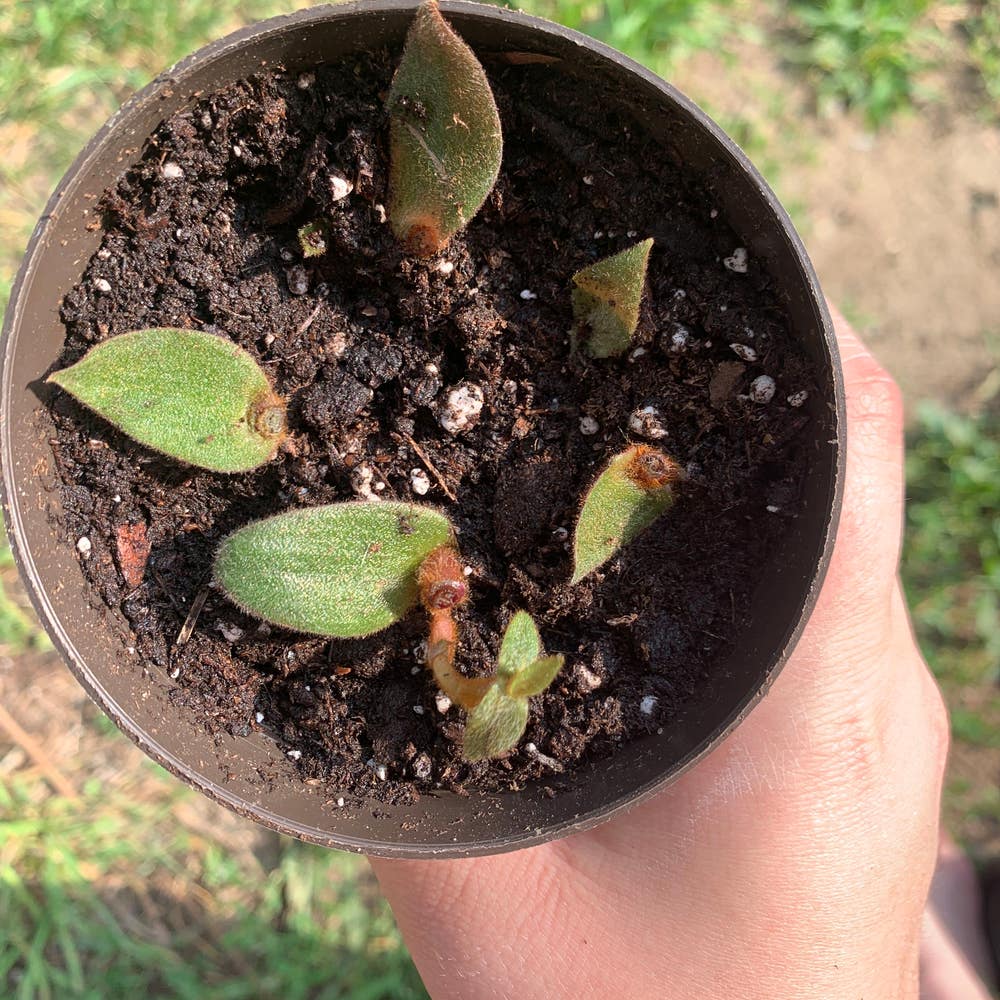
🧸 4 Tips for Healthy Teddy Bear Vine Roots
Cyanotis beddomei
By the Greg Editorial Team
Nov 07, 2024•8 min read
This article was created with the help of AI so we can cover more plants for you. May contain errors. See one? Report it here.
Master Teddy Bear Vine care by understanding its unique root system for vibrant growth! 🌱
- 🌱 Healthy Teddy Bear Vine roots are white and firm, indicating good nutrient absorption.
- 💧 Consistent moisture is vital; avoid overwatering to prevent root rot.
- 🌿 Transplant in spring or fall to minimize stress and promote healthy growth.
Characteristics of the Root System
🌱 Type and Significance
Teddy Bear Vine features a fibrous root system, which is crucial for efficient nutrient absorption. These roots spread out widely, allowing the plant to gather water and nutrients from a larger area compared to taproot systems.
Fibrous roots are particularly significant because they enhance the plant's stability and adaptability. Unlike deeper taproots, fibrous roots can quickly respond to changes in soil moisture and nutrient availability, making them ideal for various growing conditions.
🌍 Root Depth and Spread
Typically, the root depth of Teddy Bear Vine is shallow to moderate. This characteristic enables easy access to nutrients found near the surface of the soil.
Additionally, the extensive lateral growth of these roots allows the plant to thrive in diverse soil conditions. This adaptability is vital for ensuring the plant can access the resources it needs, regardless of its environment.
📈 Growth Patterns
Roots of the Teddy Bear Vine grow in response to environmental factors such as moisture levels and temperature. They tend to expand more during the growing season, seeking out nutrients and water.
Seasonal variations also impact root growth, with roots becoming more active in spring and summer. Understanding these patterns can help you optimize care for your plant, ensuring it remains healthy and vibrant throughout the year.
With a solid grasp of the root system's characteristics, you're better equipped to nurture your Teddy Bear Vine. Next, we'll explore how watering and fertilizing practices can further support root health.
Watering and Fertilizing
🌱 Impact of Root System on Watering Needs
The root system of the Teddy Bear Vine plays a crucial role in determining its watering needs. With a fibrous root structure, these plants require consistent moisture to thrive, but it's essential to avoid waterlogging, which can lead to root rot.
Watering frequency should be adjusted based on the root depth and spread. Shallow roots may need more frequent watering, while deeper roots can access moisture from the soil more effectively.
To promote optimal root health, consider using techniques such as deep watering, which encourages roots to grow downward. This method helps establish a robust root system that can better withstand drought conditions.
🌿 Fertilization Techniques
Fertilization is key to maintaining the health of your Teddy Bear Vine. Organic fertilizers, such as compost or well-balanced liquid fertilizers, are particularly suitable for these plants, providing essential nutrients without the risk of chemical buildup.
Timing and frequency of fertilization should align with the plant's growth cycle. Fertilize during the growing season, typically in spring and summer, to support root development and overall vitality.
Watch for signs of nutrient deficiency, such as yellowing leaves or stunted growth, which can indicate that the roots are not performing optimally. Addressing these issues promptly can help restore your plant's health and vigor.
With proper watering and fertilization, your Teddy Bear Vine will flourish, setting the stage for healthy growth and resilience. Next, let’s explore effective transplanting techniques to ensure your plant continues to thrive in its environment.
Transplanting Techniques
Best Practices for Transplanting 🌱
Transplanting your Teddy Bear Vine can be a rewarding experience, especially when done at the right time. The ideal seasons for this task are early spring or fall, as the plant is less stressed and can establish itself more easily.
To ensure a successful transplant, follow these essential steps:
- Preparing the new planting site: Choose a location with suitable light and soil conditions.
- Gently removing the plant from its current pot: Take care not to damage the roots during this process.
- Minimizing root disturbance: Handle the root ball carefully to maintain its structure.
- Watering thoroughly after transplanting: This helps settle the soil around the roots and reduces transplant shock.
Signs Indicating When to Transplant 🚦
Recognizing when your Teddy Bear Vine needs a new home is crucial for its health. Here are some clear indicators:
- Root system outgrowing the pot: If the roots are tightly packed, it's time to consider a larger container.
- Visible roots emerging from drainage holes: This is a sure sign that the plant is rootbound.
- Stunted growth or yellowing leaves: These symptoms often indicate root stress, signaling the need for a transplant.
By paying attention to these signs, you can ensure your Teddy Bear Vine continues to thrive in a healthy environment. This proactive approach not only enhances its growth but also contributes to its overall vitality.
Next, let’s explore common root-related issues that can arise if transplanting is not done correctly.
Common Root-Related Issues
🕵️ Identifying Root Rot
Root rot is a serious condition that can devastate your Teddy Bear Vine. Look for symptoms like wilting, yellowing leaves, and mushy roots, which are clear indicators that something is wrong.
The primary causes of root rot include overwatering, poor drainage, and compacted soil. Understanding these factors is crucial for maintaining a healthy root system.
🚫 Prevention Strategies
To prevent root rot, establish best practices for watering. Aim for consistent moisture without waterlogging the soil, as this can suffocate the roots.
Additionally, selecting well-draining soil and appropriate pots is vital. Good drainage allows excess water to escape, reducing the risk of root rot.
⚡ Solutions for Unhealthy Roots
If you discover unhealthy roots, take immediate action to revive your plant. Start by inspecting and trimming any damaged roots to promote new growth.
Next, repot your Teddy Bear Vine in fresh, well-draining soil. This gives the roots a healthy environment to recover.
Finally, adjust your watering habits to support recovery. Monitor moisture levels closely to ensure your plant thrives again.
By addressing these common root-related issues, you can help your Teddy Bear Vine flourish and maintain its vibrant health.
Root Health Indicators
👀 Visual Cues of Healthy Roots
Healthy roots are a plant's lifeline, and they exhibit distinct characteristics. Look for roots that are white, firm, and well-structured, indicating they are thriving and capable of nutrient absorption.
Root health is crucial for overall plant vitality. Strong roots support robust growth, enhance resilience against stress, and ensure the plant can access water and nutrients effectively.
🚨 Signs of Unhealthy Roots
On the flip side, unhealthy roots can spell trouble for your Teddy Bear Vine. Indicators of poor root health include brown, mushy, or foul-smelling roots, which often signal issues like overwatering or root rot.
If you notice these signs, it's time to take corrective measures. Adjusting your watering practices and repotting the plant in fresh, well-draining soil can help restore root health and promote recovery. Providing proper care is essential for revitalizing your plant's root system.
By staying vigilant and recognizing these root health indicators, you can ensure your Teddy Bear Vine remains vibrant and flourishing. Next, let’s explore how to recognize and address rootbound conditions to further support your plant's growth.
Recognizing and Addressing Rootbound Conditions
📖 Definition and Recognition
A plant is considered rootbound when its roots have outgrown their container, leading to a cramped environment. This often results in roots circling the pot, which can hinder nutrient uptake and water absorption.
🔍 Signs of Rootbound Conditions
Look for key indicators of rootbound conditions, such as stunted growth and visible roots emerging from drainage holes. If your Teddy Bear Vine seems to be struggling despite proper care, it may be time to investigate its root situation.
🛠️ Steps to Address Rootbound Conditions
When you notice signs of being rootbound, it’s crucial to take action promptly. Timing is essential; repotting or dividing should ideally occur during the growing season for the best results.
Techniques for Alleviating Rootbound Conditions
- Gently Loosening Roots: Before repotting, carefully loosen the roots to encourage growth into the new soil.
- Choosing an Appropriately Sized Pot: Select a pot that offers ample space for the roots to expand, promoting healthier growth.
- Providing Fresh Soil and Nutrients: Use fresh, well-draining soil to give your plant the nutrients it needs to thrive.
By recognizing and addressing rootbound conditions, you can help your Teddy Bear Vine flourish. This proactive approach not only enhances root health but also supports the overall vitality of your plant.
Next, let’s explore the importance of root health in propagation and division, ensuring your plant continues to thrive in new environments.
Propagation and Division
🌱 Importance of Root Health in Propagation
Healthy roots are the backbone of successful propagation. They ensure that new plants can absorb nutrients and water efficiently, leading to robust growth.
Timing is crucial for propagation. The best seasons for dividing and replanting Teddy Bear Vine are spring and early fall, when the plant is actively growing.
✂️ Techniques for Dividing and Propagating
To effectively divide Teddy Bear Vine, follow these steps:
- Selecting Healthy Sections: Choose vigorous sections of the plant that show no signs of disease or stress.
- Ensuring Adequate Roots: Each division should have a sufficient root system to support its growth.
- Planting in Suitable Conditions: Use well-draining soil and ensure the new planting site has adequate light and moisture.
Maintaining root health during propagation is essential. Keep the soil consistently moist but not soggy, and avoid disturbing the roots more than necessary.
By following these techniques, you can successfully propagate your Teddy Bear Vine, ensuring each new plant thrives. This not only expands your collection but also enhances the overall vitality of your garden.
As you embark on this propagation journey, remember that healthy roots lead to healthy plants, setting the stage for future growth and resilience.
⚠️ Safety First
This content is for general information and may contain errors, omissions, or outdated details. It is not medical, veterinary advice, or an endorsement of therapeutic claims.
Always consult a qualified healthcare professional before using any plant as food, medicine, or supplement.
Never eat any plant (or feed one to pets) without confirming its identity with at least two trusted sources.
If you suspect poisoning, call Poison Control (800) 222-1222, the Pet Poison Helpline (800) 213-6680, or your local emergency service immediately.
Spotted an error? Please report it here.
Nurture your Teddy Bear Vine's roots for vibrant growth 🌿 by using Greg's personalized watering reminders and expert care tips to keep those roots thriving!