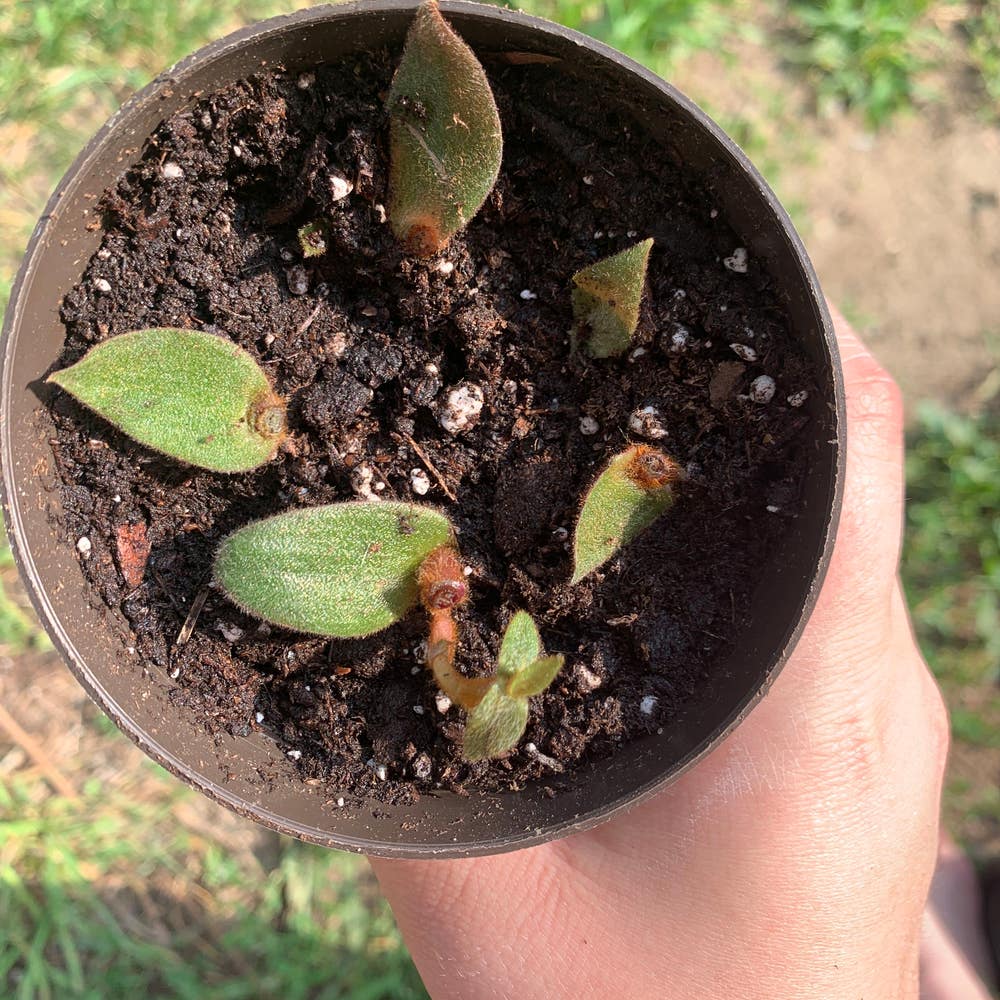
Fertilizing My Teddy Bear Vine
Cyanotis beddomei
By the Greg Editorial Team
Jun 18, 2024•3 min read
This article was created with the help of AI so we can cover more plants for you. May contain errors. See one? Report it here.
Nurture a lush Teddy Bear Vine with the right fertilization—less is more for vibrant growth! 🌿🌟
- Spring/Summer is prime time for fertilizing Teddy Bear Vine.
- 🌱 Balanced NPK ratio is key for robust growth and stem strength.
- Monitor for over-fertilization signs like yellowing leaves and wilting.
Timing is Everything: When to Fertilize Your Teddy Bear Vine
🌱 Recognizing Growth and Dormancy Phases
Identifying the growing season for your Teddy Bear Vine is crucial. This is when the plant is most receptive to nutrients and will exhibit rapid growth. Typically, spring and summer are the prime times for fertilization.
During the cooler months, your plant will enter a dormancy phase. It's not unlike your favorite series going on a season break; the plant's growth slows down, and so should your fertilization efforts.
🌸 Watching for Blooming Cues
Keep an eye out for flowering. When your Teddy Bear Vine starts to show signs of blooming, it's time to adjust your fertilization game. This is the plant's way of saying, "I'm ready for my close-up," and providing the right nutrients can lead to a more spectacular floral display.
Adjusting fertilization in response to these cues is like tuning an instrument before a big concert; it can make all the difference in performance. If you notice blooms, it's a signal to perhaps give a bit more, but always with a gentle hand.

Choosing the Perfect Fertilizer for Your Fuzzy Friend
🌱 Balanced Diet: NPK Ratios and Teddy Bear Vine
NPK ratios are crucial when selecting fertilizer for your Teddy Bear Vine. A balanced mix of nitrogen (N), phosphorus (P), and potassium (K) supports robust growth without compromising stem strength. Aim for a balanced formula, such as a 10-10-10 ratio, to nourish your plant effectively.
🌿 Going Organic: Benefits for Teddy Bear Vine
Organic fertilizers offer a slew of benefits for your Teddy Bear Vine, not least of which is the gradual release of nutrients. This slow-and-steady approach supports healthy growth over time and improves soil structure. Plus, you're doing the Earth a solid. When choosing between organic and synthetic options, consider the long-term health of your plant and its environment. Organic options may require patience, but your Teddy Bear Vine will reward you with vigor and vitality.

The Fertilization Tango: How to Apply Fertilizer Correctly
💧 Mixing it Right: Dilution Ratios for Safety
To avoid the horror of fertilizer burn, always start with a 50% diluted solution of the recommended dose. This is your safety net. Mixing fertilizer isn't about guesswork; it's a precision task. Think of yourself as a chemist, ensuring each drop is nutrient-balanced.
🌱 Frequency and Quantity: Less is Often More
Fertilize sparingly; more isn't better—it's a root-burning hazard. During the growing season, a light feeding schedule will maintain a healthy Teddy Bear Vine without the chemical burn. Yellowing leaves or a halt in growth are your cues to adjust your approach. Remember, it's a meal, not an all-you-can-eat buffet.

Keeping an Eye Out: Monitoring Your Plant's Health
🌿 Reading the Leaves: Signs of Over-Fertilization
Yellowing leaves or a white crust on the soil's surface are the plant's version of a red flag. If your Teddy Bear Vine's leaves look more burnt than your toast this morning, it's signaling distress. Browning leaf tips and wilting are the plant's SOS call.
🛠️ Making Adjustments: What to Do If You Over-Fertilize
If you've gone overboard with the plant food, don't panic. First, stop fertilizing and give your plant a breather. Flush the soil with water to leach out excess nutrients—think of it as a detox for your vine. Monitor soil moisture carefully; proper hydration can help your plant bounce back. If the situation is dire, repotting with fresh soil might be the equivalent of a plant lifeboat. Keep a close watch on your green buddy's recovery, and remember, in the plant world, less is often more.
⚠️ Safety First
This content is for general information and may contain errors, omissions, or outdated details. It is not medical, veterinary advice, or an endorsement of therapeutic claims.
Always consult a qualified healthcare professional before using any plant as food, medicine, or supplement.
Never eat any plant (or feed one to pets) without confirming its identity with at least two trusted sources.
If you suspect poisoning, call Poison Control (800) 222-1222, the Pet Poison Helpline (800) 213-6680, or your local emergency service immediately.
Spotted an error? Please report it here.
Nurture your Teddy Bear Vine to its lush best with Greg's customized fertilization reminders 🌿, ensuring you never overdo it during the growing season.