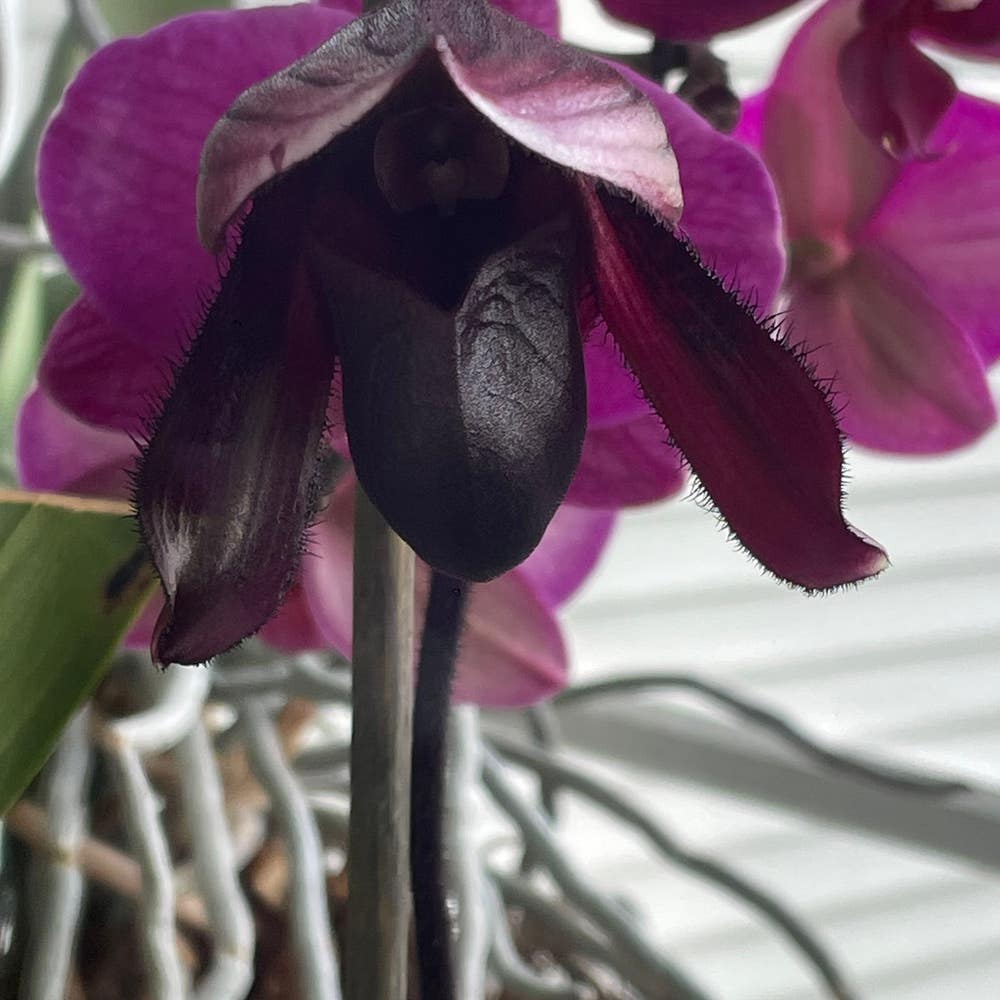
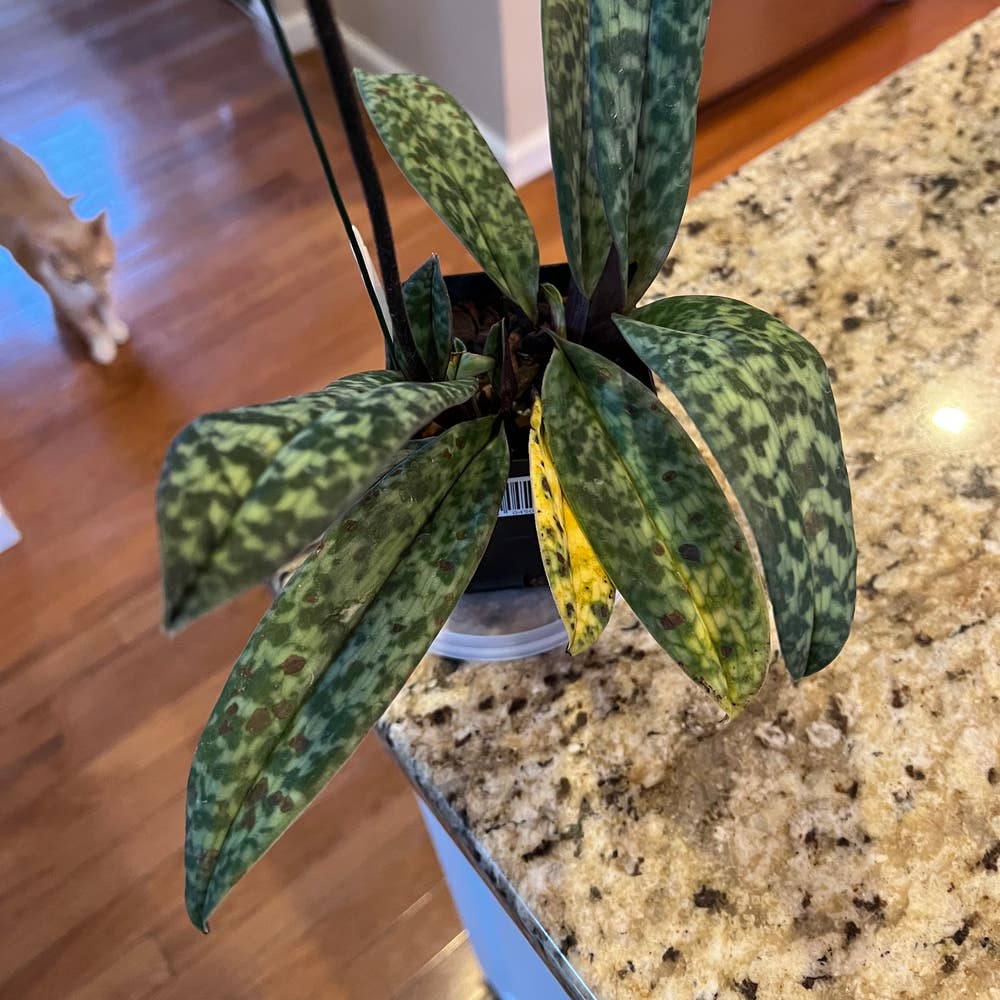
🌸 Best Spot to Plant Your Paphiopedilum 'Magic Cherry'
Paphiopedilum 'Magic Cherry'
By the Greg Editorial Team
Oct 02, 2024•6 min read
This article was created with the help of AI so we can cover more plants for you. May contain errors. See one? Report it here.
Master the art of nurturing your Paphiopedilum 'Magic Cherry' 🌸 with essential tips for optimal growth indoors and outdoors!
- 🌳 Paphiopedilum 'Magic Cherry' thrives in shaded areas with filtered sunlight for optimal growth.
- 💧 Maintain humidity levels between 50-70% for healthy orchid development indoors or outdoors.
- 🌬️ Protect from wind and temperature fluctuations to ensure a stable environment for your orchid.
Outdoor Planting Considerations
Ideal Outdoor Locations 🌳
When planting your Paphiopedilum 'Magic Cherry', look for shaded areas that receive filtered sunlight. These orchids thrive in environments where they can bask in gentle light without the harshness of direct sun.
Proximity to structures like trees or walls can also provide the indirect light they crave. This setup not only protects them from intense rays but also helps maintain a stable environment.
Assessing Outdoor Conditions 🌤️
Start by evaluating your garden layout to identify areas of shade and sun exposure. Understanding these conditions will help you choose the best spot for your orchid.
Humidity is crucial for outdoor settings. Ensure that the area maintains a consistent level of moisture, as orchids flourish in humid environments.
Seasonal temperature fluctuations can impact growth significantly. Be mindful of how these changes affect your plant, as they prefer stable conditions for optimal health.
Indoor Planting Considerations
Best Indoor Locations 🌞
For your Paphiopedilum 'Magic Cherry', positioning is key. Place it near east or west-facing windows to ensure it receives optimal light without the harshness of direct sunlight.
Direct sunlight can lead to leaf burn, which is something you definitely want to avoid. Instead, filtered light will keep your plant thriving and vibrant.
Assessing Indoor Conditions 💧
Humidity is crucial for your orchid's health. Aim to maintain humidity levels between 50-70% to create a comfortable environment for your Paphiopedilum.
To enhance indoor conditions, consider using humidity trays or regular misting. These simple techniques can significantly improve the atmosphere around your plant, promoting better growth and flowering.
With the right location and humidity levels, your Paphiopedilum 'Magic Cherry' will flourish indoors. Next, let’s explore the importance of sunlight exposure for optimal growth.
Sunlight Exposure
Optimal Sunlight Levels 🌞
Paphiopedilum 'Magic Cherry' thrives in bright, indirect light. While it prefers this ideal condition, it can tolerate lower light levels, making it versatile for various indoor and outdoor settings.
Effects of Sunlight Variations 🌤️
Too much sunlight can lead to leaf burn and faded colors, signaling that your plant is struggling. Conversely, insufficient light may result in stunted growth and poor flowering, indicating that your Paphiopedilum needs a brighter spot.
Understanding these sunlight dynamics is crucial for nurturing your plant effectively. By monitoring its light exposure, you can ensure vibrant blooms and healthy foliage.
As you consider sunlight exposure, remember that other environmental factors also play a significant role in your plant's health. Let's explore how soil type and conditions can further enhance your Paphiopedilum's growth.
Soil Type and Conditions
Best Soil Mix 🌱
For your Paphiopedilum 'Magic Cherry', a well-balanced soil mix is crucial. Combine bark, perlite, and sphagnum moss to create an ideal environment that promotes healthy growth.
This mix ensures adequate aeration and moisture retention, essential for the plant's well-being. Remember, a well-draining medium is non-negotiable for thriving orchids.
Importance of Drainage 🚰
Poor drainage can lead to root rot, a common issue that can devastate your plant. To prevent this, ensure your pot has drainage holes and consider using a potting mix designed specifically for orchids.
You can also improve drainage by adding materials like gravel or coarse sand to your mix. This simple step can make a world of difference in keeping your Paphiopedilum healthy and vibrant.
With the right soil conditions established, you're well on your way to nurturing a stunning orchid. Next, let’s explore how microclimates can further enhance your plant's growth.
Microclimates and Environmental Factors
🌤️ Identifying Microclimates
Microclimates are small areas where the climate differs from the surrounding environment. To identify them, observe variations in sunlight, wind, and moisture throughout your garden.
Look for spots that receive more shade or sunlight than others. Features like walls and trees can create these favorable conditions, offering protection from harsh elements.
🌱 How Microclimates Affect Growth
Planting in microclimates can significantly enhance humidity retention. This is particularly beneficial for your Paphiopedilum 'Magic Cherry,' which thrives in humid environments.
Adjust your care routine based on the specific conditions of these microclimates. For instance, if a spot is more sheltered, you might need to water less frequently compared to a more exposed area.
Understanding these nuances can lead to healthier plants and more vibrant blooms. With the right attention, your Paphiopedilum can flourish beautifully in its chosen spot.
Next, let’s explore the importance of wind protection and how to create a sheltered environment for your plants.
Wind Protection and Shelter
🌬️ Importance of Wind Protection
Wind can be a silent enemy for your Paphiopedilum 'Magic Cherry.' Delicate flowers and leaves are at risk of damage, which can stunt growth and reduce flowering.
Moreover, wind affects humidity levels around the plant. A drop in humidity can stress your orchid, making it crucial to consider wind protection in your planting strategy.
🏰 Best Structures for Shielding
To safeguard your plant, consider using natural barriers like hedges, fences, and walls. These structures can effectively block harsh winds and create a more stable environment.
If natural options aren't available, artificial structures such as plant covers or windbreaks can also provide excellent protection. They help maintain the humidity and overall health of your Paphiopedilum, ensuring it thrives in your garden.
As you plan your planting area, remember that a little wind protection goes a long way in nurturing your orchid. Next, let's explore how proximity to other plants and structures can further enhance your Paphiopedilum's growth.
Proximity to Other Plants and Structures
🌱 Companion Planting
Choosing the right companion plants can significantly enhance the growth of your Paphiopedilum 'Magic Cherry.' Look for plants that thrive in similar conditions, such as ferns or shade-loving orchids, which can help maintain humidity levels and create a favorable microclimate.
Companion planting not only benefits your Paphiopedilum but also promotes a healthier garden ecosystem. These plants can provide shelter, reduce pests, and even improve soil quality, making your garden a thriving habitat.
🚫 Avoiding Competition for Resources
When planting, it's crucial to assess the space available to prevent overcrowding. Ensure that your Paphiopedilum has enough room to grow without competing for nutrients, light, or water with neighboring plants.
Proper spacing is essential for air circulation, which helps prevent diseases and promotes healthy growth. Aim for a layout that allows each plant to flourish without hindrance, ensuring your garden remains vibrant and healthy.
By considering companion planting and resource competition, you can create an ideal environment for your Paphiopedilum 'Magic Cherry.' This thoughtful approach will lead to a more harmonious garden, setting the stage for the next topic on wind protection and shelter.
⚠️ Safety First
This content is for general information and may contain errors, omissions, or outdated details. It is not medical, veterinary advice, or an endorsement of therapeutic claims.
Always consult a qualified healthcare professional before using any plant as food, medicine, or supplement.
Never eat any plant (or feed one to pets) without confirming its identity with at least two trusted sources.
If you suspect poisoning, call Poison Control (800) 222-1222, the Pet Poison Helpline (800) 213-6680, or your local emergency service immediately.
Spotted an error? Please report it here.
Create the perfect home for your Paphiopedilum 'Magic Cherry' 🌸 by using Greg's tailored tips to maintain humidity and stable temperatures for thriving growth!