Black Spots on My Paphiopedilum 'Magic Cherry' Leaves
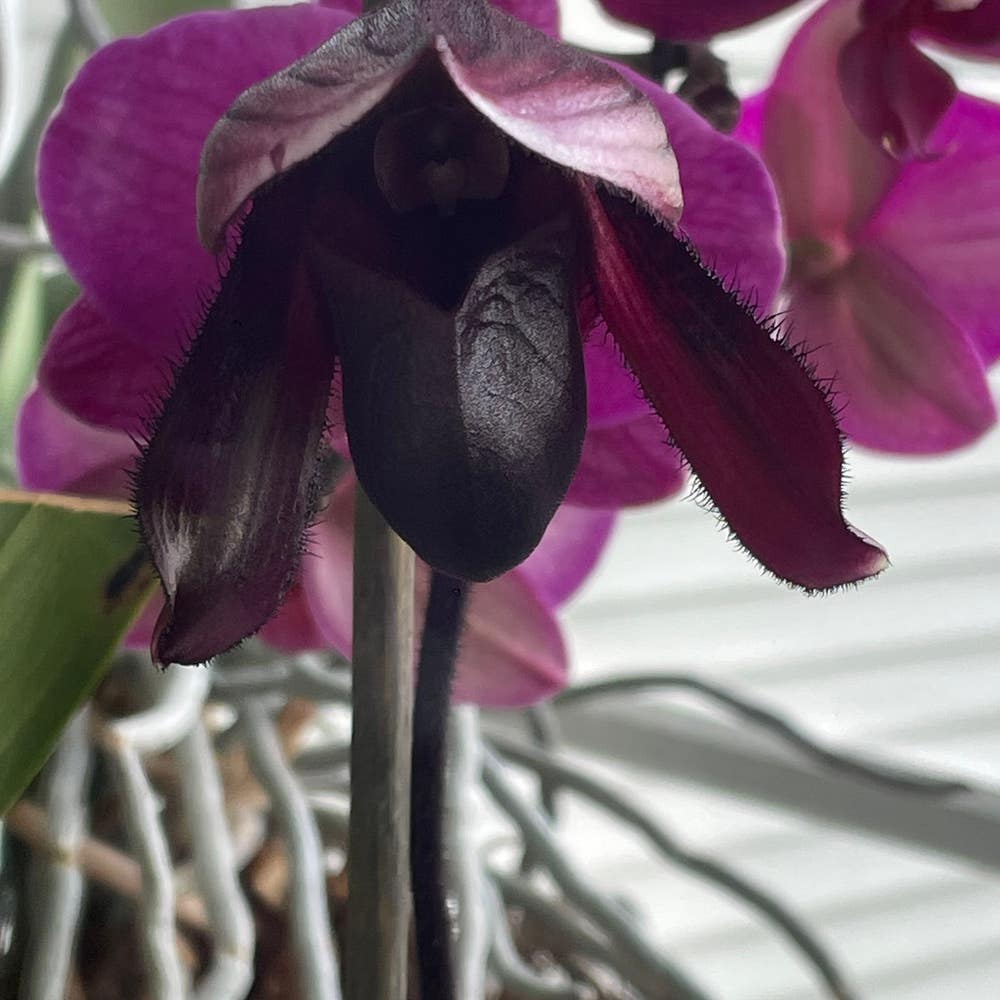
Paphiopedilum 'Magic Cherry'
By the Greg Editorial Team
Mar 31, 2024•4 min read
This article was created with the help of AI so we can cover more plants for you. May contain errors. See one? Report it here.
Banish black spots 🍒 on your 'Magic Cherry' orchid with this definitive treatment guide!
- Black spots grow and yellow leaves; not all blemishes are fungal or bacterial.
- Fungicides and copper treatments combat fungal and bacterial spots, respectively.
- Prevent with right environment, regular fertilization, and quarantine new plants.
Spotting the Culprit: Identifying Black Spots
🕵️ Visual Guide to Black Spots
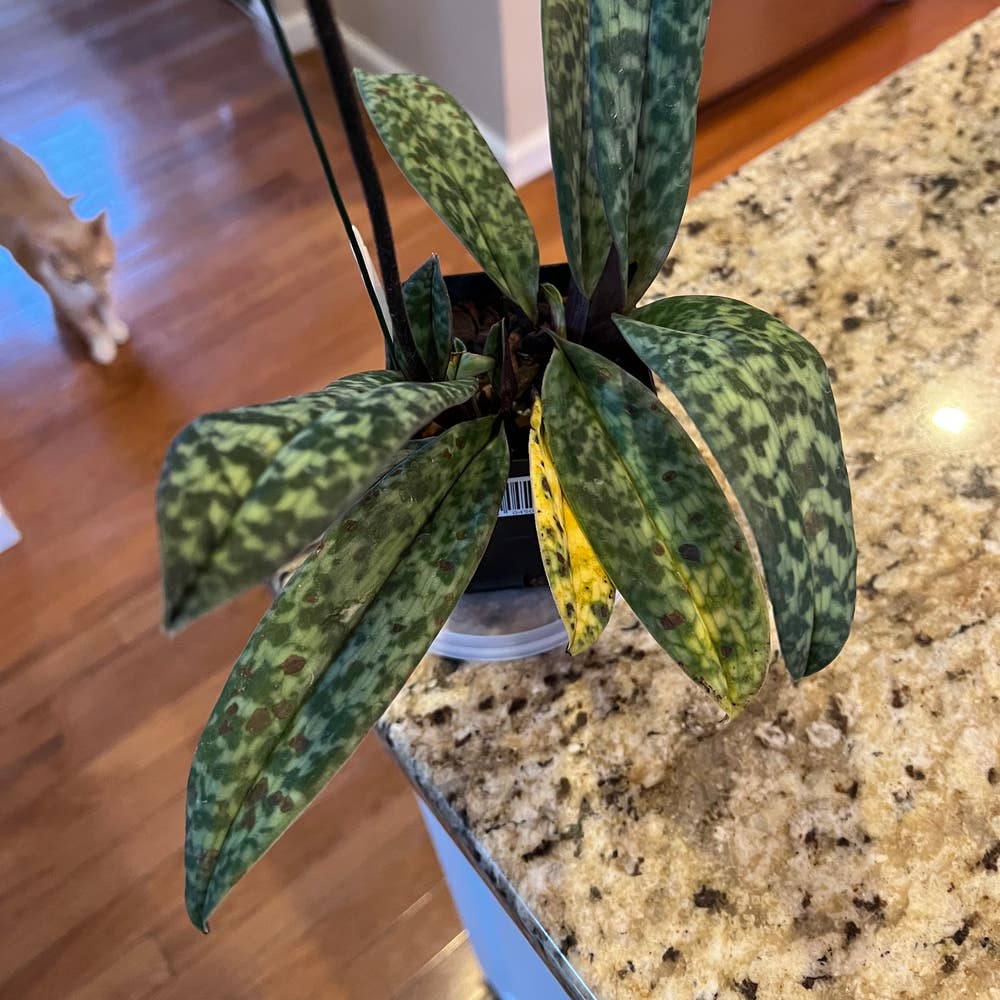
Black spots on your Paphiopedilum 'Magic Cherry' can be sneaky invaders, often starting as minuscule dots. Don't be fooled by their humble beginnings; these spots can grow into larger, more noticeable blotches. True black spots are irregular, lack a pattern, and can be accompanied by yellowing leaves. They're like uninvited guests that don't know when to leave.
🚨 Common Misdiagnoses
Beware of jumping to conclusions. Not all leaf blemishes are the enemy. Some plants flaunt natural variegation that mimics these black spots. Texture gives them away: fungal spots feel powdery, while bacterial spots might be slimy. And don't get me started on sunburn spots and nutritional deficiencies—they're a whole different ballgame, often lacking the dark, fringed edges of a true black spot disease.
Unveiling the Mystery: What's Causing the Black Spots?
🍄 Fungal Foes
Circular or irregular black lesions on your Paphiopedilum 'Magic Cherry' leaves are waving red flags for a fungal infection. If you spot a powdery or fuzzy texture, it's time to think fungus. These uninvited guests thrive in the high humidity and stagnant air that you might have thought was a tropical treat for your orchid.
🦠 Bacterial Baddies
Bacterial infections are the greasy fingerprints on your plant's once pristine leaves. They manifest as water-soaked lesions, often with a slimy texture. Unlike their fungal counterparts, bacteria demand a more aggressive approach, with copper-based treatments acting as the bouncers to this unwanted party.
🌿 When It's Not a Bug: Physical and Environmental Factors
Not all black spots are a sign of microbial mayhem. Sometimes, they're just the plant's SOS for help. Environmental stressors like sunburn or physical damage can also cause black spots. These are the bruises and sun-kissed tattoos of the plant world, signaling a need for better care or a change in environment.
The Battle Plan: Treating Black Spots
🍄 Fungicide to the Rescue
When black spots deface your Paphiopedilum 'Magic Cherry', fungicides step into the ring. For prevention, a protectant fungicide acts like a shield, while a systemic fungicide is the counterattack against an existing invasion. Follow the label as if it's a sacred text, and rotate products to keep the fungi off-balance.
💊 Bacteria Busters
If bacteria are the villains, it's time to bring out the copper-based bactericides. Think of them as your plant's antibiotics. Isolate the affected orchid first, then prune with sterilized precision. For a gentler touch, try a baking soda or neem oil mix, but remember, less is more.
🌱 TLC for Damaged Leaves
Nursing your orchid back to health requires a blend of tough love and tender care. Snip off the damaged parts with the focus of a brain surgeon and sterilize your tools to avoid spreading the blight. Keep the environment clean, and give your plant the equivalent of a vitamin boost with proper fertilization.
Fortifying Your Paphiopedilum: Prevention Strategies
🌱 Cultivating Resistance
Healthy plants are your first line of defense against the scourge of black spots. It's like equipping your Paphiopedilum 'Magic Cherry' with an invisible shield. Regular fertilization is not just pampering; it's a strategic move to boost your plant's immune system. Stick to the recommended amounts—overfeeding is just as bad as neglect.
🌞 Environmental Harmony
Creating the perfect environment for your orchid is like being a DJ at the decks, fine-tuning the conditions until they're just right. Bright, indirect sunlight is the sweet spot; it keeps your Paphiopedilum 'Magic Cherry' thriving without the risk of sunburn.
Air circulation is non-negotiable. Think of it as your plant's personal space—without it, things get stuffy and diseases like black spots get comfy. Use fans or open a window to keep the air moving. It's like giving your plant a breath of fresh air.
Watering wisdom is key. Only water when the top inch of the soil feels dry. Overwatering is like throwing a pool party for fungi, and they will RSVP 'yes' to that. Ensure good drainage to keep those roots happy, not soggy.
Regular inspections are crucial. It's the equivalent of a neighborhood watch for your plant. Catching black spots early is like catching a typo in a tweet before it goes viral—crucial and a real face-saver.
Remember, quarantine new plants like they're the latest trend in plant care. It's not overkill; it's smart gardening. This step is like the bouncer at the club door, making sure no troublemakers get in.
Lastly, preventative sprays can be the cloak of invisibility for your Paphiopedilum 'Magic Cherry'. Biopesticides are the gentle giants here—tough on pests but kind to your plant.
In the end, it's about creating a symphony of care where each element plays its part in harmony. Get this right, and black spots will remain a myth in your Paphiopedilum 'Magic Cherry' story.
⚠️ Safety First
This content is for general information and may contain errors, omissions, or outdated details. It is not medical, veterinary advice, or an endorsement of therapeutic claims.
Always consult a qualified healthcare professional before using any plant as food, medicine, or supplement.
Never eat any plant (or feed one to pets) without confirming its identity with at least two trusted sources.
If you suspect poisoning, call Poison Control (800) 222-1222, the Pet Poison Helpline (800) 213-6680, or your local emergency service immediately.
Spotted an error? Please report it here.
Keep your Paphiopedilum 'Magic Cherry' thriving 🍒 with Greg's tailored care reminders, ensuring black spots are just a blotch in the past.