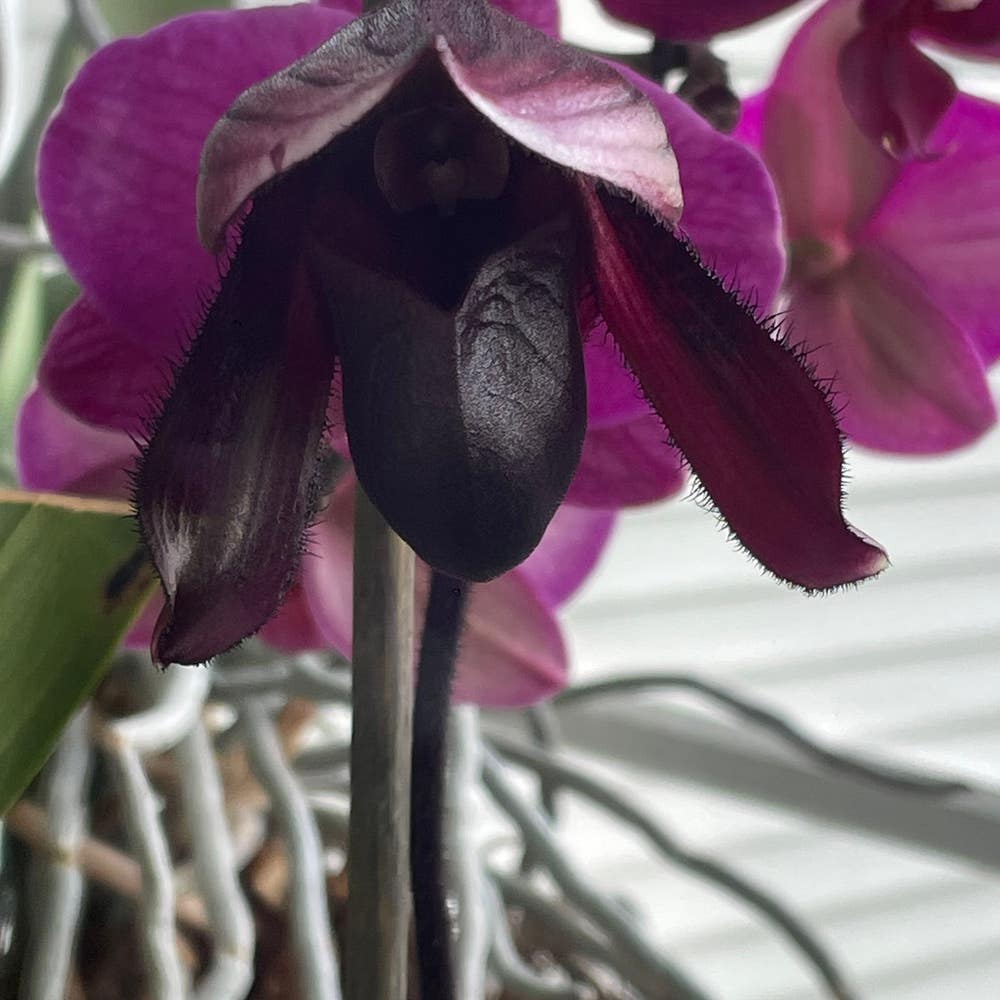
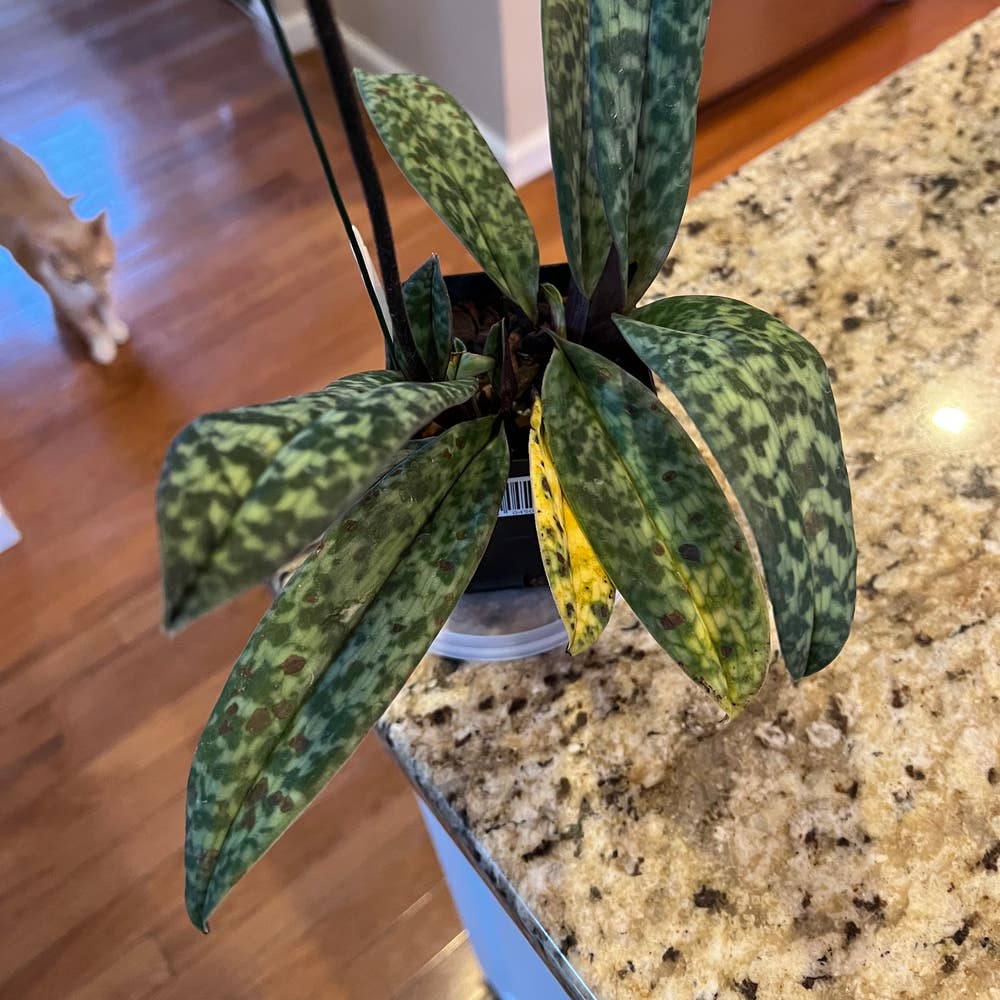
🌸 How Big Your Full Grown Paphiopedilum 'Magic Cherry' Can Get
Paphiopedilum 'Magic Cherry'
By the Greg Editorial Team
Oct 02, 2024•4 min read
This article was created with the help of AI so we can cover more plants for you. May contain errors. See one? Report it here.
Master the art of growing Paphiopedilum 'Magic Cherry' 🌸 with essential tips for size and care success!
- 🌱 Paphiopedilum 'Magic Cherry' grows 12-18 inches tall and 8-12 inches wide.
- ⏳ Achieve full size in 2-3 years with optimal light and humidity.
- 🌞 Bright, indirect light and proper pot size enhance growth significantly.
Size and Growth of Paphiopedilum 'Magic Cherry'
🌱 Mature Height and Spread
Paphiopedilum 'Magic Cherry' typically reaches a mature height of 12 to 18 inches. Its spread usually ranges from 8 to 12 inches, making it a compact yet striking addition to any collection.
Several factors influence these dimensions. Care conditions, such as light, temperature, and humidity, play a crucial role. Additionally, the age of the plant matters; younger plants tend to be smaller.
⏳ Growth Rate and Time to Full Size
The average growth rate of 'Magic Cherry' is moderate, varying with environmental conditions. Under optimal care, you can expect it to reach full size in approximately 2 to 3 years.
Several factors affect this growth rate. Environmental stability, including consistent care, leads to faster growth. Nutrient availability is also key; adequate fertilization can significantly enhance growth.
🌞 Size Variability Based on Growing Conditions
Light conditions have a notable impact on size. In low light, plants tend to be smaller and grow more slowly. Conversely, bright, indirect light promotes optimal size and growth rate.
Temperature and humidity are equally important. The ideal temperature range for 'Magic Cherry' is between 70°F and 80°F (21°C to 27°C), with humidity levels of 50-70% being optimal for growth.
The choice of potting medium and container size also influences growth. Small pots can restrict growth, resulting in smaller plants, while larger pots encourage more significant growth and spread.
Understanding these factors can help you cultivate a thriving Paphiopedilum 'Magic Cherry' that reaches its full potential. Next, we’ll explore how to control the size of your plant through effective pruning and repotting strategies.
Controlling Size
Pruning Techniques for Size Management ✂️
Pruning is essential for maintaining the size and health of your Paphiopedilum 'Magic Cherry'. The best time to prune is right after flowering, as this encourages new growth.
To promote overall plant health, remove any dead or yellowing leaves. This not only enhances appearance but also allows the plant to focus its energy on new growth. Additionally, trimming back leggy growth helps maintain a compact shape, making your orchid more visually appealing.
Repotting Strategies to Influence Growth 🪴
Repotting is another crucial aspect of size control. Aim to repot your 'Magic Cherry' every 1-2 years or whenever you notice it becoming root-bound.
When repotting, choose a slightly larger pot to encourage further growth. Using fresh potting medium is equally important, as it enhances nutrient availability and supports robust development. This simple step can make a significant difference in your plant's overall health and size.
With proper pruning and repotting techniques, you can effectively manage the size of your Paphiopedilum 'Magic Cherry', ensuring it thrives in your care. Next, let’s explore how this species compares in size to other Paphiopedilum varieties.
Comparative Size Analysis
Comparison with Other Paphiopedilum Species 🌱
When comparing Paphiopedilum 'Magic Cherry' to Paphiopedilum 'Maudiae', size differences become apparent. While 'Magic Cherry' typically reaches a mature height of 12-18 inches, 'Maudiae' can grow slightly taller, showcasing its unique growth habits.
Both species exhibit distinct mature dimensions, but their growth habits also vary. 'Magic Cherry' tends to have a more compact form, while 'Maudiae' may spread wider, making it essential to consider these traits when selecting a species for your collection.
Notable Characteristics of Other Species 🌼
Beyond size, other Paphiopedilum species present fascinating flower size and shape variations. For instance, some species boast larger, more elaborate blooms, while others feature smaller, delicate flowers. This diversity adds to the allure of growing different types of Paphiopedilum orchids.
Size Differences in Various Growing Environments 🌍
The environment plays a crucial role in the size of your Paphiopedilum. Indoor growth typically results in more consistent sizes due to controlled conditions. In contrast, outdoor growth can lead to variability, influenced by factors like sunlight, temperature, and humidity.
Impact of Regional Climate ☀️
Regional climate significantly impacts the size of Paphiopedilum orchids. In tropical climates, these plants may thrive and reach their full potential, while temperate regions might restrict growth. Understanding these environmental influences can help you optimize care for your orchids.
As you explore the world of Paphiopedilum, keep these comparisons and environmental factors in mind. They can guide your choices and enhance your growing experience, leading to healthier, more vibrant plants.
⚠️ Safety First
This content is for general information and may contain errors, omissions, or outdated details. It is not medical, veterinary advice, or an endorsement of therapeutic claims.
Always consult a qualified healthcare professional before using any plant as food, medicine, or supplement.
Never eat any plant (or feed one to pets) without confirming its identity with at least two trusted sources.
If you suspect poisoning, call Poison Control (800) 222-1222, the Pet Poison Helpline (800) 213-6680, or your local emergency service immediately.
Spotted an error? Please report it here.
Unlock the full beauty 🌸 of your Paphiopedilum 'Magic Cherry' with Greg's tailored care tips and reminders, ensuring your orchid thrives in its ideal environment!