🌸 What's Eating Your Paphiopedilum 'Magic Cherry'
Paphiopedilum 'Magic Cherry'
By the Greg Editorial Team
Oct 02, 2024•7 min read
This article was created with the help of AI so we can cover more plants for you. May contain errors. See one? Report it here.
Safeguard your Paphiopedilum 'Magic Cherry' from hungry herbivores while inviting beneficial insects for a flourishing garden! 🌿
- 🌸 Paphiopedilum 'Magic Cherry' attracts herbivores due to its vibrant flowers and leaves.
- 🦌 Signs of deer, rabbits, and squirrels include chewed leaves and droppings—monitor regularly!
- 🚫 Deterrent strategies like fencing and organic repellents can protect your orchids effectively.
Most Appealing Parts to Animals
Description of Appearance 🌸
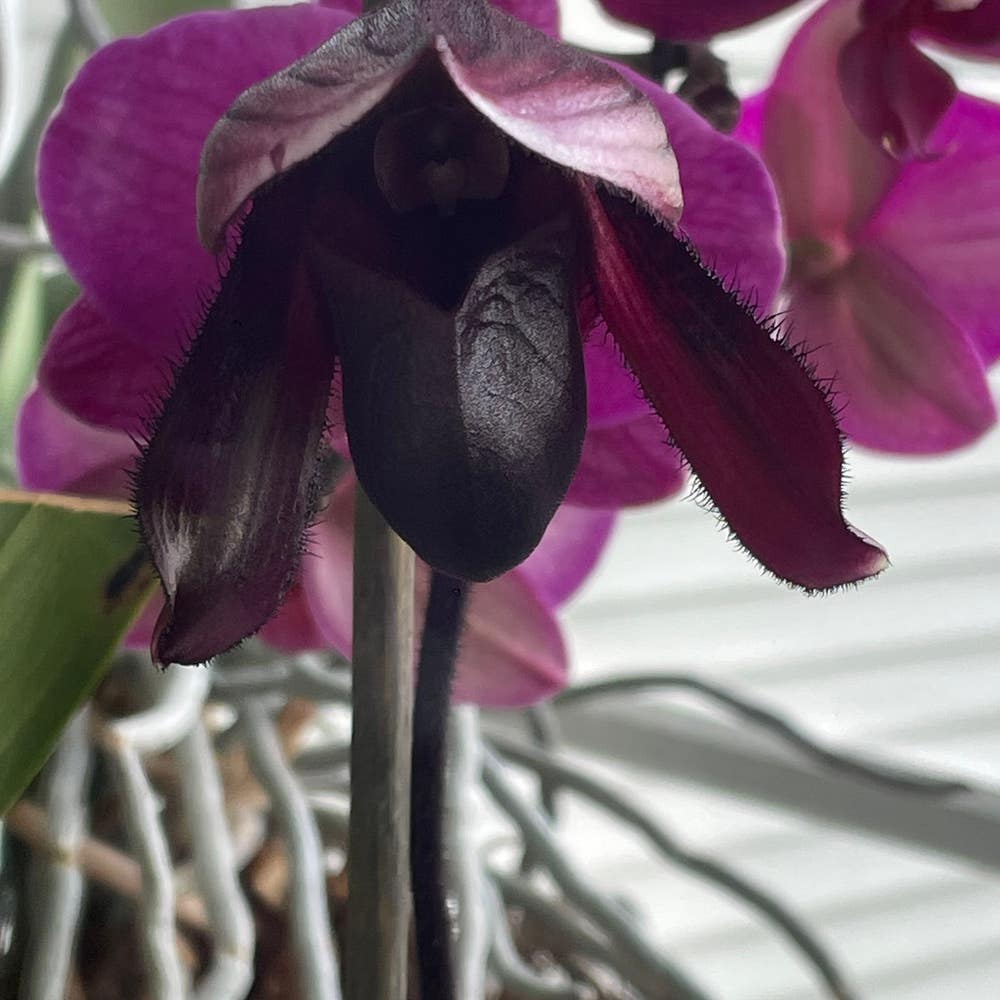
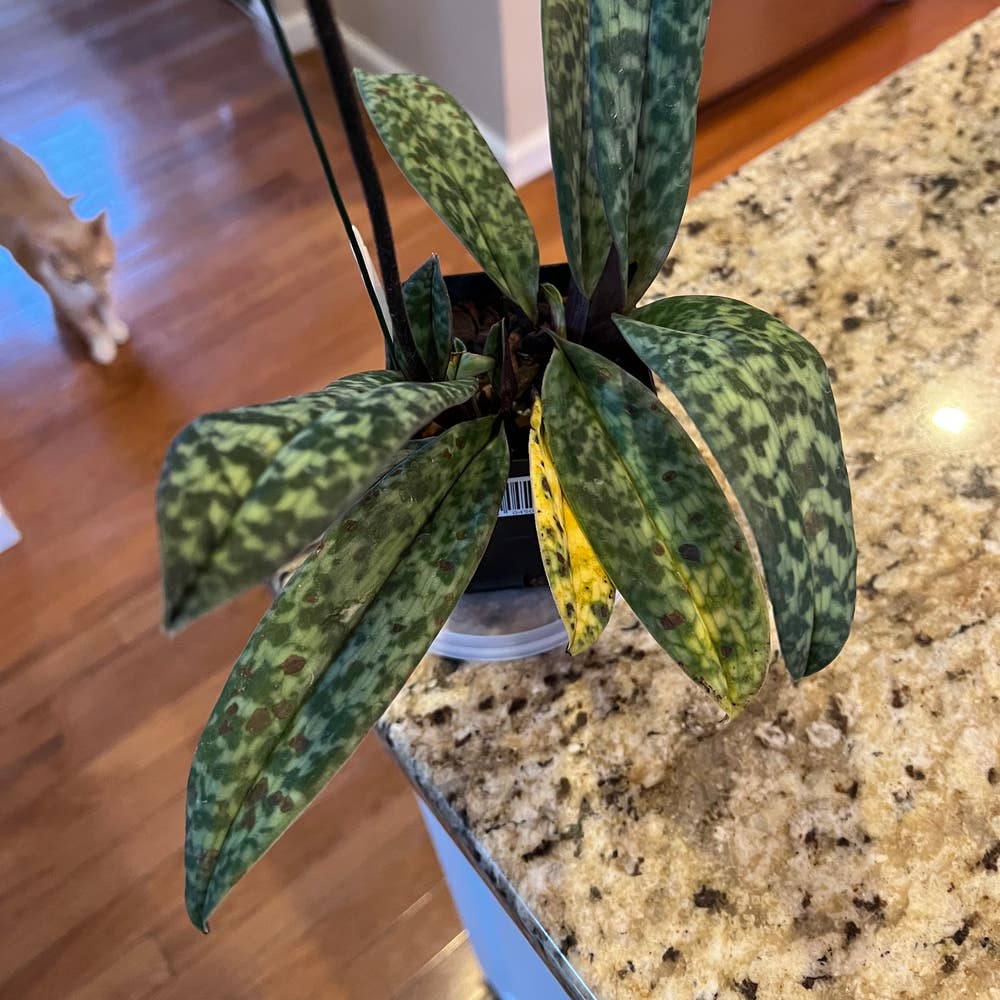
Paphiopedilum 'Magic Cherry' captivates with its striking, colorful flowers that boast a unique shape. The broad, glossy leaves contribute to a lush, inviting appearance that can easily catch the eye of passing animals.
Appeal to Herbivores 🐾
The vibrant flowers, with their bright colors and sweet scent, are irresistible to various herbivores. Additionally, the young shoots offer a tender texture, making them particularly appealing snacks for hungry critters.
This combination of visual allure and palatable parts makes the Paphiopedilum 'Magic Cherry' a target for herbivores looking for a tasty treat. Understanding these appealing features can help you devise effective strategies to protect your plant from potential damage.
Next, we’ll explore the common herbivores that might be drawn to your Paphiopedilum 'Magic Cherry' and the signs of their presence.
Common Herbivores Affecting Paphiopedilum 'Magic Cherry'
🦌 Deer
Signs of Presence and Damage Caused
Deer can be a significant threat to your Paphiopedilum 'Magic Cherry.' Look for hoof prints in the soil and signs of browsing on leaves and flowers, which can lead to stunted growth.
Beneficial vs. Harmful Interactions
Interactions with deer are generally harmful. If not managed, they can decimate your plant population.
Deterrent Methods
To protect your plants, consider erecting 8-foot tall fencing to prevent access. You can also use commercial deer repellents or homemade solutions like garlic spray for added protection.
🐇 Rabbits
Signs of Presence and Damage Caused
Rabbits leave small, round droppings and often nibble on leaves. Their chewed stems and leaves typically have a clean cut appearance.
Beneficial vs. Harmful Interactions
Rabbits are generally harmful to your plants. Their feeding habits can lead to significant damage.
Deterrent Methods
Netting is an effective way to cover your plants and prevent rabbit access. Additionally, using organic repellents with scents that deter rabbits, such as predator urine, can help.
🐿️ Squirrels
Signs of Presence and Damage Caused
Squirrels can be quite destructive, leaving chewed leaves and flowers scattered around. Their gnawing on stems and flowers can lead to plant stress.
Beneficial vs. Harmful Interactions
Interactions with squirrels are generally harmful. They can disrupt your plant's health significantly.
Deterrent Methods
For squirrels, consider using live traps for relocation. Noise deterrents like wind chimes or ultrasonic devices can also be effective.
🐦 Birds
Signs of Presence and Damage Caused
Birds may leave peck marks on flowers and leaves. They can remove flower petals and even prey on seeds.
Beneficial vs. Harmful Interactions
Bird interactions are mixed. While some birds assist with pollination, others can cause damage to your plants.
Deterrent Methods
To deter birds, use scare tactics like reflective tape or scarecrows. Hanging CDs or aluminum foil strips can also help keep them at bay.
🐭 Rodents (Mice, Voles)
Signs of Presence and Damage Caused
Rodents often leave small holes in the soil and droppings. Their gnawing on roots and stems can lead to plant decline.
Beneficial vs. Harmful Interactions
Rodents are generally harmful. They can cause significant damage to your plants.
Deterrent Methods
Traps, either snap or live, can be effective for rodent removal. Habitat modification, such as clearing debris and tall grass, can reduce their hiding spots.
🦡 Groundhogs/Woodchucks
Signs of Presence and Damage Caused
Groundhogs create burrows near your plants and chew on foliage. Their damage can be extensive, affecting both leaves and stems.
Beneficial vs. Harmful Interactions
Interactions with groundhogs are generally harmful. They can severely impact your plant's health.
Deterrent Methods
To deter groundhogs, bury fencing 12 inches underground to prevent burrowing. You can also use commercial repellents or homemade solutions like hot pepper spray for added protection.
Understanding these common herbivores and their impacts can help you protect your Paphiopedilum 'Magic Cherry.' By implementing effective deterrent methods, you can create a thriving environment for your plants.
Beneficial Animals and Their Role
🐝 Description of Beneficial Insects
In the world of gardening, beneficial insects play a crucial role. Pollinators like bees and butterflies not only add beauty but also assist in the reproduction of plants, including your Paphiopedilum 'Magic Cherry'.
Predatory insects, such as ladybugs and lacewings, help keep pest populations in check. Their presence can significantly reduce the need for chemical interventions, making your garden healthier and more vibrant.
🌿 Positive Impacts on the Garden Ecosystem
The impact of these beneficial insects extends beyond just pollination. Enhanced pollination leads to better plant health, resulting in more robust blooms and fruit.
Moreover, natural pest control provided by these insects fosters a balanced ecosystem. This reduces reliance on pesticides, promoting a healthier environment for both plants and wildlife.
By encouraging these beneficial species, you create a thriving garden that not only looks good but also contributes positively to the ecosystem.
As you cultivate your Paphiopedilum 'Magic Cherry', remember the importance of these allies. Their roles are vital in maintaining the delicate balance of your garden, ensuring it flourishes for years to come.
Next, let’s explore general strategies for protecting your plants from herbivores while fostering this beneficial ecosystem.
General Strategies for Protection
🛡️ Preventive Measures
Choosing the right location for your Paphiopedilum 'Magic Cherry' can make a world of difference. Opt for spots that are less accessible to herbivores, such as elevated areas or those surrounded by dense foliage.
Companion planting is another effective strategy. Pairing your orchids with plants that naturally deter pests can create a protective barrier, making your garden less appealing to hungry visitors.
⚠️ Reactive Solutions
Regular monitoring is crucial for maintaining plant health. Keep an eye out for signs of animal activity, such as chewed leaves or droppings, to catch potential issues early.
When you notice any signs, act immediately. Implement deterrents like repellents or physical barriers to protect your plants from further damage.
🌱 Balancing Ecosystem Health
Understanding the role of herbivores in your garden ecosystem is essential. While they can be harmful, they also play a part in maintaining balance.
Encouraging beneficial species, like pollinators and predatory insects, can help manage harmful ones. Strive for a harmonious garden where both sides coexist, enhancing overall plant health and vitality.
By integrating these strategies, you can create a thriving environment for your Paphiopedilum 'Magic Cherry' while keeping unwanted visitors at bay.
Seasonal Considerations
🦋 Seasonal Variations in Animal Attraction
As the seasons change, so does the activity of animals around your Paphiopedilum 'Magic Cherry.' In spring, expect a surge in animal activity as creatures emerge from hibernation, eager to explore fresh growth.
Summer brings peak feeding times for many herbivores. This is when your plants are most at risk, as hungry animals seek out tender leaves and vibrant flowers.
⏰ Timing of Plant Vulnerability
Young shoots and flowers are particularly vulnerable in early spring. This is the critical period when monitoring becomes essential to protect your plants.
During flowering periods, keep a close eye on your Paphiopedilum. Increased animal activity can lead to significant damage if not addressed promptly.
Understanding these seasonal patterns can help you safeguard your prized orchids effectively. With a proactive approach, you can enjoy the beauty of your plants while minimizing the impact of hungry visitors.
Toxicity and Safety
Discussion of Toxic Effects 🌿
Paphiopedilum 'Magic Cherry' exhibits mild toxicity, which can serve as a natural deterrent for some herbivores. This characteristic may help protect the plant from being overly consumed, allowing it to thrive in its environment.
Implications for Animal Interactions 🐾
Understanding the toxicity of this orchid is crucial for managing animal interactions. While some animals may avoid the plant due to its mild toxicity, others might not be deterred, leading to potential damage.
Key Takeaways 📋
- Mild Toxicity: Acts as a defense mechanism against certain herbivores.
- Animal Awareness: Knowing which animals are affected can help in planning protective measures.
Incorporating this knowledge into your gardening strategy can enhance the health of your Paphiopedilum 'Magic Cherry'. By balancing the presence of herbivores and beneficial species, you can create a thriving ecosystem.
Next, we’ll explore general strategies for protecting your plants from unwanted animal interactions.
⚠️ Safety First
This content is for general information and may contain errors, omissions, or outdated details. It is not medical, veterinary advice, or an endorsement of therapeutic claims.
Always consult a qualified healthcare professional before using any plant as food, medicine, or supplement.
Never eat any plant (or feed one to pets) without confirming its identity with at least two trusted sources.
If you suspect poisoning, call Poison Control (800) 222-1222, the Pet Poison Helpline (800) 213-6680, or your local emergency service immediately.
Spotted an error? Please report it here.
Keep your Paphiopedilum 'Magic Cherry' thriving 🌺 by using Greg's personalized reminders and deterrent strategies to fend off those pesky herbivores!