🌸 4 Ideal Companions for Your Paphiopedilum 'Magic Cherry'
Paphiopedilum 'Magic Cherry'
By the Greg Editorial Team
Oct 02, 2024•5 min read
This article was created with the help of AI so we can cover more plants for you. May contain errors. See one? Report it here.
Elevate your Paphiopedilum 'Magic Cherry' with perfect companions for a vibrant, thriving garden! 🌿✨
- 🌿 Ferns and Peace Lilies thrive in humidity, perfect for Paphiopedilum 'Magic Cherry'.
- 🌼 Calathea and Pothos enhance beauty while sharing watering needs with the orchid.
- 🐞 Companion plants attract beneficial insects, helping manage pests effectively.
Ideal Companions for Paphiopedilum 'Magic Cherry'
🌿 Ferns
Ferns are a fantastic companion for your Paphiopedilum 'Magic Cherry'. They thrive in high humidity and indirect light, mirroring the orchid's preferences perfectly.
These lush plants require well-draining soil, which complements the needs of your orchid. Plus, their vibrant greenery enhances the overall visual appeal of your indoor garden.
🌸 Peace Lily
The Peace Lily is another excellent choice for companionship. It enjoys similar humidity levels and indirect light, making it a harmonious addition to your plant collection.
Beyond aesthetics, Peace Lilies act as natural air purifiers, benefiting the overall environment. Their elegant blooms beautifully complement the cherry-colored flowers of Paphiopedilum 'Magic Cherry'.
🍃 Calathea
Calathea is a stunning option that thrives in high humidity and indirect light. Its unique leaf patterns add a striking visual interest and texture to your plant arrangement.
Sharing similar watering needs with your orchid, Calathea helps prevent overwatering issues. This compatibility makes it a reliable companion for your Paphiopedilum 'Magic Cherry'.
🌱 Pothos
Pothos is a versatile plant that thrives in low to medium light, making it suitable for shaded areas. Its ability to help maintain humidity levels around your orchid is a significant advantage.
Additionally, Pothos grows quickly, filling space without competing for nutrients. This makes it an ideal companion that supports the health of your Paphiopedilum 'Magic Cherry'.
These companions not only enhance the beauty of your plant collection but also create a thriving ecosystem. Next, let’s explore how these plants can help with pest management.
Pest Management
🌱 How Companion Plants Can Deter Pests
Companion plants play a crucial role in pest management for your Paphiopedilum 'Magic Cherry'. They can attract beneficial insects that prey on common pests, creating a natural balance in your garden.
Additionally, certain plants can mask the scent of orchids. This confuses pests, making it harder for them to locate their next meal.
🦟 Specific Pest-Repellent Properties of Chosen Companions
Ferns
Ferns are not just beautiful; they attract predatory insects that feed on aphids and spider mites. This makes them a fantastic ally in keeping your orchid healthy.
Peace Lily
The Peace Lily is more than just a pretty face. It contains compounds that repel common pests like thrips and mealybugs, providing an extra layer of protection for your Paphiopedilum.
Calathea
Calathea brings a unique advantage with its strong scent. This not only deters pests but also attracts pollinators, enhancing the ecosystem around your orchid.
Pothos
Pothos is known for its resilience and pest-repellent properties. It effectively repels spider mites and other common orchid pests, making it a reliable companion.
By incorporating these companion plants, you can create a thriving environment that supports your Paphiopedilum 'Magic Cherry' while keeping pests at bay. This thoughtful approach to gardening not only enhances plant health but also enriches your overall gardening experience.
Next, let’s explore the aesthetic benefits of companion planting and how it can elevate the beauty of your garden.
Visual Appeal
Aesthetic Benefits of Companion Planting 🌼
Companion planting significantly enhances the beauty of your garden. By creating layers and textures, it transforms a simple space into a vibrant ecosystem.
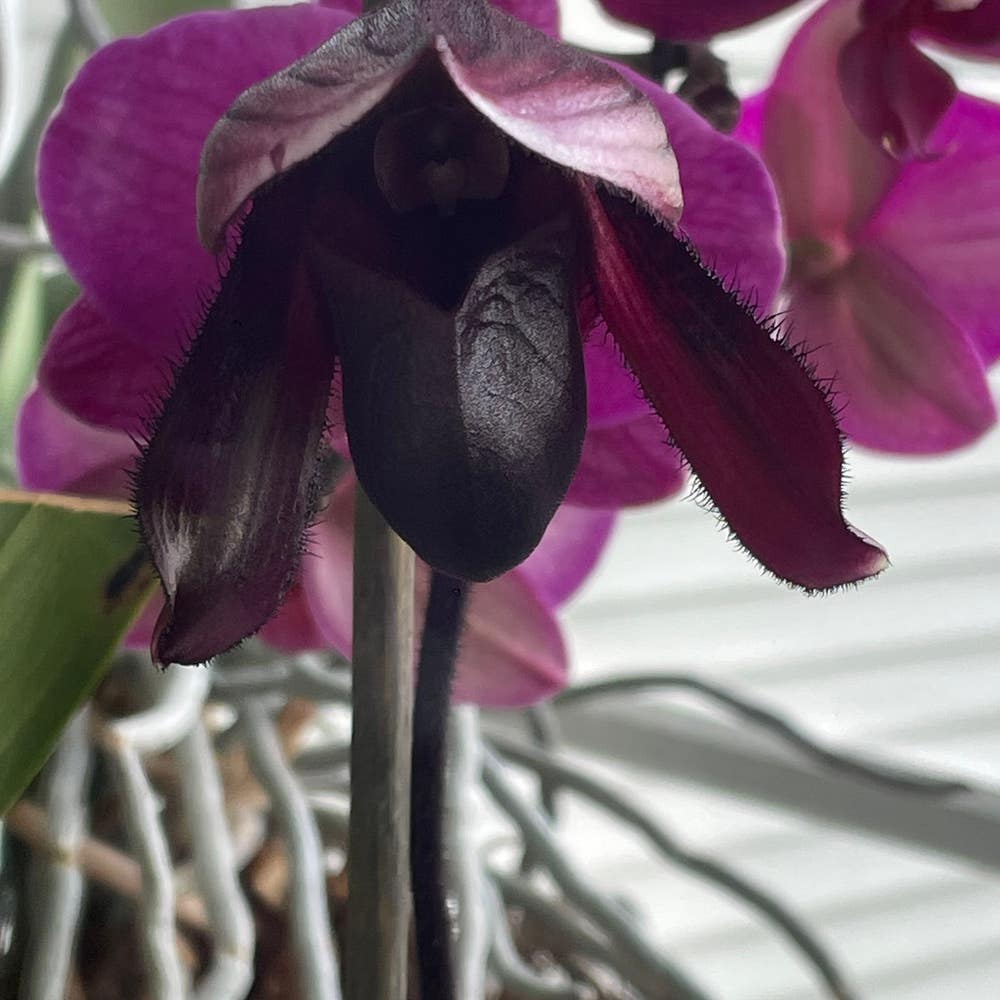
This technique also provides a stunning backdrop for the unique blooms of Paphiopedilum 'Magic Cherry'. The interplay of colors and shapes draws the eye, making your orchid stand out even more.
Color and Texture Combinations with Paphiopedilum 'Magic Cherry' 🎨
The contrast between the cherry-colored blooms and the lush green foliage of companion plants is striking. This vibrant combination not only elevates the visual appeal but also creates a harmonious garden atmosphere.
Varied leaf shapes and sizes add depth and interest to your garden. Each companion plant contributes its own unique texture, enriching the overall aesthetic experience.
Incorporating these companions not only beautifies your space but also fosters a thriving environment for your Paphiopedilum 'Magic Cherry'. As you explore these combinations, you'll find endless possibilities for creativity and inspiration in your gardening journey.
Plants to Avoid
List of plants that should not be planted near Paphiopedilum 'Magic Cherry' 🌱
Certain plants can disrupt the harmony of your Paphiopedilum 'Magic Cherry'.
- Cacti and Succulents: These thrive in low humidity and can compete for moisture, which is detrimental to your orchid's health.
- Heavy Feeders: Plants that require a lot of nutrients can deplete the soil, leaving your orchid without essential resources.
- Strongly Scented Herbs: While they may be lovely in the kitchen, these herbs can attract pests that pose a threat to your orchid.
Reasons for incompatibility 🚫
Understanding why these plants are incompatible is crucial for maintaining a healthy garden.
- Differing Care Needs: Cacti flourish in dry conditions, while Paphiopedilum 'Magic Cherry' craves high humidity. This fundamental difference can lead to stress for your orchid.
- Pest Attraction: Some plants can lure pests that harm orchids, disrupting the beneficial relationships you aim to create through companion planting.
By avoiding these incompatible plants, you can ensure a thriving environment for your Paphiopedilum 'Magic Cherry'. This careful selection not only promotes health but also enhances the beauty of your garden.
Next, let’s explore the aesthetic benefits of companion planting and how it can elevate your gardening experience.
⚠️ Safety First
This content is for general information and may contain errors, omissions, or outdated details. It is not medical, veterinary advice, or an endorsement of therapeutic claims.
Always consult a qualified healthcare professional before using any plant as food, medicine, or supplement.
Never eat any plant (or feed one to pets) without confirming its identity with at least two trusted sources.
If you suspect poisoning, call Poison Control (800) 222-1222, the Pet Poison Helpline (800) 213-6680, or your local emergency service immediately.
Spotted an error? Please report it here.
Create a thriving garden ecosystem 🌿 for your Paphiopedilum 'Magic Cherry' with perfect companions, and let Greg guide you with tailored care tips to ensure they all flourish together!