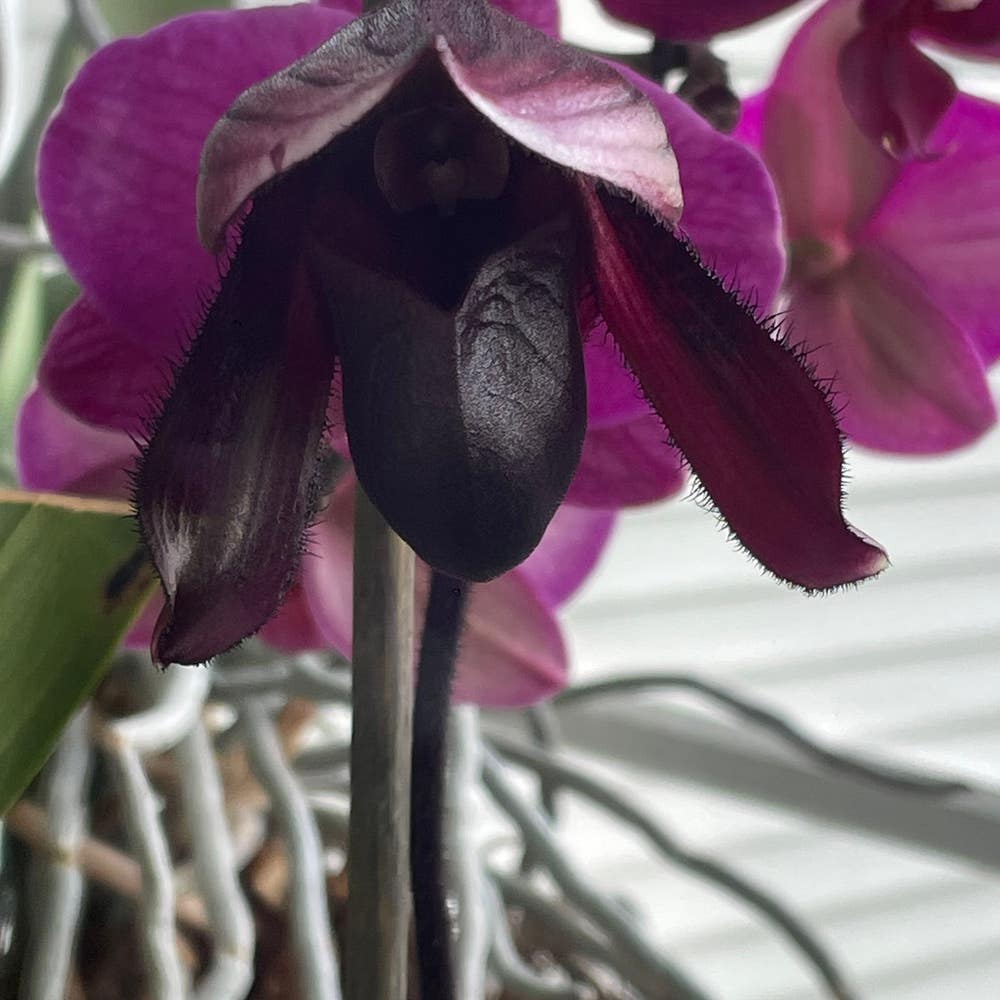
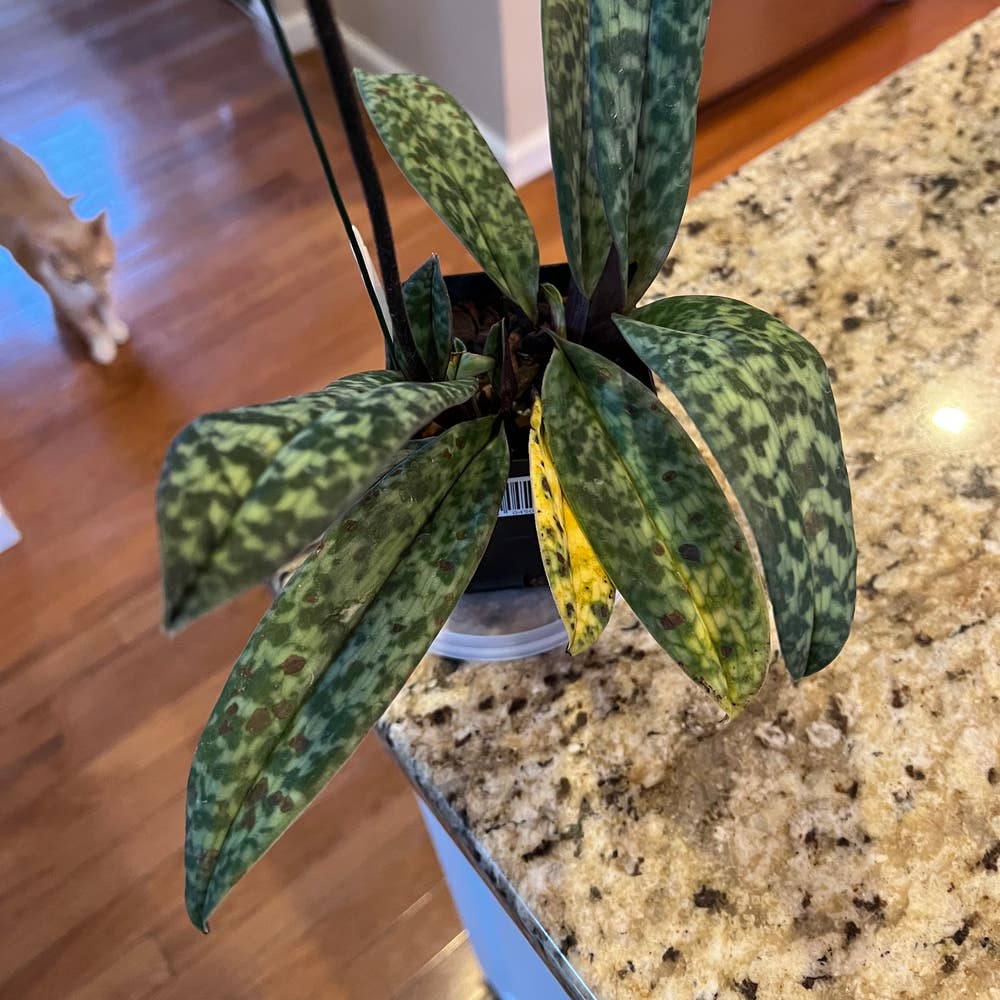
Common Paphiopedilum 'Magic Cherry' Problems
Paphiopedilum 'Magic Cherry'
By the Greg Editorial Team
Mar 31, 2024•4 min read
This article was created with the help of AI so we can cover more plants for you. May contain errors. See one? Report it here.
Solve your 'Magic Cherry' orchid troubles 🌸 and nurture a flourishing bloom with ease!
- Over-watering? Cease watering, dry out soil, and trim mushy roots.
- Under-watered orchids need careful rehydration and consistent moisture levels.
- Light and temperature are key; adjust for pale leaves or temperature stress.
When Water Works Against You
💧 Over-Watering Woes
Yellowing leaves and root rot are the red flags of over-watering your Paphiopedilum 'Magic Cherry'. If the roots are mushy and the potting medium feels like a sponge, it's time to intervene.
- Cease watering immediately to let the soil dry out.
- Trim damaged roots to prevent the spread of rot.
- Adjust your watering schedule based on the orchid's response, not the calendar.
🏜️ Under-Watering Mishaps
Wrinkled leaves and stunted growth scream dehydration. A bone-dry potting mix and soil pulling away from the pot's edge are clear indicators that your orchid is thirsty.
- Rehydrate carefully to avoid shocking the plant.
- Ensure consistent moisture levels; water deeply when the top inch of soil is dry.
- Consider repotting if the current container contributes to rapid drying.
Light: Finding the Sweet Spot
🌱 Too Little Light
Identifying the issue with pale leaves and a lack of blooms is straightforward. Your Paphiopedilum 'Magic Cherry' is craving more light.
Let there be light
Adjust your orchid's sunbathing routine by moving it to a location with bright, filtered sunlight. East or west-facing windows are ideal. If natural light is limited, consider using artificial grow lights, positioned to avoid leaf burn.
☀️ Too Much Heat
Leaf scorch is a clear sign of too much sun. If your orchid's leaves are showing brown spots or a crispy texture, it's time to intervene.
Shading the shine
Protect your orchid from harsh rays with sheer curtains or by relocating it to a shadier spot. Monitor the plant's response and adjust its position to prevent future leaf scorch. Remember, stability is key; once you find the right spot, let your orchid settle in.
Temperature Tantrums
🌡️ Signs of Temperature Stress
Yellowing leaves and stunted growth are your orchid's way of saying it's not happy with the temperature. If the leaves feel warm to the touch or show reddish-purple spots, your plant might be too hot. On the flip side, dark, soggy leaves suggest it's too cold.
🌬️ Keeping it Cool (or Warm)
Stabilizing your orchid's climate is crucial. Use a thermometer to monitor the temperature around your plant. Aim for a consistent range between 15-23ºC (59-73ºF). Keep your orchid away from drafts and direct heat sources like radiators or air conditioning units. If it's too hot, create shade or move it to a cooler spot. For cold stress, a plant heat mat or a warmer location can offer relief. Regularly adjusting room temperatures can prevent a full-blown orchid tantrum.
Pesky Pests and How to Part with Them
🐛 Common Culprits
Aphids, scale, and spider mites are the troublemakers you're likely to encounter on your Paphiopedilum 'Magic Cherry'. Aphids are tiny, but their impact is huge, as they suck sap and excrete sticky honeydew. Scale insects are masters of disguise, resembling small bumps on stems and leaves. Spider mites, meanwhile, are nearly invisible but betray their presence with fine webbing and speckled leaves.
🌿 Natural and Chemical Combat
Vigilance is your first line of defense; inspect your orchid regularly. If pests are spotted, isolate the plant to stop the spread. For a mild infestation, a soapy water solution can be a gentle eviction notice. Neem oil and insecticidal soap are the next escalation, effective yet less harmful to beneficial insects. In severe cases, chemical pesticides may be necessary, but use them as a last resort and follow the label to the letter. Remember, prevention is easier than cure, so keep those freeloaders out by maintaining a clean and healthy environment for your orchid.
Fungal Foes and Root Rot
🍄 Mold and Fungus Among Us
Mold and mildew are stealthy invaders of your Paphiopedilum 'Magic Cherry', often going unnoticed until they've thrown a full-blown fungal fiesta. Discoloration on leaves or a musty odor are your cues to crash their party.
Spotting Spores
Keep an eye out for powdery spots or any leaf discoloration. These are the red flags signaling it's time to take action against these uninvited guests.
Clearing the Air
Boosting airflow is like giving your orchid a breath of fresh air, literally. It's essential to prevent mold from getting too comfortable. Ensure your watering habits don't turn the pot into a spore incubator.
The Root of the Problem
Root rot is the horror movie villain for your orchid, often lurking unseen. It's a silent killer, but with vigilance, you can catch it before the credits roll.
Early Detection and Intervention
Inspect the roots. If they've gone from firm and white to soft and brown, it's time for a rescue mission. Trim away the rot with sterilized tools and repot in fresh, well-draining soil to give your orchid a fighting chance.
Starting Fresh
After evicting the rot, consider giving the pot a bleach solution bath to kill any lingering pathogens. Then, repot with fresh, sterile soil in a pot that promotes good drainage to avoid a sequel.
⚠️ Safety First
This content is for general information and may contain errors, omissions, or outdated details. It is not medical, veterinary advice, or an endorsement of therapeutic claims.
Always consult a qualified healthcare professional before using any plant as food, medicine, or supplement.
Never eat any plant (or feed one to pets) without confirming its identity with at least two trusted sources.
If you suspect poisoning, call Poison Control (800) 222-1222, the Pet Poison Helpline (800) 213-6680, or your local emergency service immediately.
Spotted an error? Please report it here.
Keep your Paphiopedilum 'Magic Cherry' orchid flourishing 🌸 with Greg's custom care reminders and expert community advice to prevent over-watering and pests!