How and When to Pollinate Paphiopedilum 'Magic Cherry' 🐝
Paphiopedilum 'Magic Cherry'
By the Greg Editorial Team
Oct 02, 2024•6 min read
This article was created with the help of AI so we can cover more plants for you. May contain errors. See one? Report it here.
Master the art of pollination for Paphiopedilum 'Magic Cherry' 🌸 and elevate your gardening game while supporting nature!
- 🌸 Paphiopedilum 'Magic Cherry' attracts pollinators with its unique pouch-like lip and vibrant colors.
- 🌱 Self-pollination ensures seed production, while cross-pollination boosts genetic diversity and resilience.
- 🌿 Optimal conditions and hand pollination enhance fertilization success for this beautiful orchid.
Flower Structure
Description of Characteristics 🌸
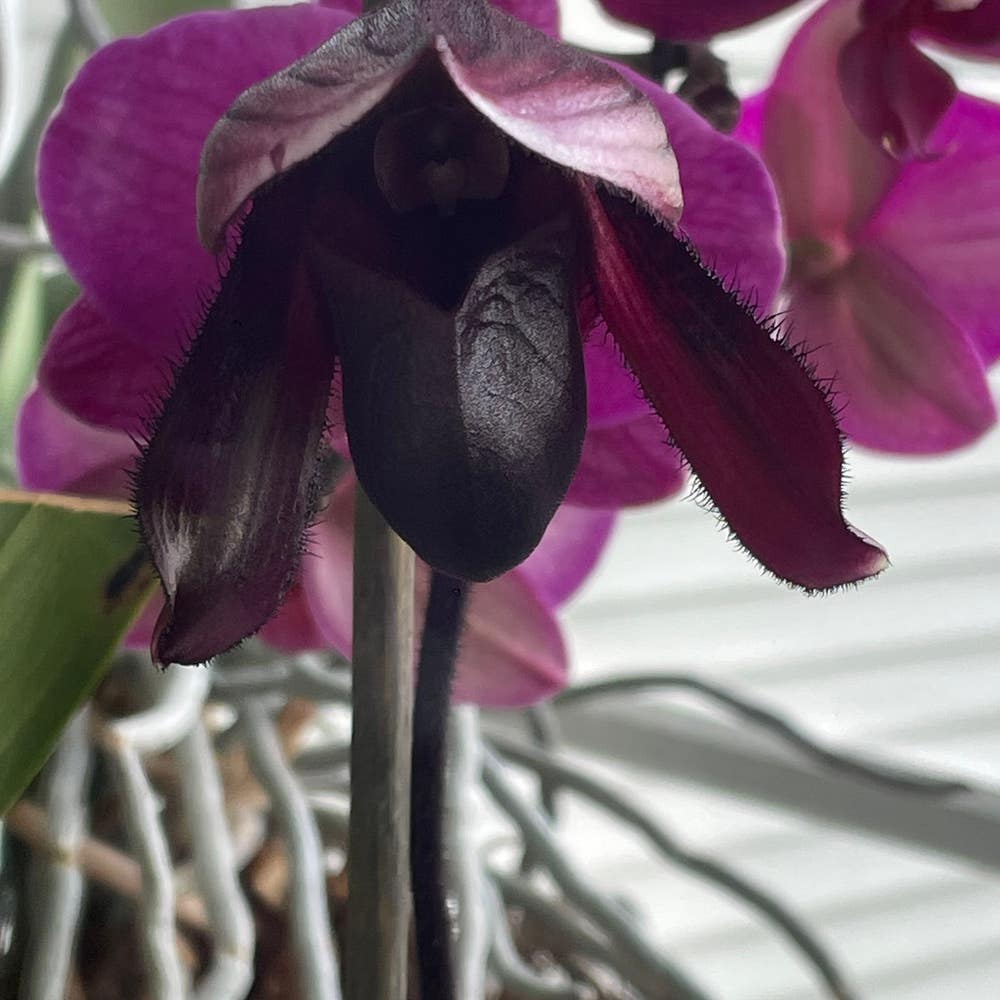
The Paphiopedilum 'Magic Cherry' boasts a distinctive pouch-like lip, a hallmark of its genus. This unique shape not only adds to its visual appeal but also plays a crucial role in its pollination strategy.
The flower showcases striking hues that are specifically designed to attract certain pollinators. These vibrant colors serve as a beacon, guiding pollinators toward the flower's reproductive parts.
The arrangement of petals, sepals, stamens, and pistils is unlike any other. This intricate configuration enhances the flower's ability to facilitate both self-pollination and cross-pollination.
Role in Pollination 🐝
The pouch-like lip is more than just an aesthetic feature; it actively aids in attracting pollinator species. When pollinators land on the lip, they are naturally directed toward the flower's reproductive structures.
This flower structure significantly influences pollination methods. While self-pollination can occur, cross-pollination often leads to greater genetic diversity, benefiting the overall health of the plant.
Understanding these dynamics can enhance your approach to cultivating Paphiopedilum 'Magic Cherry'. With the right knowledge, you can optimize conditions for both self and cross-pollination, ensuring a thriving plant.
As we delve deeper into the pollination process, you'll discover practical insights that can elevate your gardening experience.
Pollination Process
Self-Pollination Process and Benefits 🌱
Paphiopedilum 'Magic Cherry' has a fascinating ability to self-pollinate. This process occurs when pollen from the anther lands on the stigma of the same flower, ensuring seed production even in the absence of pollinators.
Self-pollination offers several advantages. It guarantees reproduction, especially in isolated environments, and promotes genetic stability, which can enhance plant health and resilience.
Cross-Pollination 🐝
Primary Pollinators
Cross-pollination introduces genetic diversity, and Paphiopedilum 'Magic Cherry' relies on various pollinators. Key species include bees, butterflies, and moths, each playing a crucial role in transferring pollen.
These pollinators interact uniquely with the flower's structure. For instance, the pouch-like lip of the flower provides a landing pad, making it easier for insects to access the reproductive parts.
Attraction Methods 🌸
To entice these pollinators, Paphiopedilum 'Magic Cherry' employs several strategies. The vibrant colors and striking shapes of its flowers are visually appealing, while the sweet scent acts as a beacon for nearby pollinators.
The combination of these factors enhances pollination success. By creating an inviting environment, the flower ensures that pollinators are drawn in, facilitating the crucial process of cross-pollination.
With a solid understanding of both self and cross-pollination, you can appreciate the delicate balance of nature that supports the growth of Paphiopedilum 'Magic Cherry'. Next, let’s explore the mechanisms of natural pollination and its significance.
Natural Pollination
🌼 Mechanisms of Pollen Transfer
Natural pollination in Paphiopedilum 'Magic Cherry' involves a fascinating dance between flowers and their pollinators. Pollen is typically transferred when pollinators, such as bees and butterflies, visit the flower in search of nectar, brushing against the anthers and picking up pollen grains.
Environmental factors play a crucial role in this process. Temperature and humidity can significantly affect pollen viability and transfer efficiency. Optimal conditions enhance the likelihood of successful pollen transfer, ensuring that the flowers can reproduce effectively.
🐝 Importance of Pollination
Pollination is vital for the reproduction of Paphiopedilum 'Magic Cherry.' It not only facilitates the production of seeds but also promotes genetic diversity within the species. This diversity is essential for the plant's adaptability and resilience in changing environments.
Successful pollination directly impacts the overall health of the plant. It leads to robust seed development, which is crucial for the continuation of the species and the maintenance of healthy populations in their natural habitats. By understanding these dynamics, we can appreciate the intricate relationships that sustain these beautiful orchids.
Hand Pollination
Step-by-Step Instructions for Hand Pollinating 🌸
Hand pollination can be a rewarding process, especially for the Paphiopedilum 'Magic Cherry.' Here’s how to do it effectively.
1. Identifying Male and Female Flower Parts 🔍
First, you need to know the flower's anatomy. The male parts include the anther, which produces pollen, while the stigma and ovary represent the female components.
2. Collecting Pollen 🧹
Next, gather your tools. A fine brush or tweezers works best for collecting pollen from the anther. Gently brush the anther to gather the pollen without damaging the flower.
3. Transferring Pollen 🚀
Now, it’s time to transfer the pollen. Carefully apply the collected pollen to the stigma. Timing is crucial; aim for early morning when the flower is most receptive for optimal fertilization.
4. Ensuring Successful Fertilization 🎉
Finally, watch for signs of successful pollination. Look for swelling in the ovary, which indicates potential fruit or seed development. This is a thrilling moment, as it signifies that your efforts are paying off!
Hand pollination not only enhances your gardening skills but also contributes to the health and vitality of your Paphiopedilum 'Magic Cherry.' With these steps, you're well on your way to successful pollination.
Next, let’s explore how to support pollinators in your garden to ensure a thriving ecosystem.
Supporting Pollinators
🌼 Creating a Pollinator-Friendly Environment
Designing a garden that attracts beneficial pollinators is both an art and a science. Start by incorporating a variety of flowering plants that bloom at different times throughout the year to provide a continuous food source.
Diverse plant selection is crucial. Pollinators, like bees and butterflies, are drawn to specific colors and scents, so mix in native plants that thrive in your local climate. This not only supports pollinators but also enhances the overall health of your garden.
🌿 Companion Plants for Pollinators
Companion planting can significantly boost pollination success. Consider adding plants like lavender, marigolds, or coneflowers, which are known to attract a range of pollinators.
These companion plants not only provide nectar but also create a more inviting environment for pollinators. By fostering a diverse ecosystem, you enhance the chances of successful pollination for your Paphiopedilum 'Magic Cherry' and other plants in your garden.
Creating a pollinator-friendly space is a rewarding endeavor. It not only supports the delicate balance of nature but also enriches your gardening experience. As you cultivate your garden, remember that every flower counts in the quest for thriving pollination.
Next, let’s explore the challenges that can arise during the pollination process and how to overcome them effectively.
Pollination Challenges
Common Obstacles to Successful Pollination 🌧️
Pollination can be a tricky business for Paphiopedilum 'Magic Cherry'. Environmental factors like temperature fluctuations and humidity levels can significantly impact the efficiency of pollen transfer.
Additionally, a lack of pollinator presence can hinder reproduction. Without bees, butterflies, or moths, the chances of successful fertilization drop dramatically.
Solutions for Overcoming Challenges 🌼
To improve pollination success, consider creating a more inviting environment for pollinators. Planting a diverse range of flowering species can attract various beneficial insects.
Maintaining optimal growing conditions is crucial. Ensure your plants receive adequate light, moisture, and nutrients to thrive, which in turn supports pollinator health and activity.
By addressing these challenges, you can enhance the chances of successful pollination for your Paphiopedilum 'Magic Cherry'. This not only boosts plant health but also contributes to a vibrant ecosystem.
⚠️ Safety First
This content is for general information and may contain errors, omissions, or outdated details. It is not medical, veterinary advice, or an endorsement of therapeutic claims.
Always consult a qualified healthcare professional before using any plant as food, medicine, or supplement.
Never eat any plant (or feed one to pets) without confirming its identity with at least two trusted sources.
If you suspect poisoning, call Poison Control (800) 222-1222, the Pet Poison Helpline (800) 213-6680, or your local emergency service immediately.
Spotted an error? Please report it here.
Pollinating your Paphiopedilum 'Magic Cherry' is rewarding 🌼, and with Greg's personalized tips and reminders, you'll attract pollinators and ensure your orchids thrive!