🌸 Paphiopedilum 'Magic Cherry' is Not an Invasive Plant
Paphiopedilum 'Magic Cherry'
By the Greg Editorial Team
Oct 02, 2024•4 min read
This article was created with the help of AI so we can cover more plants for you. May contain errors. See one? Report it here.
Elevate your garden's beauty and biodiversity 🌱 with the stunning, non-invasive Paphiopedilum 'Magic Cherry' orchid!
- 🌱 Paphiopedilum 'Magic Cherry' is slow-growing, perfect for manageable gardening.
- 🌼 This orchid thrives in indirect light and well-draining substrates for optimal health.
- 🐝 Non-invasive and beneficial, it enhances biodiversity and supports local ecosystems.
Growth Habits
Typical Patterns 🌱
Paphiopedilum 'Magic Cherry' boasts a slow growth rate, making it an excellent choice for gardeners who prefer manageable plants. This orchid thrives in well-draining, organic-rich substrates and flourishes under indirect light, ensuring it remains healthy and vibrant.
Its compact growth habit makes it perfect for small spaces, allowing you to enjoy its beauty without overwhelming your garden. Whether on a windowsill or nestled in a shaded corner, this orchid fits seamlessly into various settings.
Natural Limits 🚧
One of the standout features of Paphiopedilum 'Magic Cherry' is its limited spread. It rarely self-propagates outside of cultivation, which means it won't take over your garden unexpectedly.
This orchid has specific environmental preferences, requiring particular humidity and temperature ranges. These limitations help keep its growth confined to suitable areas, making it a responsible choice for eco-conscious gardeners.
As you consider incorporating this lovely orchid into your garden, remember its unique growth habits and natural limits. This knowledge will help you create a thriving, balanced environment that celebrates the beauty of non-invasive plants.
Ecological Role
Benefits in Gardens 🌼
Paphiopedilum 'Magic Cherry' is a true gem for any garden. Its stunning flowers attract bees, which play a crucial role in enhancing biodiversity.
Additionally, these orchids contribute to soil health. They improve soil structure and promote nutrient cycling, making your garden more vibrant and productive.
Interactions with Wildlife 🦋
This orchid doesn't just beautify your space; it also provides essential habitat. It offers shelter for beneficial insects, creating a mini-ecosystem right in your backyard.
Moreover, Paphiopedilum 'Magic Cherry' integrates seamlessly with native plants. This promotes a balanced garden environment, supporting local ecosystems and fostering a thriving habitat for wildlife.
Incorporating this orchid into your garden not only elevates its aesthetic appeal but also enriches the ecological landscape. As we explore further, let’s look at how to effectively manage these beautiful plants in your garden.
Garden Management
Incorporating into Designs 🌿
Paphiopedilum 'Magic Cherry' thrives in shaded areas, making it a perfect choice for those dim corners of your garden. Whether you’re creating an indoor oasis or enhancing your outdoor space, this orchid fits seamlessly into various arrangements.
Companion planting is another fantastic strategy. Pair it with other orchids or shade-loving plants to create a harmonious garden that not only looks good but also fosters a thriving ecosystem.
Growth Control Methods ✂️
To keep your Paphiopedilum looking its best, regular pruning is essential. Remove any dead or damaged leaves to maintain its appearance and encourage healthy growth.
Container gardening is a practical approach for managing this orchid's growth. Using pots not only limits its spread but also simplifies care, making it easier to monitor moisture and nutrients.
Incorporating these management techniques will ensure your Paphiopedilum 'Magic Cherry' flourishes beautifully in your garden. Next, let’s explore how it interacts with local wildlife and contributes to the ecosystem.
Comparison to Other Plants
🌱 Similar Non-Invasive Plants
When considering non-invasive orchids, Paphiopedilum 'Maudiae' stands out as a close relative to 'Magic Cherry.' Both hybrids share similar care requirements, thriving in well-draining, organic-rich substrates and preferring indirect light.
Their growth habits are also comparable, as both exhibit a slow growth rate and compact structure. This makes them ideal for small garden spaces or indoor arrangements, allowing for easy management without the fear of them overtaking your space.
🌟 Unique Qualities
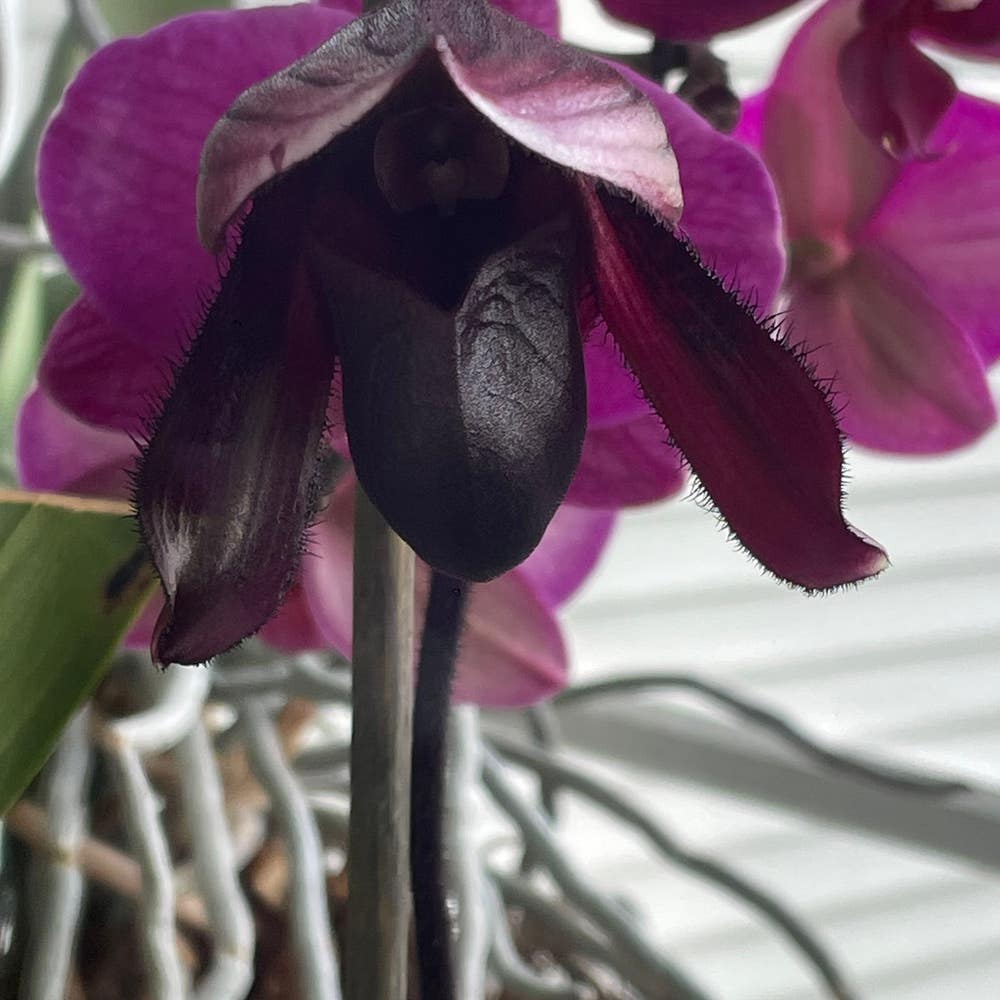
What truly sets Paphiopedilum 'Magic Cherry' apart is its distinctive flower shape and vibrant color. The unique blooms not only enhance the aesthetic appeal of any garden but also serve as a conversation starter among plant enthusiasts.
Moreover, its adaptability is noteworthy. This orchid flourishes in both indoor settings and shaded outdoor environments, making it a versatile choice for various gardening styles. Unlike some other orchids that may struggle outside their preferred conditions, 'Magic Cherry' proves to be a resilient option for gardeners looking to diversify their plant collections.
As we explore the legal and environmental considerations surrounding this orchid, it’s essential to understand its role in promoting sustainable gardening practices.
Legal and Environmental Considerations
Classifications and Guidelines 🌱
When cultivating orchids like Paphiopedilum 'Magic Cherry', it's essential to check local regulations. Some areas may have specific guidelines to ensure responsible gardening practices.
Understanding the conservation status of non-invasive species is crucial. Maintaining these plants in gardens helps protect local ecosystems and promotes biodiversity.
Sustainable Practices ♻️
Non-invasive plants, such as Paphiopedilum 'Magic Cherry', offer significant benefits. They enhance biodiversity and minimize the risk of ecological disruption in your garden.
Responsible sourcing is key to supporting healthy ecosystems. By caring for these orchids, you contribute to a balanced environment that thrives on diversity and sustainability.
As you plan your garden, consider how these practices can make a positive impact. Transitioning to sustainable gardening not only benefits your space but also the wider community.
⚠️ Safety First
This content is for general information and may contain errors, omissions, or outdated details. It is not medical, veterinary advice, or an endorsement of therapeutic claims.
Always consult a qualified healthcare professional before using any plant as food, medicine, or supplement.
Never eat any plant (or feed one to pets) without confirming its identity with at least two trusted sources.
If you suspect poisoning, call Poison Control (800) 222-1222, the Pet Poison Helpline (800) 213-6680, or your local emergency service immediately.
Spotted an error? Please report it here.
Discover the charm of Paphiopedilum 'Magic Cherry' as a biodiversity booster 🌼 in your garden, and let Greg provide tailored care reminders to help your orchid flourish effortlessly!