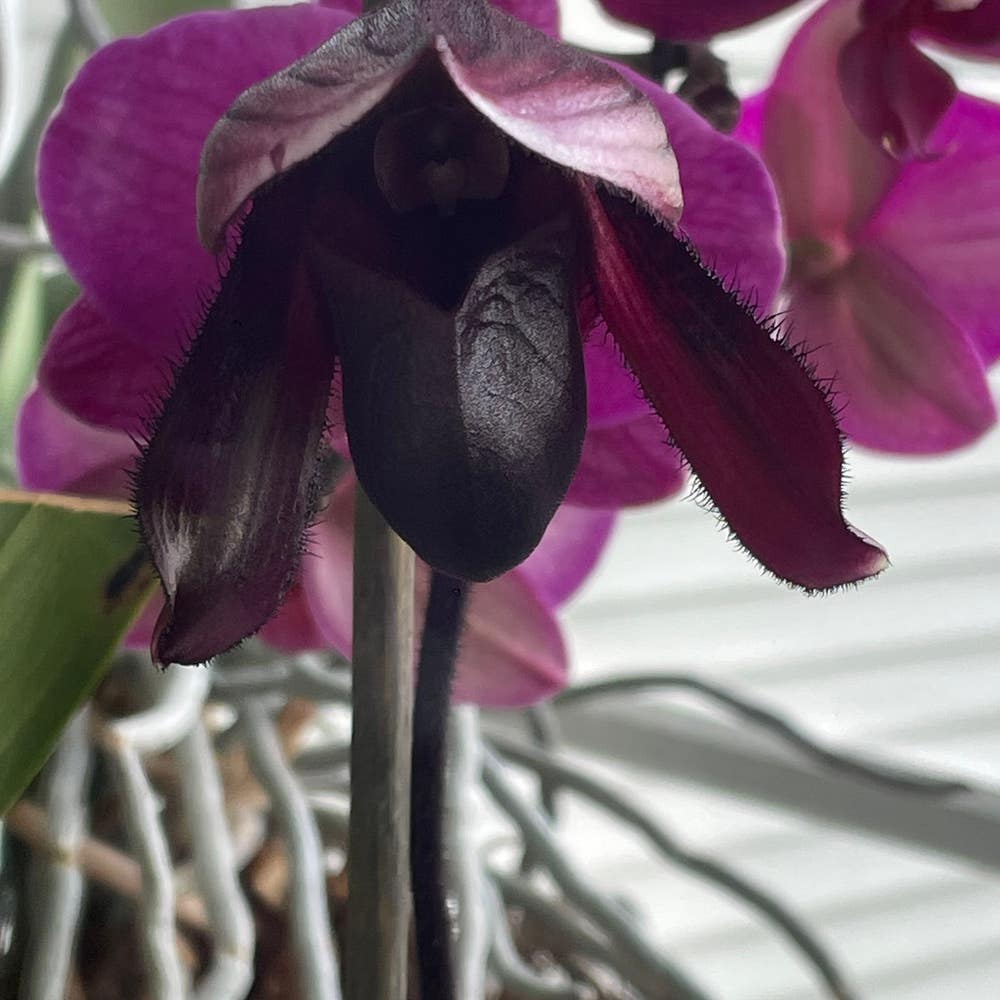
Why Is My Paphiopedilum 'Magic Cherry' Dropping Leaves?
Paphiopedilum 'Magic Cherry'
By the Greg Editorial Team
Mar 31, 2024•4 min read
This article was created with the help of AI so we can cover more plants for you. May contain errors. See one? Report it here.
Stop your cherished Paphiopedilum 'Magic Cherry' from losing leaves 🍂—learn the crucial fixes here!
- 🍂 Leaf drop signals distress; watch for yellowing, wilting, or rapid loss.
- 💧🌱 Overwatering and poor lighting lead to issues; check roots and adjust light.
- 🐛🌿 Regular inspections and balanced feeding prevent pests and nutrient deficiencies.
Spotting the Red Flags: When Leaf Drop Spells Trouble
Leaf drop in Paphiopedilum 'Magic Cherry' can be a natural process or a sign of distress. It's crucial to discern between the two to ensure the health of your orchid.
🚩 Identifying Problematic Leaf Drop
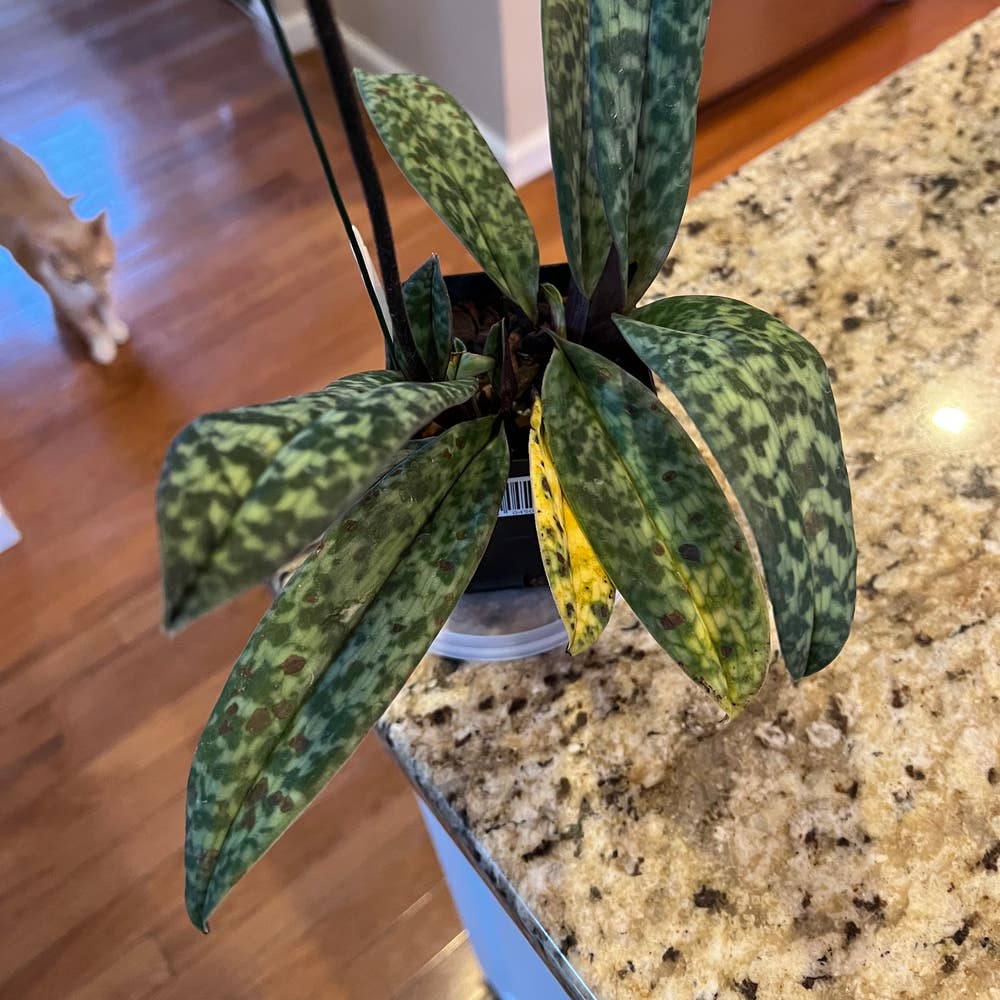
Yellowing, wilting, or a rapid loss of leaves should raise an alarm. While it's normal for older leaves to fall off, young leaves dropping is a clear distress signal. Musty soil, black spots, or a general wilted appearance are not just cosmetic issues; they're cries for help from your plant.
🚨 Recognizing Warning Signs
Look for leaves that have lost their luster or exhibit discoloration. These symptoms often precede leaf loss. If the leaves resemble overcooked spinach or have the texture of soggy paper, it's time to take action. Consistent patterns in leaf shedding typically indicate a natural cycle, but erratic or widespread leaf drop is a red flag that requires immediate attention.
The Usual Suspects: Common Culprits Behind Leaf Drop
💧 Overwatering and Root Issues
Overwatering is the arch-nemesis of Paphiopedilum 'Magic Cherry'. It's a straight path to root rot and the dreaded leaf drop. Check the roots; they should be firm and white, not mushy or brown. If they resemble a horror movie scene, it's time for intervention.
🌞 Light Fiascos
Light is like a double-edged sword for your orchid. Too little, and leaves may droop in protest; too much, and they might recoil. Aim for that Goldilocks zone of brightness, where your orchid basks in just enough light without getting scorched.
🐜 Uninvited Guests: Pest Problems
Pests are like party crashers for your Paphiopedilum 'Magic Cherry'. Aphids, spider mites, and mealybugs love to feast on the leaves. Inspect regularly and show these freeloaders the door with a targeted pest control strategy.
🌿 The Hunger Games: Nutrient Shortfalls
Nutrients are the unsung heroes in the leaf retention saga. A deficiency can send your orchid into a leaf-dropping frenzy. Balance your fertilization game to keep those leaves clinging on for dear life.
Turning Over a New Leaf: Remedies and Prevention
💧 Water Wisdom
Proper hydration is the lifeblood of your Paphiopedilum 'Magic Cherry'. Overwatering is a common misstep, leading to a soggy demise. Check the potting medium before watering; it should be just shy of dry. When you do water, think of it as a thorough rainfall, followed by a drought. Ensure complete drainage to avoid root rot, the silent assassin of orchid health.
☀️ Let There Be (The Right Amount of) Light
Your orchid's leaves are solar panels, craving that perfect amount of sunlight. Too much, and they'll crisp up; too little, and they'll wilt in protest. Aim for bright, indirect light, like the dappled sun of a forest floor. As the seasons change, so should your light strategy. Rotate your plant to give each leaf its time in the limelight, and consider a shade cloth if the sun's too intense.
🐜 Keeping Pests at Bay
Pests are the party crashers of the plant world. Regular inspections are non-negotiable. Spot a bug? Isolate your orchid faster than a sneeze in a silent room. Neem oil is your go-to, like a bouncer for bugs. For snails and slugs, Sluggo is your muscle. Remember, cleanliness is next to pestlessness—keep dead leaves trimmed and the area tidy.
🌿 Feeding for Foliage Fortitude
Nutrition is not to be overlooked. A balanced, water-soluble fertilizer is your orchid's multivitamin. But don't overdo it; think of it as a diet, not an all-you-can-eat buffet. Moderation is key. A well-fed orchid is a resilient one, less likely to shed its leaves in despair. Keep the feeding schedule consistent, adjusting only to the plant's response and growth phases.
⚠️ Safety First
This content is for general information and may contain errors, omissions, or outdated details. It is not medical, veterinary advice, or an endorsement of therapeutic claims.
Always consult a qualified healthcare professional before using any plant as food, medicine, or supplement.
Never eat any plant (or feed one to pets) without confirming its identity with at least two trusted sources.
If you suspect poisoning, call Poison Control (800) 222-1222, the Pet Poison Helpline (800) 213-6680, or your local emergency service immediately.
Spotted an error? Please report it here.
Banish the guesswork when your Paphiopedilum 'Magic Cherry' starts to shed leaves—diagnose 🕵️♂️ the cause with Greg's PlantVision and get a custom watering plan for lush, healthy growth.