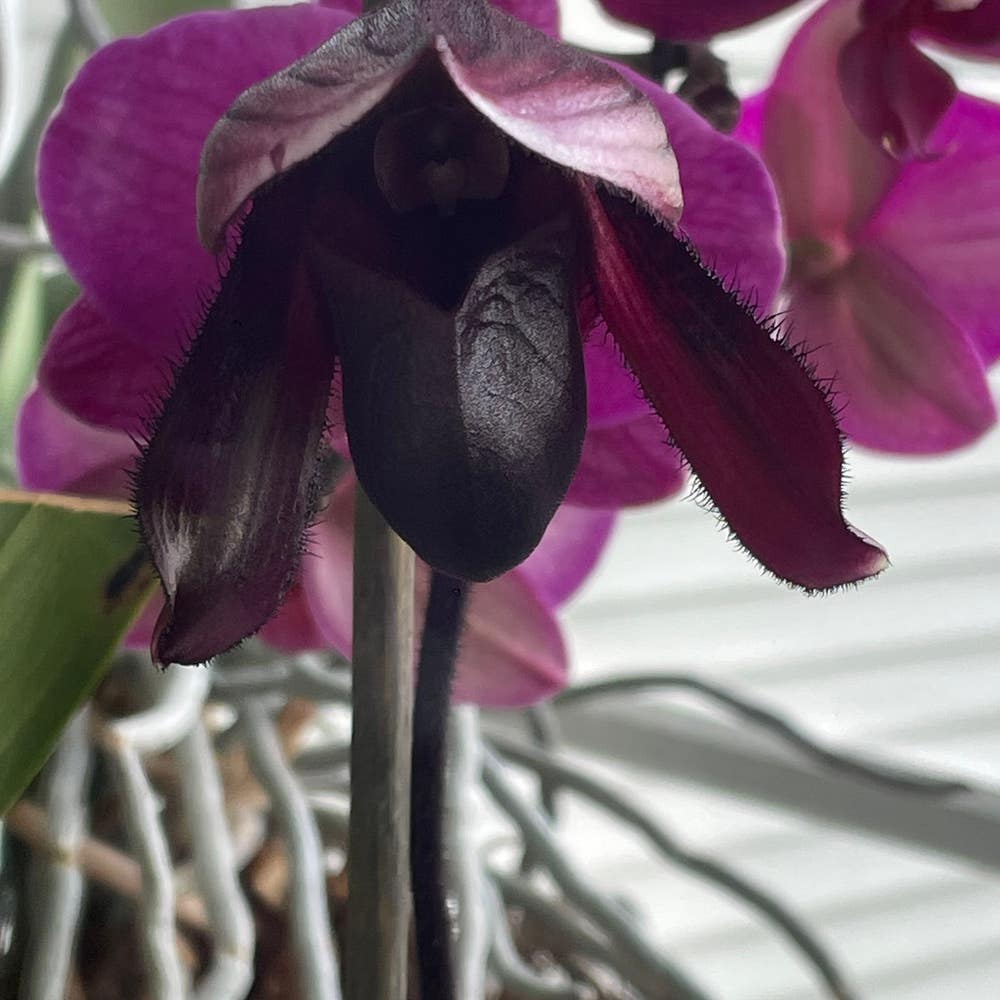
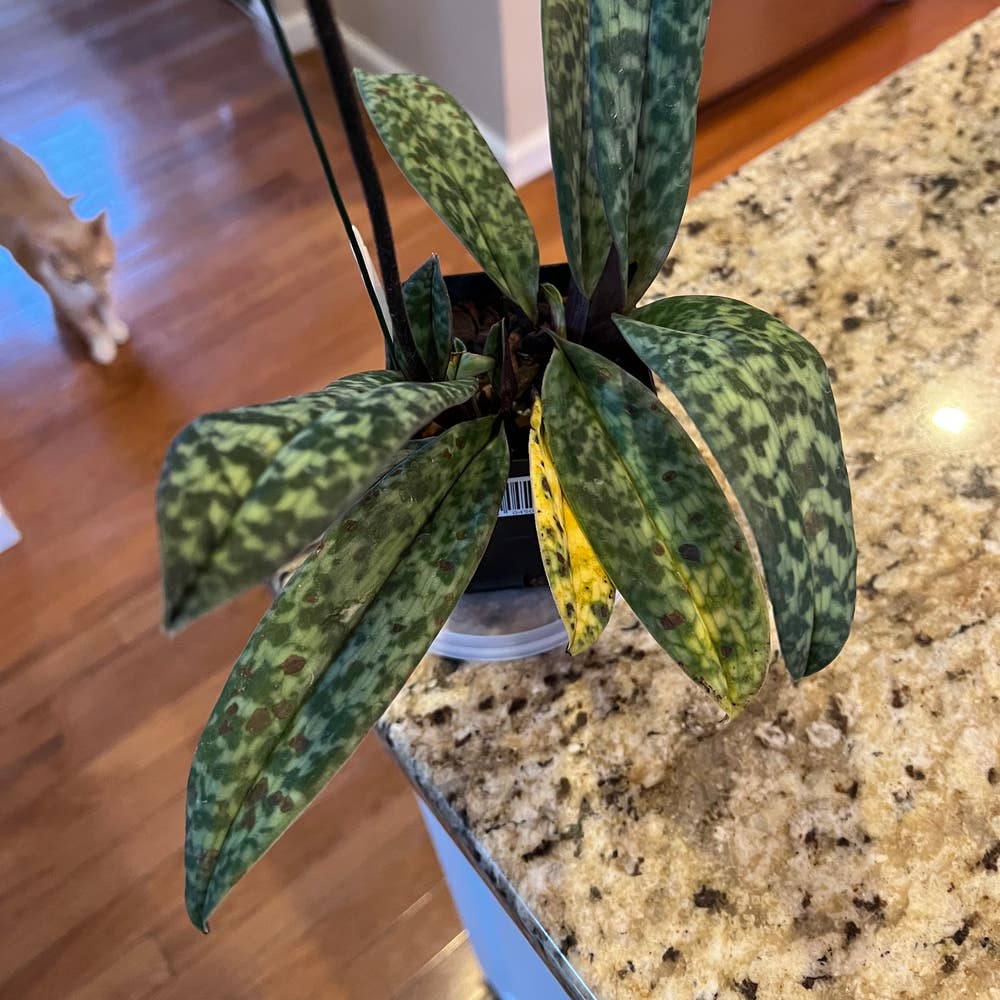
Propagating Paphiopedilum 'Magic Cherry': The Ultimate Guide
Paphiopedilum 'Magic Cherry'
By the Greg Editorial Team
Mar 31, 2024•5 min read
This article was created with the help of AI so we can cover more plants for you. May contain errors. See one? Report it here.
Propagate your 'Magic Cherry' orchids 🌸 like a pro with this ultimate guide—bloom your collection to new heights!
- Spring division preferred, but timing can be flexible with proper care.
- 🌡️💧 Perfect environment is key—monitor temperature, humidity, and light closely.
- Sterilize tools and use fungicide to protect new orchids post-division.
Propagation Methods
🌱 Division: Multiplying Your Orchids
🕰️ When to wield the scissors: Timing your division
Spring is the optimal time for division, aligning with the Paphiopedilum 'Magic Cherry's natural growth spurt. If your orchid is overcrowded, though, don't hesitate to divide at other times, but keep a close eye on its recovery.
🛠️ Tools of the trade: What you'll need
Sterilized scissors or a sharp knife are crucial to prevent disease transmission. Have fungicide on hand to treat cut surfaces, reducing the risk of rot and infection.
📝 Step-by-step: Dividing your Paphiopedilum 'Magic Cherry'
- Gently remove the orchid from its pot, being mindful of the roots.
- Identify sections with at least one pseudobulb and a healthy root system.
- With a steady hand, cut through the rhizome to separate the sections.
- Dust cuts with fungicide to protect your new orchids.
🌱 Aftercare: Ensuring divided plants thrive
Re-pot each division in fresh mix, water sparingly, and place in bright, indirect light. Monitor moisture levels and wait for signs of new growth, which signal a successful division.
🌿 Back Bulb Propagation: Giving Old Bulbs New Life
👀 Spotting potential: Choosing the right back bulbs
Select leafless, old back pseudobulbs that may not have flowered. These have the potential to sprout new life under the right conditions.
🛁 Prepping for success: How to prepare back bulbs
Remove these bulbs during repotting. Clean them up and consider a soak in rooting hormone to kickstart growth.
🌱 Planting pointers: Potting and caring for back bulbs
Plant bulbs in a mix of orchid bark and sphagnum moss. Keep them humid and warm to encourage rooting, which could take a couple of years.
🌱 Seed Propagation: Starting from Scratch
🌱 The challenge of seeds: Understanding the complexity
Paphiopedilum 'Magic Cherry' seeds are as fine as dust and require a sterile environment to germinate—this is not for the faint of heart.
🌱 Sowing the future: Techniques for planting Paphiopedilum 'Magic Cherry' seeds
Plant seeds in a nutrient-rich agar medium under sterile conditions. This mimics their natural symbiosis with fungi in the wild.
👶 Baby steps: Caring for seedlings and troubleshooting common issues
Maintain high humidity and filtered light. Be patient—seedlings take time to develop and are sensitive to changes. Address issues like mold or poor growth promptly to keep these babies on track.
Creating the Perfect Propagation Environment
🌡️ Building a Propagation Haven: Temperature, Humidity, and Light
To kickstart your Paphiopedilum 'Magic Cherry' propagation, temperature is your first port of call. Aim for a cozy range that mimics a tropical climate without turning your space into a sauna.
Humidity is the silent partner in crime to temperature. High humidity is essential, but don't let it escalate to rainforest levels. A plastic cover can work wonders to trap moisture, but remember to air out to prevent mold.
For light, think bright but not blinding. Direct sunlight is a no-go; it's the equivalent of putting your plant under a magnifying glass on a sunny day. Bright, indirect light will keep your orchids from throwing a fit.
🌡️ Keeping Conditions Optimal: Monitoring and Adjustments
Invest in a hygrometer; it's like a weather station for your plants. Monitoring your propagation environment is not a set-it-and-forget-it deal. It's more like babysitting a toddler—constant vigilance is key.
Airflow is the unsung hero. Good circulation keeps the dreaded fungal spores at bay, so make sure your setup isn't as stagnant as last week's pond water.
Regular check-ins are your best defense against propagation pitfalls. If your plants are looking more down than a Monday morning, it's time to tweak the environment. Too hot, too cold, too drafty—small changes can have big impacts.
Remember, consistency is your mantra. Keep the conditions stable, and you'll be the proud parent of new Paphiopedilum 'Magic Cherry' plants before you know it.
After Propagation: What's Next?
🌱 Watching for Growth: Signs of Successful Propagation
After the meticulous process of propagation, vigilance becomes your best friend. New growth is the telltale sign that your Paphiopedilum 'Magic Cherry' is embracing its new beginning. Look for fresh shoots and leaves unfurling like flags of triumph. These are the visual high-fives indicating that your efforts are bearing fruit. But don't break out the bubbly just yet; these early stages are critical and require your undivided attention.
🌿 Transitioning to Normal Care: Integrating New Plants into Your Collection
Once your orchids flaunt their new growth, it's time to shift gears. Gradually introduce them to their forever homes, acclimating them to the light levels and temperatures they will encounter in the long term. This phase is akin to a soft launch before a grand opening; you're setting the stage for a seamless transition into standard care routines.
🌍 Acclimatization Tactics
Begin by hardening off your plants if they're destined for life beyond the indoor sanctuary. This means exposing them to the elements in controlled doses, preparing them for the full experience of their natural habitat. It's a bit like prepping a diver for the depths of the sea – a gradual decrease in pressure ensures no bends.
🧐 Ongoing Observation
Keep a close eye on your fledgling plants, ready to tweak their care as needed. If leaves start to droop or yellow, it's a sign to reassess water, light, or nutrients. Think of it as a continuous dialogue with your plants; they're telling you what they need, and you're responding in kind. It's less about sticking to a rigid care schedule and more about adapting to the dynamic needs of your living green charges.
🌺 Integration into the Collection
Finally, as your Paphiopedilum 'Magic Cherry' plants mature, they'll become part of the broader tapestry of your collection. This is where your nurturing shifts from the intensive care of the ICU to the general ward. Your plants are now ready to join the ranks, contributing to the biodiversity and beauty of your orchid ensemble.
⚠️ Safety First
This content is for general information and may contain errors, omissions, or outdated details. It is not medical, veterinary advice, or an endorsement of therapeutic claims.
Always consult a qualified healthcare professional before using any plant as food, medicine, or supplement.
Never eat any plant (or feed one to pets) without confirming its identity with at least two trusted sources.
If you suspect poisoning, call Poison Control (800) 222-1222, the Pet Poison Helpline (800) 213-6680, or your local emergency service immediately.
Spotted an error? Please report it here.
Ensure your Paphiopedilum 'Magic Cherry' thrives from division to mature bloom with Greg's 🌱 tailored reminders for each step of your orchid's journey.