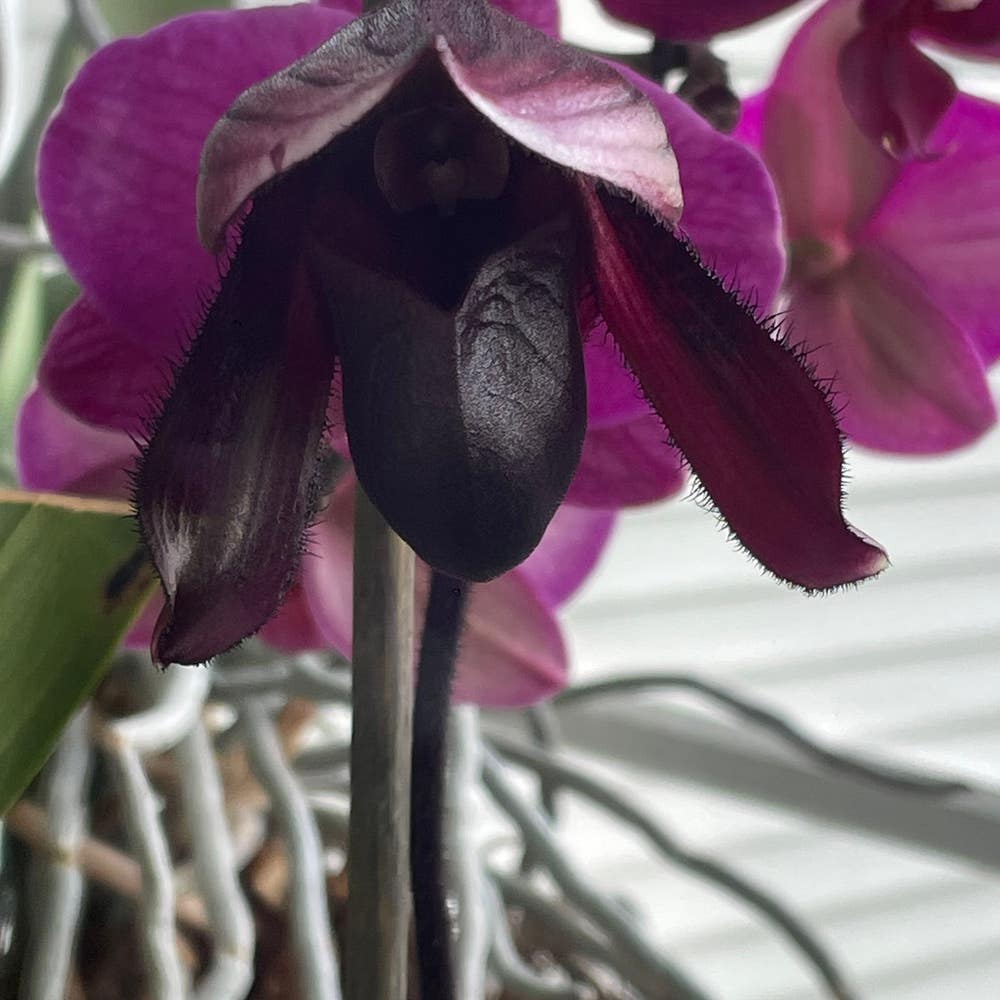
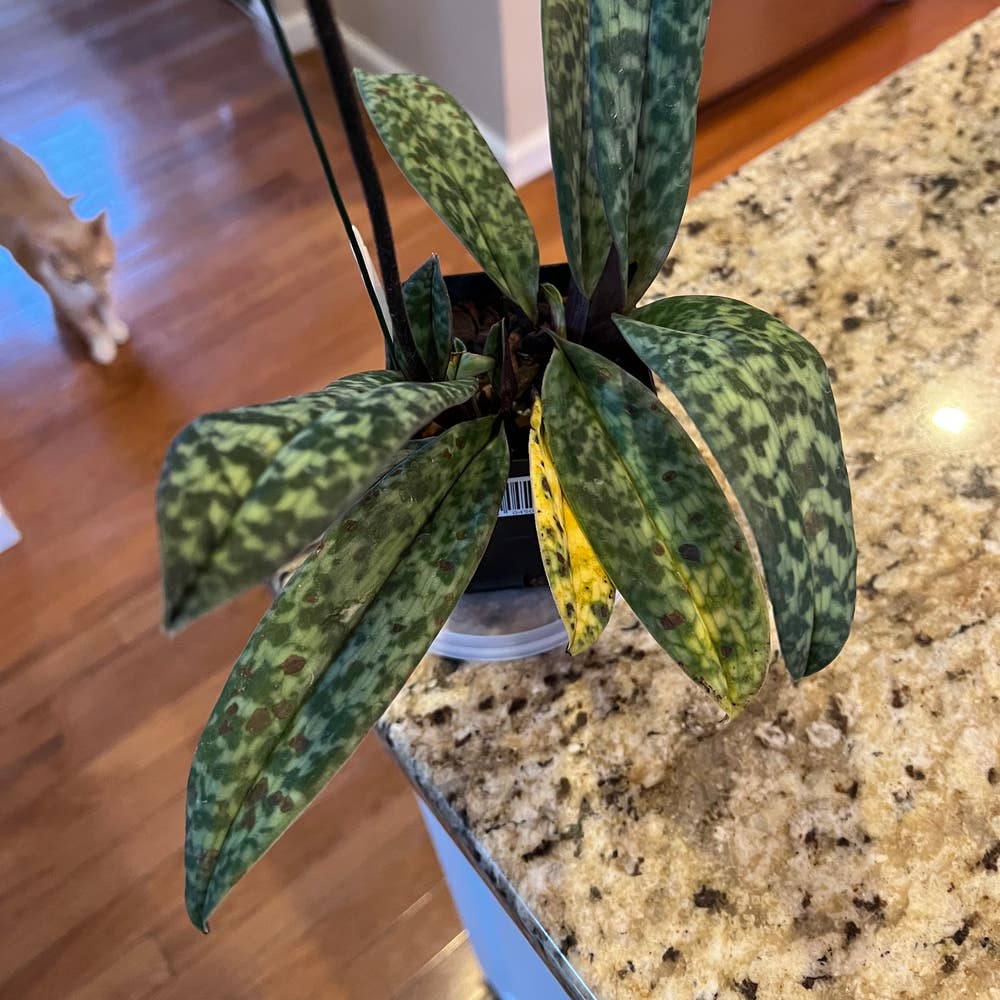
Light Requirements For Your Paphiopedilum 'Magic Cherry'
Paphiopedilum 'Magic Cherry'
By the Greg Editorial Team
Mar 31, 2024•4 min read
This article was created with the help of AI so we can cover more plants for you. May contain errors. See one? Report it here.
Nurture your 'Magic Cherry' orchid to perfection with tailored light tips for year-round blooms. 🌱🌞
- East or west-facing windows best for gentle light exposure.
- Sheer curtains filter harsh rays, balancing light and shade.
- Grow lights can substitute sunlight, especially in winter.
Basking in the Perfect Glow: Indoor Light Mastery
🌞 Finding the Sweet Spot Indoors
Positioning your Paphiopedilum 'Magic Cherry' is a bit like a game of chess; every move matters. East or west-facing windows are your best bet, offering a gentle mix of morning or afternoon light without the harsh midday sun.
The intensity of light through your windows fluctuates, peaking at midday. Monitor these changes to avoid the risk of light-induced stress on your 'Magic Cherry'.
⛅️ Filtering Sunshine Indoors
Sheer curtains are the unsung heroes in the world of indoor orchid care, acting as a barrier against harsh rays. They help maintain a balance of light and shade, which is crucial for the 'Magic Cherry's' growth.
Rotate your plant regularly to ensure even exposure. This simple act can prevent your orchid from developing a one-sided growth pattern, keeping it well-proportioned and robust.
Embracing the Great Outdoors: Natural Light for 'Magic Cherry'
🌞 Selecting the Ideal Outdoor Spot
Outdoor light is a dynamic force, changing with the seasons and the time of day. To find the ideal spot for your 'Magic Cherry', observe the shading patterns in your garden. Morning light is gentle and beneficial, while the afternoon sun can be a bit of a bully. Seasonal shifts also dictate the plant's placement; what's perfect in spring may scorch leaves in summer.
🛡️ Protecting from the Elements
Shielding your 'Magic Cherry' from excessive sunlight is crucial. Think of it as setting up an umbrella at the beach. Use natural elements like trees or artificial structures like pergolas to create a protective canopy. Keep an eye on your plant; if it starts to look like it's had too much sun, it's time to move it to a shadier spot. Remember, the goal is to mimic the plant's natural habitat, where it would receive dappled sunlight.
Boosting Blooms with Light: Flower Power
💡 Light's Role in Flowering
Light duration and intensity are pivotal for the Paphiopedilum 'Magic Cherry' to enter its blooming phase. To coax your orchid into showcasing its flowers, consider the lighting as a controllable element. If your 'Magic Cherry' is stingy with blooms, it might be craving more light. On the flip side, if the leaves are showing signs of light stress, it's time to dial it down.
Adjusting light conditions is a delicate art. Bright, indirect light is the sweet spot for triggering the 'Magic Cherry' blooms. For those growing indoors, without the luxury of perfect natural light, grow lights can be a game-changer. Opt for LED lights that emit red wavelengths to satisfy your orchid's craving for the right kind of light.
💡 Adjusting Light to Promote and Extend the Flowering Season
To extend the 'Magic Cherry's' flowering season, gradual changes in light exposure are key. Think of it as a gentle nudge rather than a shove. A sudden increase in light can be as harmful as a sunburn, leaving you with a plant that's all leaves and no flowers.
Monitoring and tweaking the light exposure can make all the difference. Use a timer for consistency, especially if you're supplementing with grow lights. Remember, the goal is to mimic the natural light cycles of longer spring and summer days or shorter autumn and winter ones.
Keep in mind that while light is the maestro, it's not a solo act. Nutrients and watering play supporting roles. Stick to a balanced, half-strength fertilizer to avoid overwhelming your orchid. Overfeeding can backfire, leaving you with a lush plant that refuses to bloom.
Grow Lights: The Indoor Sun Substitute
💡 Deciding If Grow Lights Are Necessary
Your Paphiopedilum 'Magic Cherry' might be giving you the silent treatment if it's not getting enough light. Look for signs like lackluster leaves or a general lack of vigor. If your space is more cave than conservatory, especially during those dreary winter months, it's time to consider grow lights.
💡 Choosing and Using Grow Lights
LED grow lights are your plant's BFF, offering a full spectrum of light without turning your living room into a sauna. They're energy-efficient, long-lasting, and won't spike your electricity bill into the stratosphere. Fluorescent lights are the wallet-friendly alternative, still capable of getting the job done.
When setting up, think of your grow lights as a miniature sun. Position them overhead to mimic the natural path of sunlight. Use a timer to automate 12-14 hours of light, ensuring your 'Magic Cherry' gets its beauty sleep in the dark. Keep an eye on your orchid's response and adjust the intensity or duration as needed. Remember, it's about finding that sweet spot where your orchid feels like it's sunbathing on a tropical beach, minus the risk of a sunburn.
⚠️ Safety First
This content is for general information and may contain errors, omissions, or outdated details. It is not medical, veterinary advice, or an endorsement of therapeutic claims.
Always consult a qualified healthcare professional before using any plant as food, medicine, or supplement.
Never eat any plant (or feed one to pets) without confirming its identity with at least two trusted sources.
If you suspect poisoning, call Poison Control (800) 222-1222, the Pet Poison Helpline (800) 213-6680, or your local emergency service immediately.
Spotted an error? Please report it here.
Achieve blooming brilliance 🌟 for your Paphiopedilum 'Magic Cherry' with Greg's custom light reminders and care tips, ensuring your orchid thrives in just the right glow.