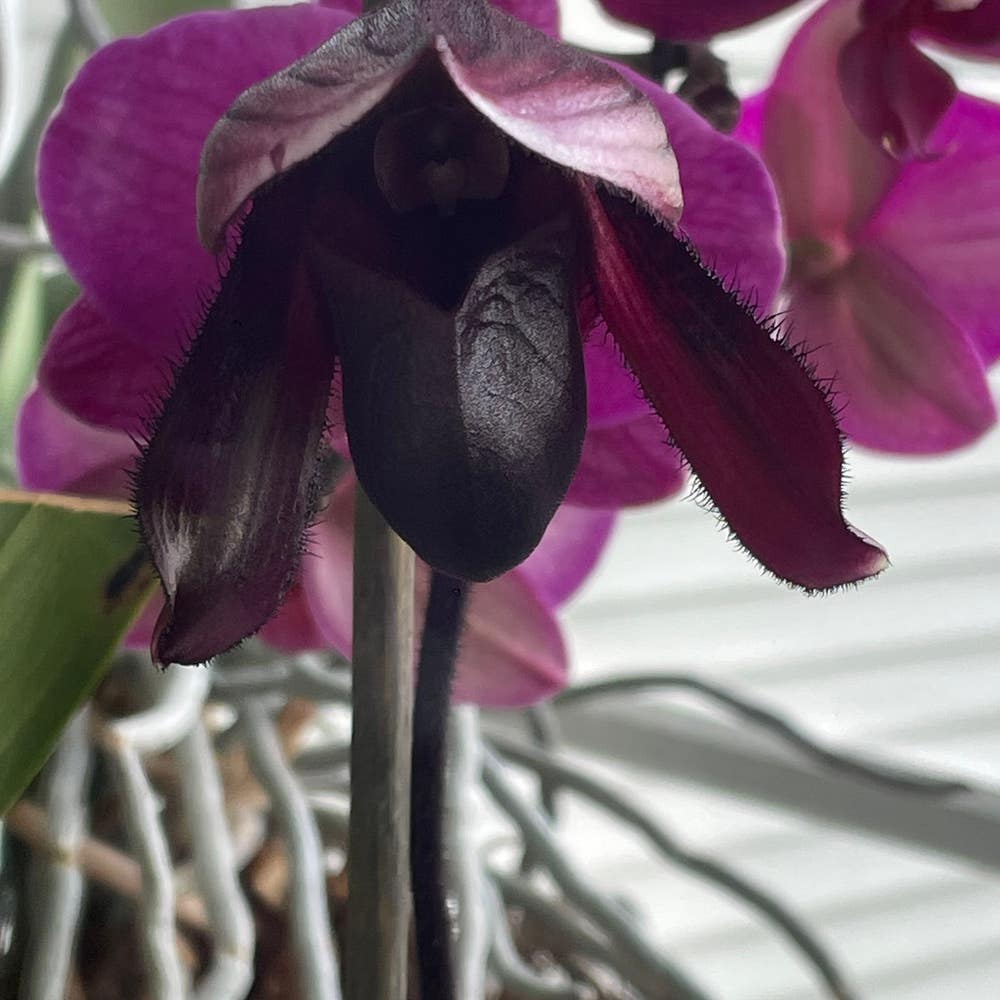
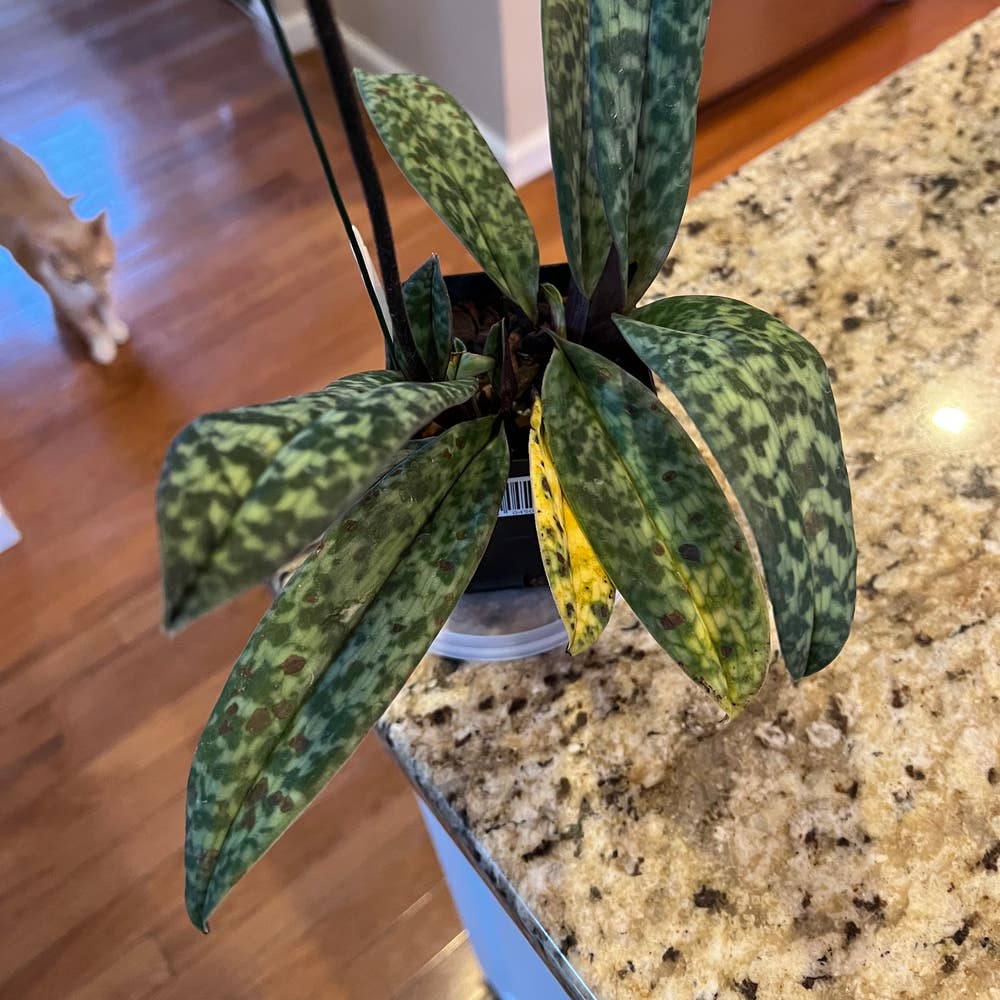
Why Are My Paphiopedilum 'Magic Cherry' Leaves Mushy?
Paphiopedilum 'Magic Cherry'
By the Greg Editorial Team
Mar 31, 2024•4 min read
This article was created with the help of AI so we can cover more plants for you. May contain errors. See one? Report it here.
Rescue your 'Magic Cherry' from mushy leaves and ensure its vibrant health with these key insights! 🍒🌿
- Mushy leaves mean distress, look for discoloration and feel for softness.
- 🚫 Overwatering and poor drainage are key culprits; ensure proper soil moisture.
- ✂️ Combat root rot by cutting rotten roots and using well-draining soil.
Spotting the Trouble: Signs Your 'Magic Cherry' Leaves Are Too Mushy
🚨 Visual Cues: What Does Mushiness Look Like?
Discoloration is your plant waving a red flag. Leaves that should be a vibrant green turning yellow or brown are not trying out a new look; they're in distress. If they look like overcooked vegetables, that's your cue to take action.
🖐️ Touch and Tell: The Feel of a Healthy vs. Mushy Leaf
A healthy 'Magic Cherry' leaf should resist your poke like a firm mattress. If it feels like you're pressing into a ripe peach, you've got mush on your hands. Leaves should snap back, not stick to your fingers like they're begging for mercy.
🌱 Beyond the Leaf: Other Symptoms to Watch For
Mushiness doesn't like to party alone. Look for brown spots, yellow halos, or a general sense of droopiness in your plant's demeanor. If the stems are soft or the plant smells like it's been left in the back of the fridge, you're likely dealing with a case of root rot. Remember, a mushy leaf isn't just a minor inconvenience; it's a cry for help.
The Usual Suspects: Pinpointing the Causes of Mushiness
💦 Too Much Love: The Overwatering Connection
Overwatering is like a smothering hug for your 'Magic Cherry' orchid. Leaves that feel like overcooked pasta are screaming for you to back off with the watering can. If the pot weighs a ton and the soil smells like a wet dog, you've crossed the line from attentive to overbearing.
🚰 When Water Can't Escape: The Role of Poor Drainage
Poor drainage is the equivalent of a clogged sink in your plant's pot. It's a silent killer, turning your orchid's home into a marshland. If your pot's as sealed as a vault, it's time to rethink your setup. Roots need air, not a full-time soak.
🕵️ Under the Surface: Root Rot as a Hidden Culprit
Root rot is the grim reaper lurking beneath the soil. It's a sneaky beast, thriving in the dampness caused by your overzealous watering. When roots turn into a brown mush and emit a stench of decay, it's a clear sign that they're in dire straits. Remember, healthy roots should be white and firm, not resemble something from a horror movie.
First Aid for Mushy Leaves
💧 Watering Woes: Finding the Sweet Spot for Hydration
Overwatering is the fast track to mushy leaves. Your 'Magic Cherry' is pleading for moderation. Before you water, do the finger test: plunge into the soil up to your first knuckle. If it's damp, hold off on the H2O. A moisture meter can be your sidekick here, signaling a green light when the top inch of soil is dry. Remember, your plant's thirst varies with the seasons—water less in winter.
🚰 Drainage Do-Over: Tweaking Your Potting Setup
If your pot's more sealed than Swiss cheese, it's time for a change. Opt for a pot with drainage holes that would make a colander proud. Mix it up with a soil blend of peat, pine bark, and perlite or coarse sand. This trio ensures quick drainage and prevents your orchid's roots from stewing in moisture. A layer of gravel at the pot's base? That's your drainage booster pack.
🩹 Root Revival: Steps to Take If Root Rot Has Set In
When roots go from firm to mush, it's surgery time. With sterilized shears, cut away the rotten bits. Let the healthy roots air out before you repot in fresh, well-draining soil. If the rot has spread like a bad rumor, consider using a fungicide, but choose wisely—copper-based for fungi, bactericide for bacteria. Post-op, monitor your plant like it's the season finale of your favorite show.
Keeping Leaves Firm and Healthy
💧 Perfecting Your Watering Technique
Watering your Paphiopedilum 'Magic Cherry' is less about sticking to a strict schedule and more about observing your plant's needs. Check the top inch of soil; if it's dry, it's time to water. If it's damp, hold off. Remember, overwatering is a fast track to mushy leaves.
🌱 Choosing Containers and Mediums
Selecting the right container is crucial. Terra cotta pots with drainage holes are ideal—they're like breathable homes for your orchid's roots. For the potting medium, mix in perlite or coarse sand to ensure it's well-draining and airy.
👀 Regular Checks to Ward Off Mushiness
Vigilance is key. Regularly inspect your orchid for signs of overwatering, like a private detective on a stakeout. Use tools like moisture meters to stay on top of your plant's hydration levels. And don't forget to check for pests and diseases; they're sneaky and can contribute to leaf mushiness.
⚠️ Safety First
This content is for general information and may contain errors, omissions, or outdated details. It is not medical, veterinary advice, or an endorsement of therapeutic claims.
Always consult a qualified healthcare professional before using any plant as food, medicine, or supplement.
Never eat any plant (or feed one to pets) without confirming its identity with at least two trusted sources.
If you suspect poisoning, call Poison Control (800) 222-1222, the Pet Poison Helpline (800) 213-6680, or your local emergency service immediately.
Spotted an error? Please report it here.
Avoid the mushiness mishap in your 'Magic Cherry' by using Greg to monitor moisture 🌱 and get reminders for the perfect watering rhythm.