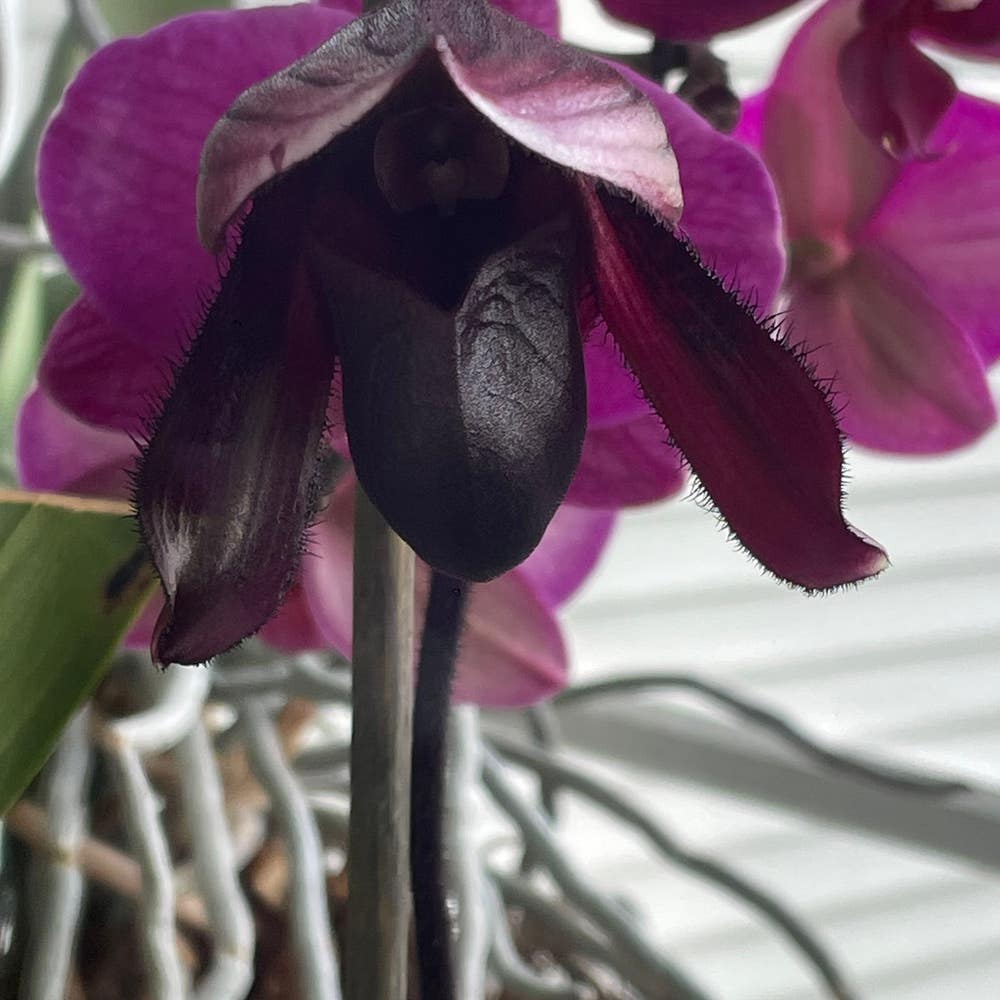
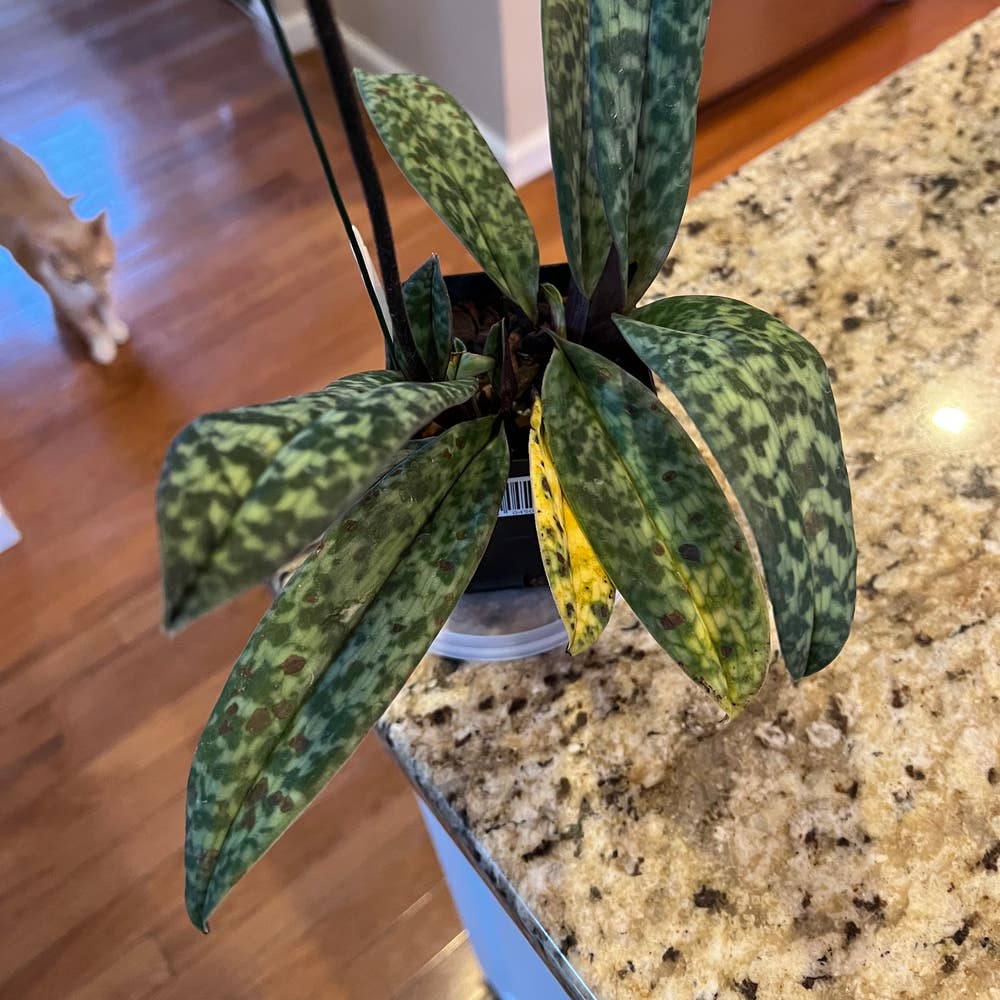
🌸 4 Indoor Paphiopedilum 'Magic Cherry' Care Dos and Don'ts
Paphiopedilum 'Magic Cherry'
By the Greg Editorial Team
Oct 02, 2024•4 min read
This article was created with the help of AI so we can cover more plants for you. May contain errors. See one? Report it here.
Transform your Paphiopedilum 'Magic Cherry' into a stunning centerpiece with these essential care tips! 🌸
- 🌞 Bright, indirect sunlight is essential for Paphiopedilum 'Magic Cherry' growth.
- 💧 Water when the top inch is dry; avoid overwatering to prevent root rot.
- 🌬️ Maintain humidity and air circulation for optimal health and to prevent diseases.
Light Requirements
Light Needs 🌞
Paphiopedilum 'Magic Cherry' thrives in bright, indirect sunlight, ideally around 1000-2000 foot-candles. Direct sunlight can scorch its delicate leaves, stunting growth and diminishing its beauty.
Indoor Light Levels 🪟
For optimal indoor conditions, place your plant near east or west-facing windows. Sheer curtains can help diffuse harsh sunlight, creating a gentle glow that your orchid will love.
Grow Light Considerations 💡
If natural light is lacking, grow lights are a fantastic way to supplement. LED grow lights with a full spectrum are the best choice, providing the necessary light for healthy growth.
Maintain a distance of 12-18 inches from the plant to prevent overheating. This setup ensures your Paphiopedilum receives the light it craves without the risk of damage.
With the right light conditions, your 'Magic Cherry' will flourish, setting the stage for the next crucial aspect of care: watering needs.
Watering Needs
Frequency and Techniques 🌊
Watering your Paphiopedilum 'Magic Cherry' is crucial for its health. The general rule is to water when the top inch of the potting mix feels dry.
Aim for a watering schedule of every 7-10 days. Adjust this based on the humidity and temperature in your home to keep your plant thriving.
Monitoring Moisture Levels 👀
Keep an eye out for signs of overwatering, like yellowing leaves and mushy roots. These symptoms indicate that your plant is struggling with too much moisture.
On the flip side, underwatering can lead to wrinkled leaves and dry potting mix. Regular checks will help you catch these issues early.
Water Quality 💧
Using the right water type is essential. Distilled or rainwater is best, as it helps avoid mineral buildup that can harm your plant.
Always use room temperature water to prevent shocking your Paphiopedilum. This small step can make a big difference in its overall health.
With proper watering techniques, your 'Magic Cherry' will flourish beautifully. Next, let’s explore how humidity and temperature control can further enhance its growth.
Humidity and Temperature Control
Humidity Levels 🌧️
Maintaining optimal humidity is crucial for your Paphiopedilum 'Magic Cherry.' Aim for a range of 50-70% to promote healthy growth.
To boost humidity, consider these methods:
- Humidifiers: Set them to maintain your desired humidity levels.
- Pebble trays: Fill trays with water and pebbles, then place your pots on top. This creates a localized humidity boost.
Temperature Preferences 🌡️
Temperature plays a significant role in your plant's health. During the day, keep temperatures between 20-25°C (68-77°F) for optimal growth.
At night, aim for cooler temperatures of 15-18°C (59-65°F). Avoiding drastic temperature fluctuations is essential, as stress from these changes can lead to poor growth and even flower drop.
By ensuring the right humidity and temperature, you set the stage for your Paphiopedilum to thrive. Next, let’s explore the best soil and fertilization practices to keep your plant healthy and vibrant.
Soil and Fertilization
Soil Type 🌱
For your Paphiopedilum 'Magic Cherry', a well-draining orchid mix is essential. This mix typically includes bark, perlite, and sphagnum moss, providing the right balance of aeration and moisture retention.
Fertilization Schedule 🧪
When it comes to fertilization, opt for a balanced orchid fertilizer with a ratio of 30-10-10, diluted to half strength. During the growing season in spring and summer, fertilize every 2-4 weeks to support robust growth.
In the fall and winter, reduce fertilization as the plant enters dormancy. This adjustment helps prevent nutrient buildup and keeps your orchid healthy.
With the right soil and fertilization practices, your Paphiopedilum 'Magic Cherry' will thrive beautifully. Next, let’s explore how to maintain optimal humidity and temperature for your orchid’s growth.
Common Issues and Maintenance
🐛 Pest Prevention Strategies
Pests can be a real headache for your Paphiopedilum 'Magic Cherry.' Common culprits include mealybugs, aphids, and spider mites, which can wreak havoc if left unchecked.
To keep these pests at bay, conduct regular inspections of your plant. Maintaining overall plant health through proper care is your best defense against infestations.
🛠️ Troubleshooting Common Problems
Root rot is a serious concern for orchid lovers. Look out for wilting, yellowing leaves, and mushy roots as telltale signs.
To prevent root rot, ensure your pot has proper drainage and avoid overwatering. If you notice brown or yellow spots on the leaves, it could indicate leaf spots.
Improving air circulation around your plant and avoiding overhead watering can help mitigate these issues.
🌱 Indoor Placement and Environment
Finding the right spot for your Paphiopedilum is crucial. Ideal locations include bright, humid areas like bathrooms or kitchens, where they can thrive.
Don't underestimate the importance of air circulation. Good airflow helps prevent fungal diseases, keeping your plant healthy and vibrant.
With these tips, you'll be well-equipped to tackle common issues and maintain your Paphiopedilum 'Magic Cherry.' Next, let’s explore the best soil and fertilization practices to keep your orchid flourishing.
⚠️ Safety First
This content is for general information and may contain errors, omissions, or outdated details. It is not medical, veterinary advice, or an endorsement of therapeutic claims.
Always consult a qualified healthcare professional before using any plant as food, medicine, or supplement.
Never eat any plant (or feed one to pets) without confirming its identity with at least two trusted sources.
If you suspect poisoning, call Poison Control (800) 222-1222, the Pet Poison Helpline (800) 213-6680, or your local emergency service immediately.
Spotted an error? Please report it here.
Nurture your Paphiopedilum 'Magic Cherry' to bloom beautifully 🌸 with Greg's tailored care reminders that ensure perfect light, water, and humidity for your orchid's success!