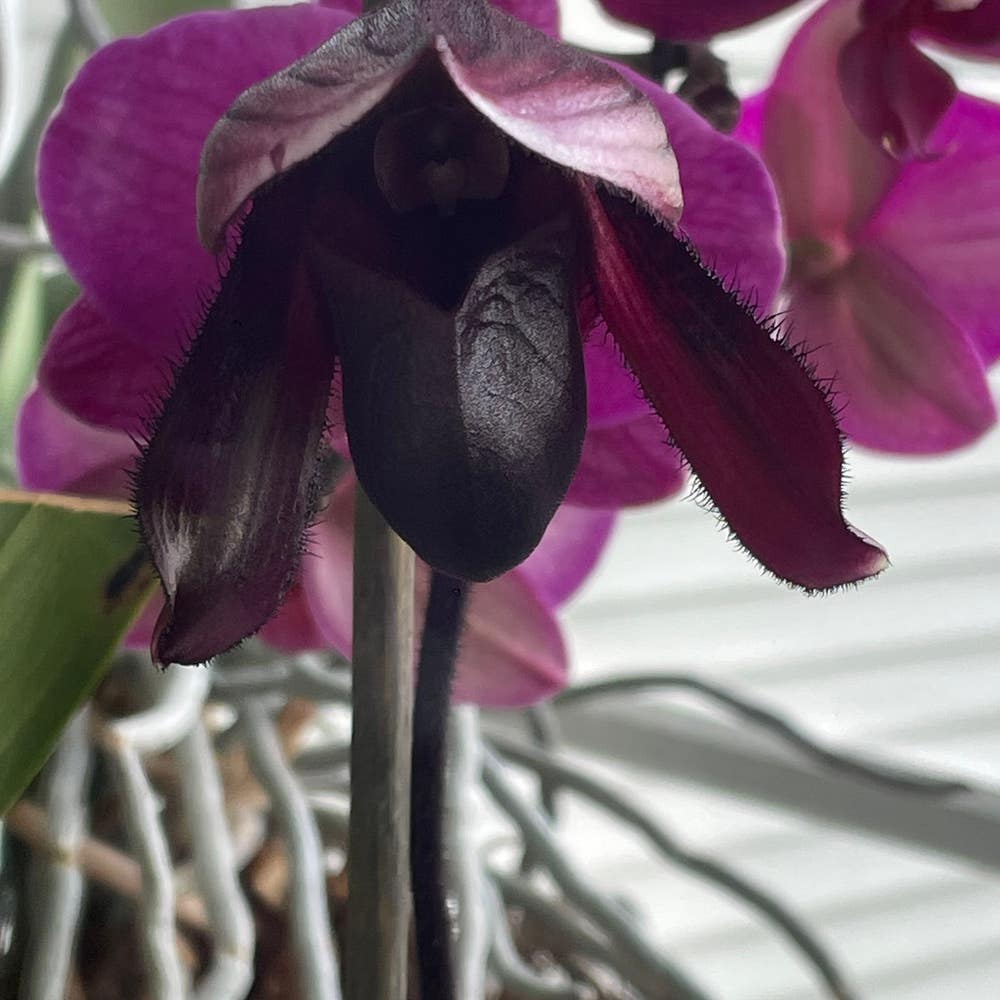
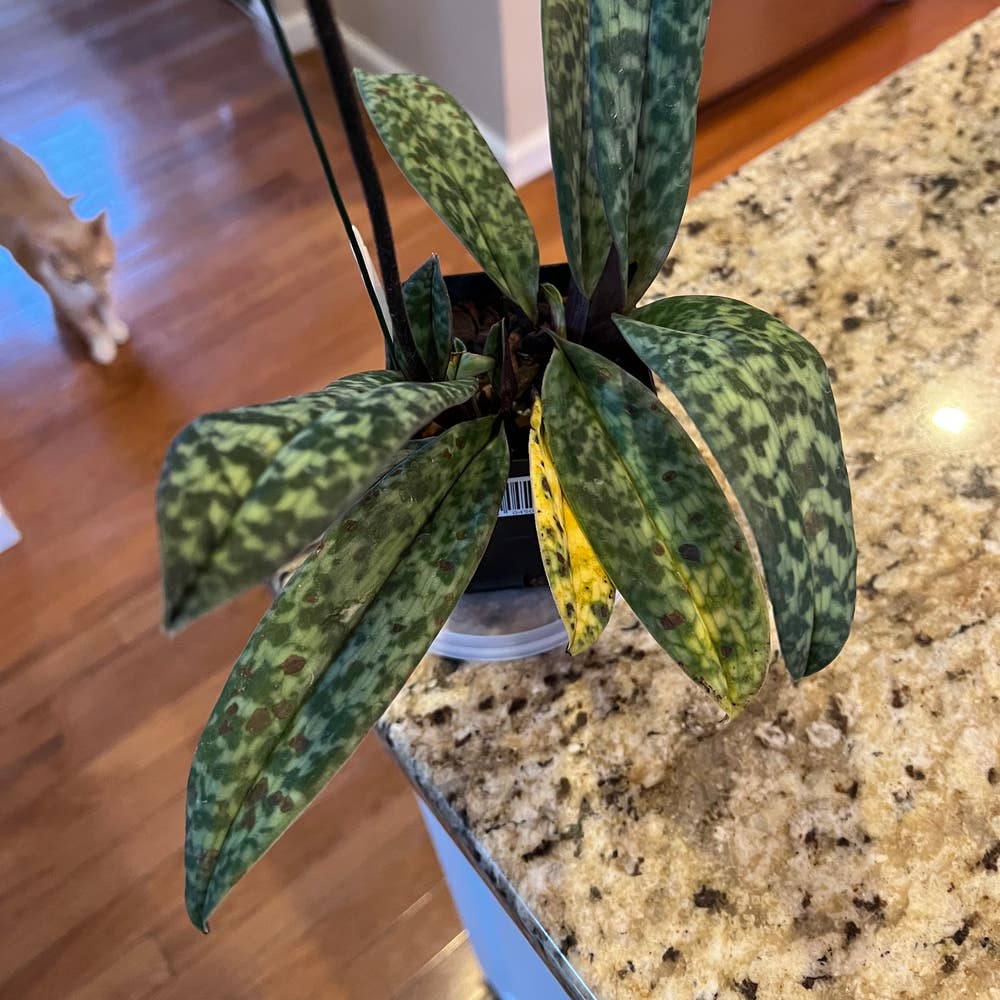
Fertilizing My Paphiopedilum 'Magic Cherry'
Paphiopedilum 'Magic Cherry'
By the Greg Editorial Team
Mar 31, 2024•3 min read
This article was created with the help of AI so we can cover more plants for you. May contain errors. See one? Report it here.
Nurture vibrant 'Magic Cherry' blooms 🌸 with the perfect fertilizer blend and savvy timing tips!
- N-P-K ratio and micronutrients are key for 'Magic Cherry' health.
- Fertilize bi-weekly in growth, monthly or pause in dormancy.
- Dilute fertilizer, avoid overuse to prevent nutrient burn.
Picking the Perfect Fertilizer
💡 The Ideal N-P-K Ratio for 'Magic Cherry'
Navigating the N-P-K ratio is crucial for your Paphiopedilum 'Magic Cherry'. This orchid craves a balanced meal to showcase its stunning blooms. Aim for a 20-20-20 blend during the growth phase, ensuring each element supports the plant's needs: nitrogen for foliage, phosphorus for roots and blooms, and potassium for overall health and disease resistance.
🍽️ Micronutrients: The Secret Sauce for Blooming
Micronutrients are like the spice rack of plant nutrition; they may be used in dashes, but they're pivotal for vibrant health. Iron, manganese, and magnesium are the backstage crew that help your 'Magic Cherry' steal the spotlight. Ensure your fertilizer mix includes these essential elements to witness a truly spectacular bloom.
🛍️ Product Picks: Fertilizers That 'Magic Cherry' Loves
When it comes to product recommendations, your 'Magic Cherry' isn't picky as long as the quality is top-notch. Opt for reputable brands that offer a balanced N-P-K ratio and a comprehensive micronutrient profile. Some orchid-specific options or well-rounded houseplant formulas can do the trick. Just remember, the proof is in the pudding—or in this case, the blooming.
Timing is Everything: When to Fertilize
💪 Growth Phase: Fueling the Bloom Engine
During the growth phase, your Paphiopedilum 'Magic Cherry' is like an athlete in training – it needs regular nutrient boosts to build strength for those stunning blooms. Fertilize every other week with a balanced formula to support leaf, root, and spike development.
💤 Dormancy: The Resting Phase Adjustments
When your orchid hits the dormancy phase, it's time to back off. Think of it as the plant's off-season; it's conserving energy for the next growth spurt. Reduce fertilization to once a month, or even pause it altogether, to avoid overwhelming your resting beauty.
Fertilization Techniques: How to Avoid a Burnout
💧 Step-by-Step Fertilizing Process
Dilution is your orchid's best friend when it comes to fertilization. Mix your chosen fertilizer at half-strength to prevent nutrient overload. Always water your Paphiopedilum 'Magic Cherry' before applying the diluted fertilizer to protect the roots from burning. This method ensures nutrients are delivered gently and effectively. Aim for a fertilization schedule of every 4-6 weeks during the growth phase.
🌱 Potted vs. Mounted: Tailoring Your Approach
For potted 'Magic Cherry', apply the diluted fertilizer directly to the soil, avoiding the leaves as if they were made of fine silk. Ensure any excess is drained to avoid soggy conditions. Mounted orchids, on the other hand, revel in humidity. Daily misting is a must, targeting the roots while sparing the leaves. To prevent salt buildup, regularly flush the mount with distilled water, letting the orchid float like a leaf on a pond. Remember, consistency is key; skipping a week can set you back significantly.
Oops, Too Much! Dealing with Over-Fertilization
🚨 Spotting Trouble: Signs Your Orchid is Over-Fed
Yellowing leaves, brown tips, and a crusty soil surface are the orchid's distress signals. These symptoms suggest your 'Magic Cherry' has had more than its fill of nutrients. If the leaves look burnt or the growth is stunted, it's time to ease up on the fertilizer.
🛠️ The Recovery Plan: Fixing Fertilizer Fiascos
Stop fertilizing immediately—your plant needs a break. Remove any visible fertilizer from the soil's surface. Flush the roots with water to wash away excess nutrients; this is like hitting the reset button for your plant's root system. If the soil is soggy, let it dry out a bit to avoid root rot. Brown or damaged leaves should be trimmed—they're past saving. Consider repotting with fresh soil to give your orchid a fresh start. Patience is key; recovery takes time.
⚠️ Safety First
This content is for general information and may contain errors, omissions, or outdated details. It is not medical, veterinary advice, or an endorsement of therapeutic claims.
Always consult a qualified healthcare professional before using any plant as food, medicine, or supplement.
Never eat any plant (or feed one to pets) without confirming its identity with at least two trusted sources.
If you suspect poisoning, call Poison Control (800) 222-1222, the Pet Poison Helpline (800) 213-6680, or your local emergency service immediately.
Spotted an error? Please report it here.
Achieve vibrant blooms 🌸 for your Paphiopedilum 'Magic Cherry' by tracking its growth phase and fertilization needs with Greg's personalized reminders.