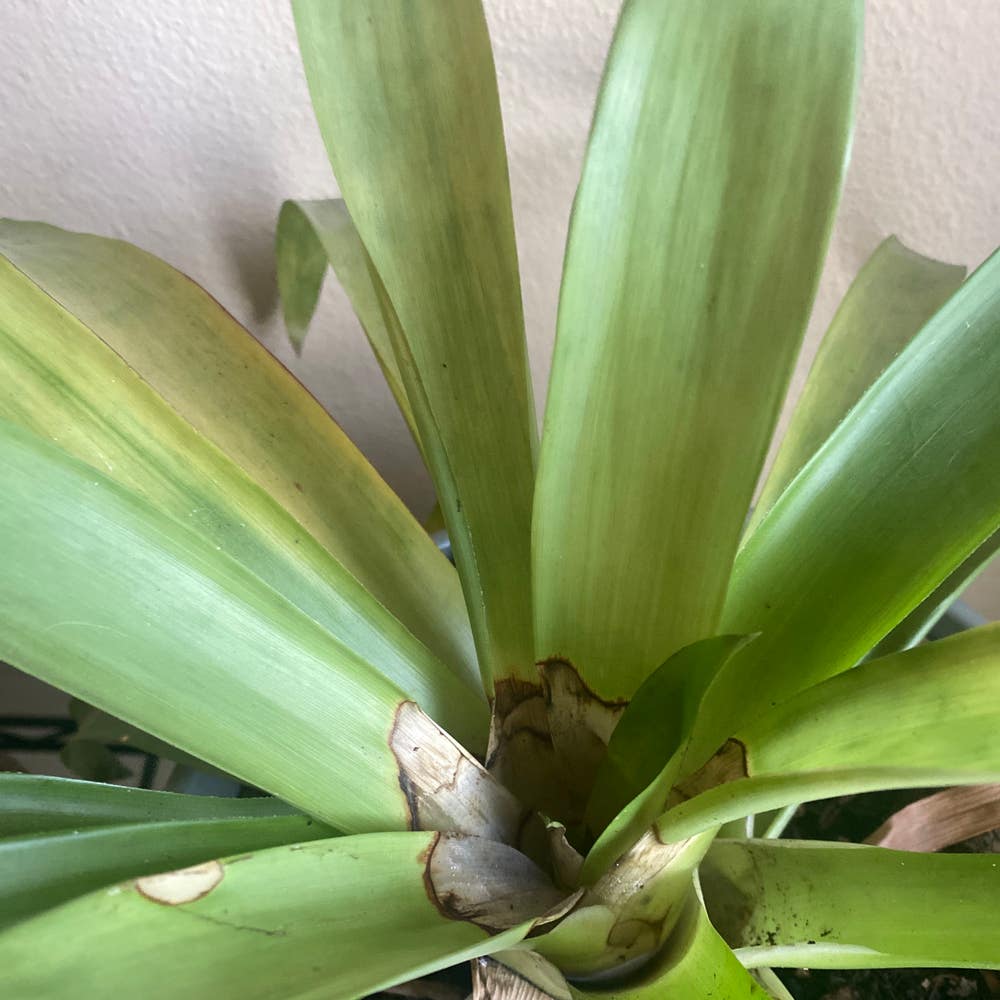
🌺 Best Spot to Plant Your Neoregelia 'Passion'
Neoregelia 'Passion'
By the Greg Editorial Team
Sep 29, 2024•4 min read
This article was created with the help of AI so we can cover more plants for you. May contain errors. See one? Report it here.
Transform your Neoregelia 'Passion' into a vibrant centerpiece with essential tips on light and care! 🌞🌱
- 🌞 Neoregelia 'Passion' thrives in bright, indirect sunlight; avoid direct harsh rays.
- 🌱 Use well-draining soil with a pH of 5.5 to 7.0 for optimal growth.
- 🌬️ Protect from wind and overcrowding to ensure healthy, vibrant plants.
Sunlight Exposure Requirements
Optimal Light Conditions 🌞
Neoregelia 'Passion' thrives best in bright, indirect sunlight. This vibrant plant can also tolerate partial shade, making it a great choice for those hotter climates where direct sun can be too intense.
Signs of Inadequate Light 🚨
If your Neoregelia starts showing stretched growth or faded colors, it’s a clear sign it’s not getting enough light. Keep an eye on these indicators to ensure your plant stays healthy and colorful.
Best Practices for Sun Exposure 🌅
For optimal growth, morning sun is preferable as it helps prevent leaf burn. Additionally, regularly rotating your plants can ensure even light distribution, promoting balanced growth all around.
Summary 📜
By understanding the sunlight needs of your Neoregelia 'Passion', you can create the perfect environment for it to flourish. Next, let’s dive into the soil and drainage needs to keep your plant thriving.
Soil and Drainage Needs
Ideal Soil Type 🌱
For your Neoregelia 'Passion', the right soil mix is crucial. A combination of potting soil, sand, and perlite will provide the necessary aeration.
This blend helps maintain a slightly acidic to neutral pH, ideally between 5.5 and 7.0. Proper soil texture is essential; well-draining soil prevents root rot, ensuring your plant thrives.
Importance of Drainage 🚰
When it comes to container gardening, always opt for pots with drainage holes. This simple feature allows excess water to escape, reducing the risk of overwatering.
For outdoor planting, consider raised beds or mounds to enhance drainage. Watch for signs of poor drainage, such as water pooling around the base or yellowing leaves, which indicate root stress.
By ensuring your Neoregelia has the right soil and drainage, you set the stage for vibrant growth and health. Next, let’s explore how microclimates and environmental factors can further influence your plant's success.
Microclimates and Environmental Factors
Assessing Microclimates 🌤️
Understanding microclimates is essential for the health of your Neoregelia 'Passion.' Start by observing sunlight patterns throughout the day; note where the sun hits and where shadows fall.
Next, consider wind exposure and moisture levels. Areas sheltered by walls or fences can create ideal spots for your plant, providing a more stable environment.
Wind Protection Needs 🌬️
Wind can be a significant stressor for Neoregelia. Planting near windbreaks, such as taller plants or fences, can help shield your bromeliad from harsh gusts.
Keep an eye out for signs of wind damage, like torn leaves or stunted growth. These indicators can help you adjust your plant's location for optimal health.
By assessing microclimates and ensuring wind protection, you set the stage for a thriving Neoregelia. Next, let’s explore how to choose the best spot for your plant, considering its proximity to other plants and structures.
Proximity to Other Plants and Structures
🌱 Companion Planting Considerations
When choosing companion plants for your Neoregelia 'Passion', consider ferns and other shade-tolerant tropical plants. These companions thrive in similar light and moisture conditions, creating a harmonious environment.
The benefits of companion planting are significant. Not only do these plants enhance humidity levels around your Neoregelia, but they also reduce competition for nutrients, promoting healthier growth.
📏 Spacing Requirements
To ensure optimal air circulation, allow at least 12-18 inches between your Neoregelia and neighboring plants. This spacing is crucial for preventing overcrowding, which can lead to increased disease risk and poor growth.
Overcrowding can stifle your plant's potential, leading to stunted growth and a less vibrant appearance. Keeping adequate space allows your Neoregelia to flourish and showcase its stunning foliage.
As you assess the best spot for your Neoregelia, remember that thoughtful placement alongside compatible plants can enhance both aesthetics and plant health. Next, let’s dive into how to assess and choose the best spot for your Neoregelia.
Assessing and Choosing the Best Spot
Steps to Evaluate Potential Sites 🌍
Choosing the right spot for your Neoregelia 'Passion' is crucial for its
⚠️ Safety First
This content is for general information and may contain errors, omissions, or outdated details. It is not medical, veterinary advice, or an endorsement of therapeutic claims.
Always consult a qualified healthcare professional before using any plant as food, medicine, or supplement.
Never eat any plant (or feed one to pets) without confirming its identity with at least two trusted sources.
If you suspect poisoning, call Poison Control (800) 222-1222, the Pet Poison Helpline (800) 213-6680, or your local emergency service immediately.
Spotted an error? Please report it here.
Create the perfect home for your Neoregelia 'Passion' 🌞 with Greg's tailored reminders for light and soil needs, ensuring your plant thrives beautifully!