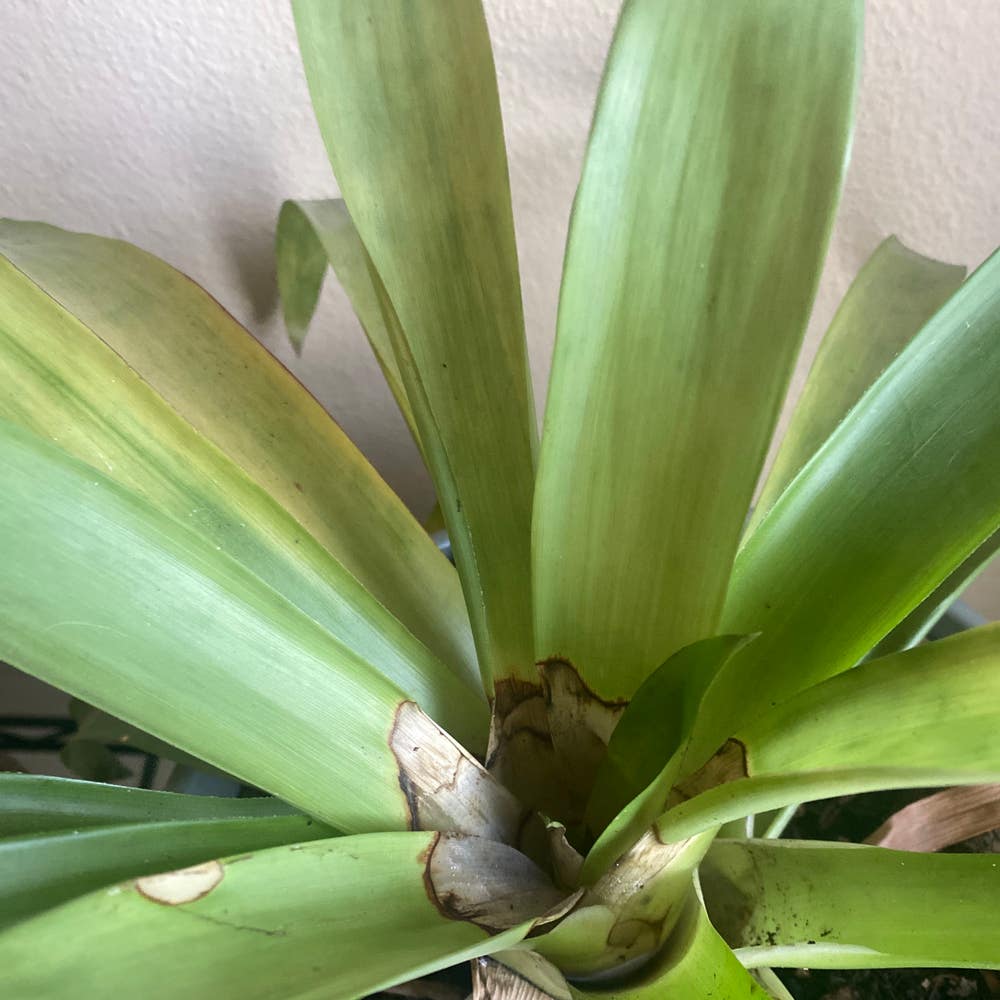
🌸 Neoregelia 'Passion': Not an Annual
Neoregelia 'Passion'
By the Greg Editorial Team
Sep 29, 2024•3 min read
This article was created with the help of AI so we can cover more plants for you. May contain errors. See one? Report it here.
Unlock the secret to a vibrant garden with Neoregelia 'Passion'—a resilient perennial that thrives for years! 🌱
- 🌱 Neoregelia 'Passion' is a perennial, thriving for years, unlike annuals.
- 🌺 Enjoy multiple flowering cycles and offsets for continuous beauty and propagation.
- 🌞 Proper care and understanding enhance longevity and health of this resilient bromeliad.
Neoregelia 'Passion' as a Perennial
🌱 Genetic and Physiological Characteristics
Neoregelia 'Passion' belongs to the Bromeliaceae family, a group known for its stunning foliage and unique adaptations. These plants have evolved traits that enable them to thrive in tropical habitats, showcasing their resilience.
The thick, waxy leaves of Neoregelia 'Passion' play a crucial role in moisture retention. This structure allows the plant to survive in environments where water may be scarce. Additionally, its shallow root system is designed for efficient nutrient absorption, making it well-suited for its native conditions.
🌼 Long-Term Lifecycle and Growth Patterns
One of the remarkable aspects of Neoregelia 'Passion' is its lifespan, which can extend for several years. During this time, the plant can produce multiple flowering cycles, offering a continuous display of beauty.
The growth patterns are equally fascinating. A central flower spike can last for months, followed by offsets that allow the plant to propagate and thrive in its environment.
🌸 Reproductive Strategies
The flowering cycle of Neoregelia 'Passion' is a well-timed event, with spikes that bloom for an extended duration. This timing is essential for attracting pollinators and ensuring successful reproduction.
Seed production involves specific mechanisms and dispersal methods that help the plant spread its genetic material. Unlike annuals, which complete their lifecycle in a single season, Neoregelia 'Passion' has a more complex reproductive strategy that allows for longevity and resilience.
🌍 Environmental Factors and Misconceptions
Several conditions can lead to the misconception that Neoregelia 'Passion' is an annual plant. Climate influences and cultural practices often dictate how these plants are treated in gardens.
Geographic variations also play a significant role in growth and flowering cycles. Understanding these factors can help gardeners appreciate the true nature of this perennial beauty.
Common misconceptions about Neoregelia 'Passion' include misunderstandings about its lifespan and care requirements. Educating oneself on these aspects can enhance the gardening experience and ensure the plant thrives.
🌿 Garden Design Implications
Incorporating Neoregelia 'Passion' into garden designs offers numerous advantages. As a long-term investment, it provides lasting aesthetic appeal that can transform any space.
Strategies for incorporation include companion planting and layering, which can enhance the visual interest of your garden. Long-term planning is essential, considering seasonal changes and sustainable design practices.
⏳ Maximizing Longevity
To maximize the longevity of Neoregelia 'Passion', effective management tips are crucial. Proper watering and fertilization practices can significantly impact the plant's health and vitality.
Best care practices involve understanding light requirements and pest management strategies. Seasonal considerations, such as adjusting care and preparing for dormancy, will ensure your plant remains vibrant year after year.
With the right knowledge and care, Neoregelia 'Passion' can thrive as a perennial, enriching your garden with its beauty and resilience. Transitioning to the next topic, let’s explore how to design a garden that complements this stunning plant.
⚠️ Safety First
This content is for general information and may contain errors, omissions, or outdated details. It is not medical, veterinary advice, or an endorsement of therapeutic claims.
Always consult a qualified healthcare professional before using any plant as food, medicine, or supplement.
Never eat any plant (or feed one to pets) without confirming its identity with at least two trusted sources.
If you suspect poisoning, call Poison Control (800) 222-1222, the Pet Poison Helpline (800) 213-6680, or your local emergency service immediately.
Spotted an error? Please report it here.
Keep your Neoregelia 'Passion' thriving for years to come 🌱 by using Greg's tailored care reminders and watering plans to ensure its beauty shines bright!