❄️ How to Care for Your Neoregelia 'Passion' in Winter
Neoregelia 'Passion'
By the Greg Editorial Team
Sep 29, 2024•5 min read
This article was created with the help of AI so we can cover more plants for you. May contain errors. See one? Report it here.
Shield your Neoregelia 'Passion' this winter 🌨️ for a thriving spring revival and lush growth ahead!
- ❄️ Protect Neoregelia 'Passion' from frost using cloth or relocating indoors.
- 🌡️ Maintain indoor temperatures between 18°C to 24°C for optimal growth.
- 💧 Water every 2-3 weeks during winter dormancy to prevent overwatering.
Winter Care Requirements
❄️ Frost protection strategies
Frost protection is crucial for your Neoregelia 'Passion' during winter. These plants are sensitive to cold, and taking steps to shield them can prevent significant damage.
Methods for protecting against frost
- Covering plants: Use frost cloth or burlap to create a protective barrier against freezing temperatures.
- Moving pots: Relocate potted plants indoors or to sheltered areas to shield them from harsh weather.
- Using heat mats: For potted plants, heat mats can provide gentle warmth, ensuring roots stay cozy.
💧 Adjusting watering schedules for winter
During winter dormancy, adjusting your watering schedule is essential. Overwatering can lead to root rot, so it's best to reduce frequency.
Watering frequency during dormancy
Aim to water every 2-3 weeks. This schedule helps maintain moisture without overwhelming the plant.
Signs of overwatering to watch for
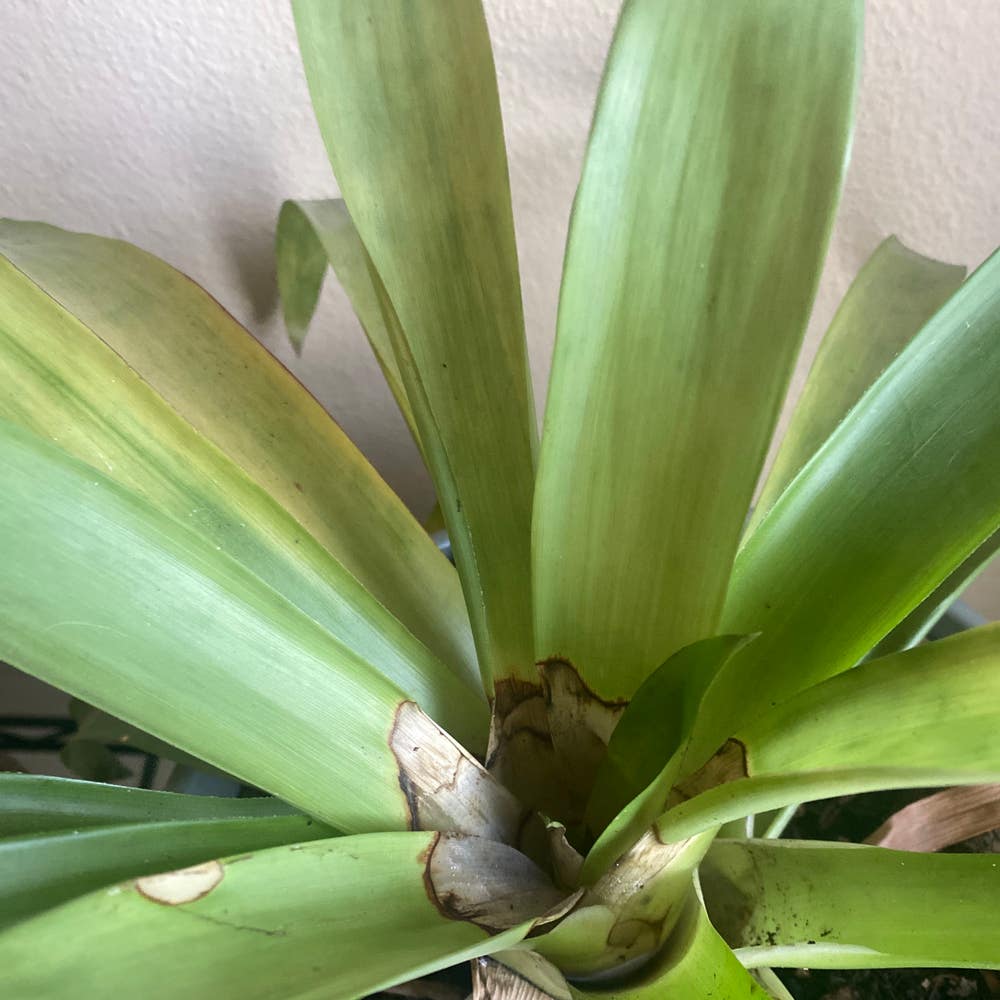
Keep an eye out for yellowing leaves and a mushy base. These symptoms indicate that your Neoregelia may be receiving too much water.
🌱 Fertilizing needs during winter months
Fertilization should be minimal during the winter months. Your Neoregelia 'Passion' is in a dormant state, requiring less nutrition.
Recommended fertilization schedule
Use a diluted, balanced fertilizer once a month. This approach ensures your plant gets just enough nutrients without overdoing it.
Types of fertilizers suitable for Neoregelia 'Passion'
Opt for fertilizers specifically designed for bromeliads. These will provide the right balance of nutrients to support your plant's health.
As you prepare for winter, remember that proper care during this season sets the stage for a thriving Neoregelia 'Passion' come spring. Next, let’s explore the best indoor conditions to keep your plant happy and healthy during the colder months.
Indoor Winter Care
🌡️ Best indoor conditions for Neoregelia 'Passion'
To keep your Neoregelia 'Passion' thriving indoors during winter, aim for a cozy temperature range of 18°C to 24°C (65°F to 75°F). This warmth helps your plant stay active and healthy.
Humidity is equally crucial. Maintain levels above 50% to prevent leaf curling and other stress signs. Consider using a humidifier or placing a tray of water near your plant to boost moisture.
💡 Light requirements for indoor care
Lighting plays a vital role in your plant's health. Neoregelia 'Passion' thrives in bright, indirect sunlight, which mimics its natural habitat.
Be cautious of direct sunlight, as it can scorch the leaves. If natural light is lacking, don’t hesitate to use grow lights to ensure your plant gets the brightness it craves.
By providing the right indoor conditions, you set the stage for a vibrant and healthy Neoregelia 'Passion' throughout the winter months. Next, let’s explore how to prepare your plant for the upcoming spring season.
Spring Preparation
Signs of recovery from winter damage 🌱
As winter fades, your Neoregelia 'Passion' will start to show signs of life. Look for new growth emerging from the center, which indicates that your plant is bouncing back.
Another positive sign is the vibrant color returning to the leaves. This revival is a clear indication that your plant is ready to thrive again.
Transitioning back to outdoor conditions 🌞
Timing is crucial when moving your Neoregelia 'Passion' outdoors. Wait until nighttime temperatures consistently stay above 10°C (50°F) to ensure a smooth transition.
Once the temperatures are right, begin the acclimatization process. Gradually expose your plant to outdoor conditions over 1-2 weeks to help it adjust without shock.
This careful approach will set your Neoregelia up for a successful spring and summer. With the right care, it will flourish in the warmer months ahead.
Common Winter Problems and Solutions
❄️ Identifying Frost Damage
Frost can be a sneaky enemy for your Neoregelia 'Passion'. Look out for brown or blackened leaf tips, which are telltale signs of frost damage.
Wilting or drooping leaves also indicate that your plant is struggling. If you notice these symptoms, it's time to take action.
🌱 Recovery Methods for Frost-Damaged Plants
To help your plant bounce back, start by pruning any damaged leaves. This not only improves appearance but also encourages new growth.
Next, provide warmth and humidity to create a more favorable environment for recovery. A little extra care can go a long way in reviving your plant.
💧 Addressing Overwatering Issues in Winter
Overwatering can be just as harmful as frost. Watch for signs like wilting, even when the soil feels moist—this could indicate root rot.
To prevent this, ensure your pots have proper drainage. Adjust your watering schedule based on the environmental conditions to keep your plant healthy.
🚫 Solutions to Prevent Overwatering
If you notice signs of overwatering, it’s crucial to act quickly. Start by checking the drainage holes in your pots to make sure they’re not blocked.
Then, modify your watering routine. During winter, your Neoregelia 'Passion' needs less water, so aim for a schedule that reflects its dormancy.
By keeping an eye on these common winter problems, you can ensure your Neoregelia 'Passion' thrives even in the colder months. Next, let’s explore how to prepare your plant for the upcoming spring!
Cold Hardiness and Geographic Considerations
Understanding Cold Hardiness Zones for Neoregelia 'Passion' 🌡️
Neoregelia 'Passion' thrives best in USDA hardiness zones 10-11. If you're gardening in colder climates, this means you'll need to take extra precautions to protect your plants from frost and freezing temperatures.
Tips for Growing Neoregelia in Colder Climates ❄️
To ensure your Neoregelia 'Passion' survives winter, consider these strategies:
Use Greenhouses or Indoor Spaces: These controlled environments can provide the warmth and humidity your plants need.
Select Microclimates: Identify sheltered spots in your garden that offer protection from harsh winds and frost.
Monitoring local weather conditions is crucial. Stay alert for frost alerts to act quickly and safeguard your plants.
With the right care, your Neoregelia can flourish even in less-than-ideal climates. Transitioning your plants indoors or utilizing protective structures can make all the difference.
As winter approaches, remember that preparation is key. Your efforts will pay off when you see your Neoregelia thriving come spring.
⚠️ Safety First
This content is for general information and may contain errors, omissions, or outdated details. It is not medical, veterinary advice, or an endorsement of therapeutic claims.
Always consult a qualified healthcare professional before using any plant as food, medicine, or supplement.
Never eat any plant (or feed one to pets) without confirming its identity with at least two trusted sources.
If you suspect poisoning, call Poison Control (800) 222-1222, the Pet Poison Helpline (800) 213-6680, or your local emergency service immediately.
Spotted an error? Please report it here.
Keep your Neoregelia 'Passion' thriving this winter ❄️ by using Greg's tailored watering reminders and frost protection tips to ensure it stays cozy and healthy!