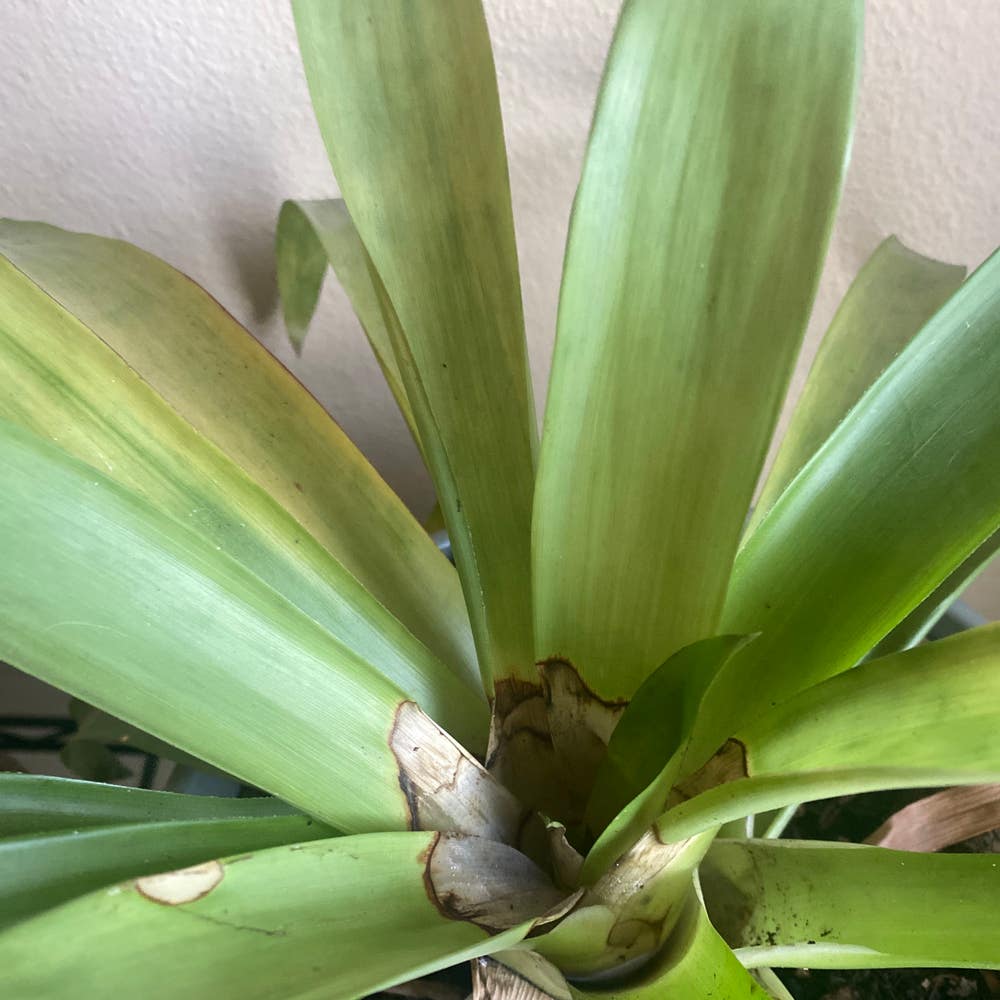
Choosing the Best Pot for Your Neoregelia 'Passion' 🪴
Neoregelia 'Passion'
By the Greg Editorial Team
Sep 29, 2024•4 min read
This article was created with the help of AI so we can cover more plants for you. May contain errors. See one? Report it here.
Unlock your Neoregelia 'Passion's potential 🌱 by mastering the right pot sizes and materials for vibrant growth!
- 🌱 Choose 4-6 inch pots for seedlings; transition to 8-12 inches as they grow.
- 🏺 Clay pots promote drainage and reduce root rot; consider plastic for lightweight options.
- 🔍 Repot when roots show or leaves yellow; always inspect for damage during repotting.
Pot Sizes for Different Growth Stages
Recommended Sizes for Seedlings 🌱
For your Neoregelia 'Passion' seedlings, the ideal container size is between 4 to 6 inches in diameter. Small pots are crucial as they encourage robust root development and help prevent overwatering, which can be detrimental to young plants.
As your seedlings grow and reach about 4 to 6 inches in height, it's time to transition them into larger pots. This ensures they have enough space to thrive and continue their growth journey.
Ideal Sizes for Mature Plants 🌿
When your Neoregelia 'Passion' matures, you'll want to use pots that are 8 to 12 inches in diameter. It's essential to consider pot depth as well; the pot must accommodate the central water-collecting cup that is characteristic of bromeliads.
Keep an eye out for signs that your plant has outgrown its pot. If you notice roots emerging from the drainage holes or stunted growth, it’s a clear indication that it’s time for a repotting.
Materials for Pots
🌱 Benefits of Clay Pots
Clay pots are a fantastic choice for your Neoregelia 'Passion.' Their breathability allows for better air circulation to the roots, promoting healthy growth.
Additionally, clay pots excel at moisture regulation. They absorb excess moisture, which significantly reduces the risk of root rot—a common issue for bromeliads.
🥤 Advantages of Plastic Pots
Plastic pots offer a lightweight and easy-to-handle alternative. They retain moisture longer than clay, making them particularly beneficial in dry environments.
Moreover, plastic pots are cost-effective and come in various sizes, making them accessible for every gardener.
⚖️ Comparison of Other Materials
Ceramic Pots
Ceramic pots are known for their attractive designs, making them great for decorative purposes. However, they can be heavier and may retain too much moisture if not properly drained.
Terracotta Pots
Terracotta pots provide excellent drainage and breathability, which is crucial for Neoregelia. On the downside, they can dry out quickly, requiring more frequent watering to keep your plant happy.
Choosing the right pot material is essential for the health of your Neoregelia 'Passion.' Consider your plant's needs and your environment to make the best choice.
Next, let's explore the importance of drainage considerations for your pots.
Drainage Considerations
Importance of Drainage Holes 🌊
Drainage holes are crucial for preventing water from accumulating at the bottom of your pot. This feature is essential for maintaining the well-draining conditions that Neoregelia requires to thrive.
Ensuring Proper Drainage 🚰
To ensure your plant's health, follow these steps:
- Choose pots with multiple drainage holes. This allows excess water to escape easily.
- Use a well-draining potting mix specifically formulated for bromeliads. This mix will help prevent root rot.
- Consider adding a layer of gravel or perlite at the bottom of the pot. This extra layer enhances drainage and keeps the roots happy.
By prioritizing proper drainage, you set your Neoregelia 'Passion' up for success. A well-drained pot not only prevents waterlogged roots but also promotes vigorous growth and vibrant colors.
Next, let’s explore the signs that indicate it’s time to repot your Neoregelia.
Repotting Neoregelia 'Passion'
Signs That It's Time to Repot 🌱
Recognizing when to repot your Neoregelia 'Passion' is crucial for its health. Look for roots visible through drainage holes, as this indicates the plant is root-bound.
Additionally, if you notice stunted growth or yellowing leaves, it’s a sign that your plant needs more space. Compacted soil that retains too much moisture can also signal that it’s time to repot.
Step-by-Step Guide to Repotting 🛠️
- Choose a New Pot: Select a pot that is 1-2 inches larger in diameter than the current one.
- Remove the Plant: Gently take the plant out of its old pot, being careful not to damage the roots.
- Inspect the Roots: Check for any signs of rot and trim away any damaged areas.
- Replant: Place the plant in the new pot and fill it with fresh potting mix.
- Water Lightly: Water the plant lightly to settle the soil, ensuring it’s not overly saturated.
Choosing the Right Pot When Repotting 🪴
When repotting, consider the growth stage of your Neoregelia to select an appropriate container size.
Ensure the new pot has adequate drainage holes to support healthy growth. Also, evaluate pot materials based on the plant's moisture needs and the environmental conditions it thrives in.
With these steps, your Neoregelia 'Passion' will have the best chance to flourish in its new home. Next, let’s explore the essential drainage considerations for keeping your plant healthy.
⚠️ Safety First
This content is for general information and may contain errors, omissions, or outdated details. It is not medical, veterinary advice, or an endorsement of therapeutic claims.
Always consult a qualified healthcare professional before using any plant as food, medicine, or supplement.
Never eat any plant (or feed one to pets) without confirming its identity with at least two trusted sources.
If you suspect poisoning, call Poison Control (800) 222-1222, the Pet Poison Helpline (800) 213-6680, or your local emergency service immediately.
Spotted an error? Please report it here.
Choose the perfect pot for your Neoregelia 🌱 with Greg's tailored tips and reminders, ensuring your plant thrives in its ideal environment!