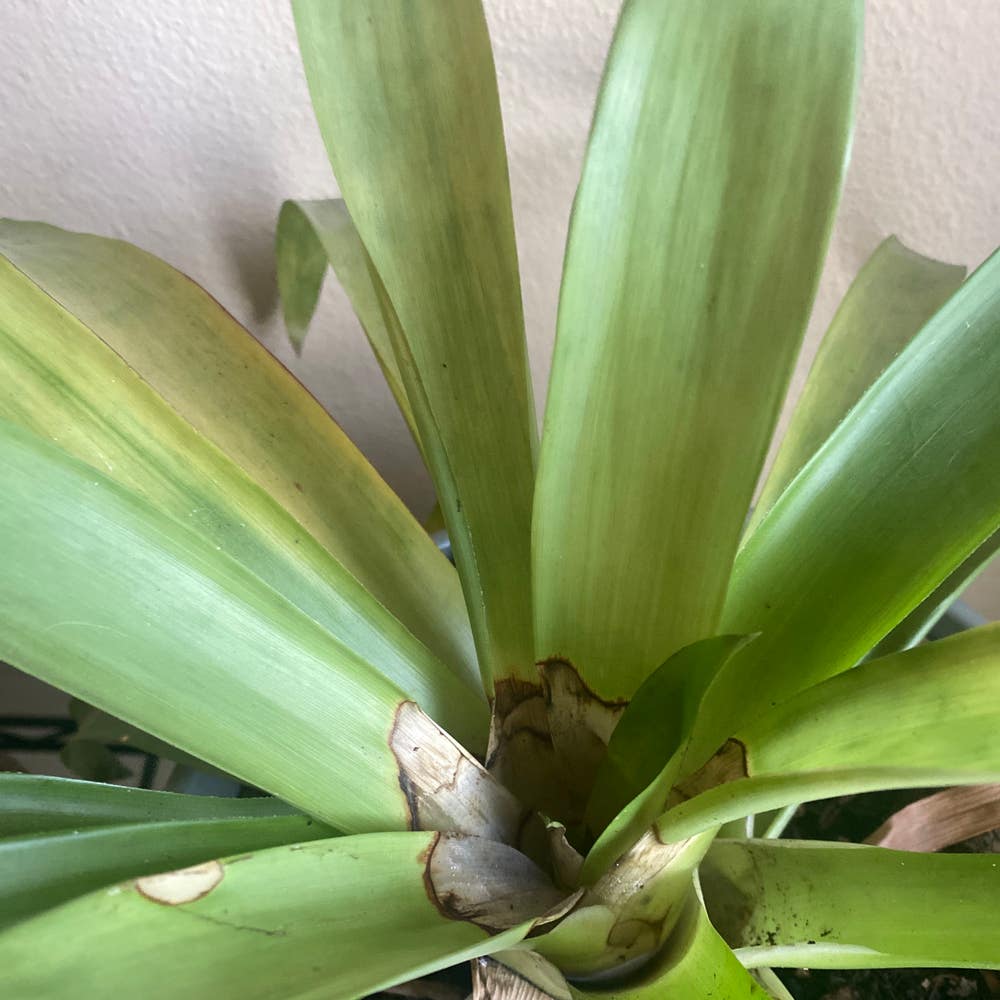
🌺 10 Plants That Love Growing with Neoregelia 'Passion'
Neoregelia 'Passion'
By the Greg Editorial Team
Sep 29, 2024•5 min read
This article was created with the help of AI so we can cover more plants for you. May contain errors. See one? Report it here.
Elevate your indoor garden with ideal companion plants for Neoregelia 'Passion' 🌱 that boost beauty and vitality!
- 🌱 Choose companion plants like Aechmea and Calathea for humidity and light compatibility.
- 🌿 Avoid cacti and certain herbs that attract pests or require dry conditions.
- 🎨 Layer plants for visual appeal and balance in your tropical garden arrangement.
Best Companion Plants for Neoregelia 'Passion'
🌧️ Plant 1: Aechmea 'Blue Rain'
Aechmea 'Blue Rain' is a stunning bromeliad that shares similar light and humidity needs with Neoregelia 'Passion'. It thrives in well-draining soil, making it a perfect companion that complements the growth conditions of your bromeliad.
🌿 Plant 2: Calathea Orbifolia
Calathea Orbifolia features large, patterned leaves that not only add visual interest but also deter certain pests. This plant prefers similar humidity levels, enhancing the microclimate around Neoregelia and promoting a healthier environment.
🍃 Plant 3: Ferns
Ferns bring soft, feathery foliage that beautifully contrasts with the structured form of Neoregelia. Their lush appearance adds a tropical feel, creating a vibrant and inviting arrangement.
🌱 Plant 4: Philodendron 'Brasil'
Philodendron 'Brasil' thrives in high humidity, making it an ideal companion for Neoregelia. Its trailing growth habit softens the edges of the bromeliad, adding a touch of elegance to your plant display.
🌿 Plant 5: Pothos
Pothos is a fast-growing, adaptable plant that suits various light conditions. Its ability to fill vertical space around Neoregelia makes it a practical choice for enhancing your indoor garden.
🌈 Plant 6: Begonia 'Rex'
Begonia 'Rex' showcases vibrant foliage that complements the colors of Neoregelia. Sharing similar care needs, these two plants promote healthy growth and create a visually striking combination.
🌸 Plant 7: Orchid
Orchids bloom at different times, providing year-round interest to your plant arrangement. Preferring similar light conditions, they enhance the visual harmony alongside Neoregelia.
🌼 Plant 8: Bromeliad Companions
Bromeliad companions thrive in well-draining soil, just like Neoregelia. Their unique shapes and colors not only prevent overwatering but also enhance the overall display.
🕷️ Plant 9: Spider Plant
The Spider Plant is versatile, tolerating low light and making it suitable for various indoor settings. Its arching leaves create a dynamic contrast with Neoregelia, adding depth to your plant arrangement.
🌺 Plant 10: Peace Lily
Peace Lily is low-maintenance and thrives in similar humidity levels as Neoregelia. Its elegant white blooms add a touch of sophistication and visual interest to your indoor garden.
These companion plants not only thrive alongside Neoregelia 'Passion' but also enhance its beauty and health. As you consider your plant arrangements, think about how these selections can create a vibrant, cohesive display.
Plants to Avoid Near Neoregelia 'Passion'
Plant 1: Cacti 🌵
Cacti thrive in dry conditions, which starkly contrasts with the humidity-loving Neoregelia 'Passion'. This incompatibility can lead to stress for both plants, making it best to keep them apart.
Plant 2: Certain Herbs 🌿
Some herbs can attract pests that pose a threat to Neoregelia. It's wise to avoid planting them nearby to maintain a healthy environment for your bromeliad.
Plant 3: Large Trees 🌳
Large trees can overshadow Neoregelia, competing for light and resources. This can stunt the growth of your bromeliad, limiting its potential and vibrancy.
By steering clear of these plants, you can create a thriving space for Neoregelia 'Passion'. Next, let's explore how to enhance the visual appeal and design of your plant arrangements.
Visual Appeal and Design Considerations
🎨 Color Combinations with Neoregelia
Neoregelia 'Passion' boasts vibrant colors that can be beautifully complemented by other plants. Pairing it with plants that have contrasting foliage, like the deep greens of ferns or the striking patterns of Calathea, can create a stunning visual display.
To enhance vibrancy, consider using plants with bright flowers or unique leaf shapes. This not only adds depth but also draws the eye, making your arrangement pop.
📏 Layering Plants for Aesthetic Balance
Arranging plants at varying heights is key to achieving aesthetic balance. Taller plants, like Philodendron 'Brasil', can serve as a backdrop, while shorter companions, such as Pothos, fill in the foreground.
Texture and form play crucial roles in design. Mixing soft-leaved plants with those that have more rigid structures creates a dynamic and inviting space.
🌴 Creating a Tropical Garden Theme
To fully embrace a tropical garden theme, select additional plants that thrive in similar conditions. Consider adding vibrant orchids or lush ferns to enhance the tropical vibe.
Incorporating water features, like small fountains or ponds, can elevate the atmosphere. Decorative elements, such as stones or driftwood, can also add interest and create a cohesive look.
With these design strategies, your garden can become a lush, vibrant oasis that showcases the beauty of Neoregelia 'Passion' and its companions.
Pest Management Strategies
Companion Plants That Deter Pests 🌼
Certain plants can be your best allies in keeping pests at bay. For instance, marigolds are known for repelling aphids and nematodes, while lavender can deter mosquitoes and flies.
These companion plants create a protective barrier around Neoregelia 'Passion', enhancing its resilience. By incorporating them into your garden, you not only beautify the space but also promote a healthier ecosystem.
Integrated Pest Management with Neoregelia 🐞
Organic pest management is key to maintaining a thriving garden. Start by regularly inspecting your plants for signs of pests, such as discolored leaves or webbing.
Utilizing natural predators, like ladybugs, can help control aphid populations. Additionally, introducing neem oil or insecticidal soap can effectively manage outbreaks without harming beneficial insects.
Monitoring and Maintaining Plant Health 🔍
Regular inspections are crucial for early pest detection. Check the undersides of leaves and around the base of the plants for any signs of trouble.
To ensure optimal growing conditions, maintain consistent humidity and light levels. Healthy plants are less susceptible to pests, so focus on providing the best care possible.
By integrating these pest management strategies, you can create a harmonious environment for Neoregelia 'Passion' and its companions. This proactive approach not only protects your plants but also enhances the overall beauty of your garden.
⚠️ Safety First
This content is for general information and may contain errors, omissions, or outdated details. It is not medical, veterinary advice, or an endorsement of therapeutic claims.
Always consult a qualified healthcare professional before using any plant as food, medicine, or supplement.
Never eat any plant (or feed one to pets) without confirming its identity with at least two trusted sources.
If you suspect poisoning, call Poison Control (800) 222-1222, the Pet Poison Helpline (800) 213-6680, or your local emergency service immediately.
Spotted an error? Please report it here.
Create a vibrant tropical display 🌿 with Neoregelia 'Passion' and its companions, and let Greg's personalized care reminders keep your plants thriving together!