🌸 3 Tips for Growing Neoregelia 'Passion' Indoors
Neoregelia 'Passion'
By the Greg Editorial Team
Sep 29, 2024•4 min read
This article was created with the help of AI so we can cover more plants for you. May contain errors. See one? Report it here.
Elevate your Neoregelia 'Passion' with essential care tips for vibrant growth! 🌱
- 🌞 Neoregelia 'Passion' needs 6-8 hours of bright, indirect sunlight daily for optimal growth.
- 💧 Water every 1-2 weeks, allowing the top inch of soil to dry out.
- 🌿 Maintain humidity between 50-70% to replicate its tropical habitat indoors.
Light Requirements
Optimal Light Conditions for Growth 🌞
Neoregelia 'Passion' thrives in bright, indirect sunlight for about 6-8 hours daily. If you notice stretched growth or faded colors, your plant is likely not getting enough light.
Role of Grow Lights 💡
Grow lights are essential for supplementing natural light, especially in low-light conditions. LED and fluorescent options are both effective choices for indoor gardening.
Choosing the Best Grow Light 🛠️
- Light Spectrum: Opt for full-spectrum lights that mimic natural sunlight.
- Wattage: A range of 20-40 watts is ideal for small to medium plants.
- Distance from Plant: Position the light 12-24 inches above the plant for optimal growth.
By ensuring your Neoregelia 'Passion' receives the right light conditions, you set the stage for vibrant growth and stunning foliage. Next, let’s dive into the watering needs to keep your plant healthy and thriving.
Watering Needs
Frequency and Method of Watering 🌊
To keep your Neoregelia 'Passion' thriving, water it every 1-2 weeks. Make sure to let the top inch of soil dry out between waterings to prevent root rot.
For the watering method, fill the central cup of the plant and lightly water the soil. This approach mimics natural rainfall and helps maintain moisture levels.
Importance of Water Quality 💧
Water quality is crucial for your plant's health. Distilled or rainwater is preferred to avoid chemical buildup that can harm your Neoregelia.
Be on the lookout for signs of overwatering, such as yellowing leaves and mushy roots. These indicators can help you adjust your watering routine before it's too late.
Understanding the watering needs of your Neoregelia 'Passion' sets the foundation for its overall health. Next, let’s explore how humidity and temperature play a vital role in its growth.
Humidity and Temperature
🌧️ Ideal Humidity Levels
For your Neoregelia 'Passion' to thrive, aim for humidity levels between 50-70%. This range mimics its natural tropical habitat, promoting vibrant growth.
To boost humidity, consider using a humidity tray filled with water and pebbles, or invest in a room humidifier. Both methods create a cozy environment that your plant will love.
🌡️ Temperature Range for Optimal Growth
The ideal temperature for your Neoregelia falls between 20°C to 30°C (68°F to 86°F). Keeping your plant within this range ensures it remains healthy and vibrant.
Be cautious of temperature extremes; avoid letting it drop below 15°C (59°F). Such conditions can stress the plant, leading to poor growth and health issues.
By maintaining the right humidity and temperature, you set the stage for your Neoregelia 'Passion' to flourish. Next, let’s explore the best soil and fertilization practices to keep your plant thriving.
Soil and Fertilization
🌱 Soil Type
Choosing the right soil mix is crucial for your Neoregelia 'Passion' to thrive. A well-draining orchid mix or a blend of peat, pine bark, and perlite works wonders.
Ensure your pots have drainage holes to prevent root rot. Good drainage is essential; without it, your plant's roots can suffocate and decay.
🌿 Fertilization
When it comes to fertilization, a balanced, water-soluble fertilizer, like 20-20-20, is recommended. This ensures your plant receives the nutrients it needs to flourish.
Feed your Neoregelia every 4-6 weeks during the growing season. Regular feeding helps promote vibrant growth and stunning colors.
With the right soil and fertilization, your Neoregelia 'Passion' will be set for success. Next, let’s dive into common issues and maintenance to keep your plant looking its best.
Common Issues and Maintenance
🐛 Pests and Solutions
Common Pests
Neoregelia 'Passion' can attract a few pesky pests. Mealybugs appear as cotton-like masses on leaves, while spider mites leave fine webbing and stippled damage.
Prevention and Treatment Methods
To keep your plant healthy, conduct regular inspections—check for pests weekly. If you spot an infestation, neem oil or insecticidal soap can effectively treat these unwelcome guests.
🚧 Other Indoor Growing Issues
Leaf Discoloration
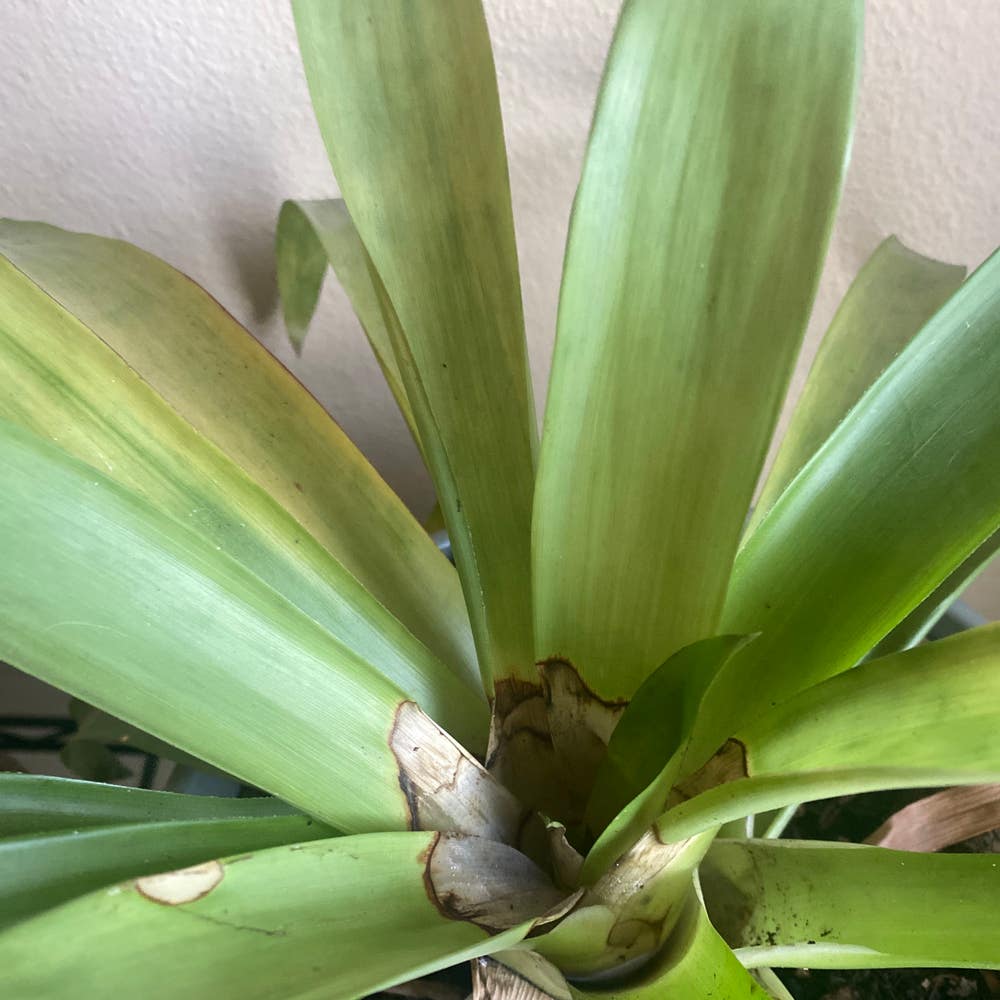
Leaf discoloration often signals trouble. Insufficient light or nutrient deficiencies can cause this issue, so adjusting light levels and your fertilization schedule is crucial.
Root Rot
Root rot is another common concern, typically caused by overwatering and poor drainage. To prevent this, allow the soil to dry out between waterings and ensure your pots have adequate drainage.
🏡 Placement and Maintenance
Best Placement in the Home
Placement matters! Position your Neoregelia 'Passion' near east or west-facing windows for optimal light. Avoid drafts by keeping it away from air conditioning vents and heating sources.
Maintaining Appearance
Regular maintenance helps your plant thrive. Remove dead or damaged leaves monthly to encourage growth, and wipe the leaves with a damp cloth to keep them dust-free and vibrant.
By addressing these common issues and maintaining your plant's environment, you'll ensure that your Neoregelia 'Passion' flourishes beautifully indoors. Next, let's explore the ideal soil and fertilization techniques to further support its growth.
⚠️ Safety First
This content is for general information and may contain errors, omissions, or outdated details. It is not medical, veterinary advice, or an endorsement of therapeutic claims.
Always consult a qualified healthcare professional before using any plant as food, medicine, or supplement.
Never eat any plant (or feed one to pets) without confirming its identity with at least two trusted sources.
If you suspect poisoning, call Poison Control (800) 222-1222, the Pet Poison Helpline (800) 213-6680, or your local emergency service immediately.
Spotted an error? Please report it here.
Transform your indoor space into a tropical paradise for Neoregelia 'Passion' 🌴 with Greg's tailored care reminders and expert tips that ensure your plant thrives effortlessly!