How Much Humidity Does My Neoregelia 'Passion Need?
Neoregelia 'Passion'
By the Greg Editorial Team
Apr 15, 2024•5 min read
This article was created with the help of AI so we can cover more plants for you. May contain errors. See one? Report it here.
Ensure your Neoregelia 'Passion' flourishes 🌿 by nailing the ideal humidity level with this simple guide!
- 40-60% RH ideal for Neoregelia 'Passion' to breathe and drink well.
- 🌡️ Monitor with hygrometer, adjust humidity and temperature for plant health.
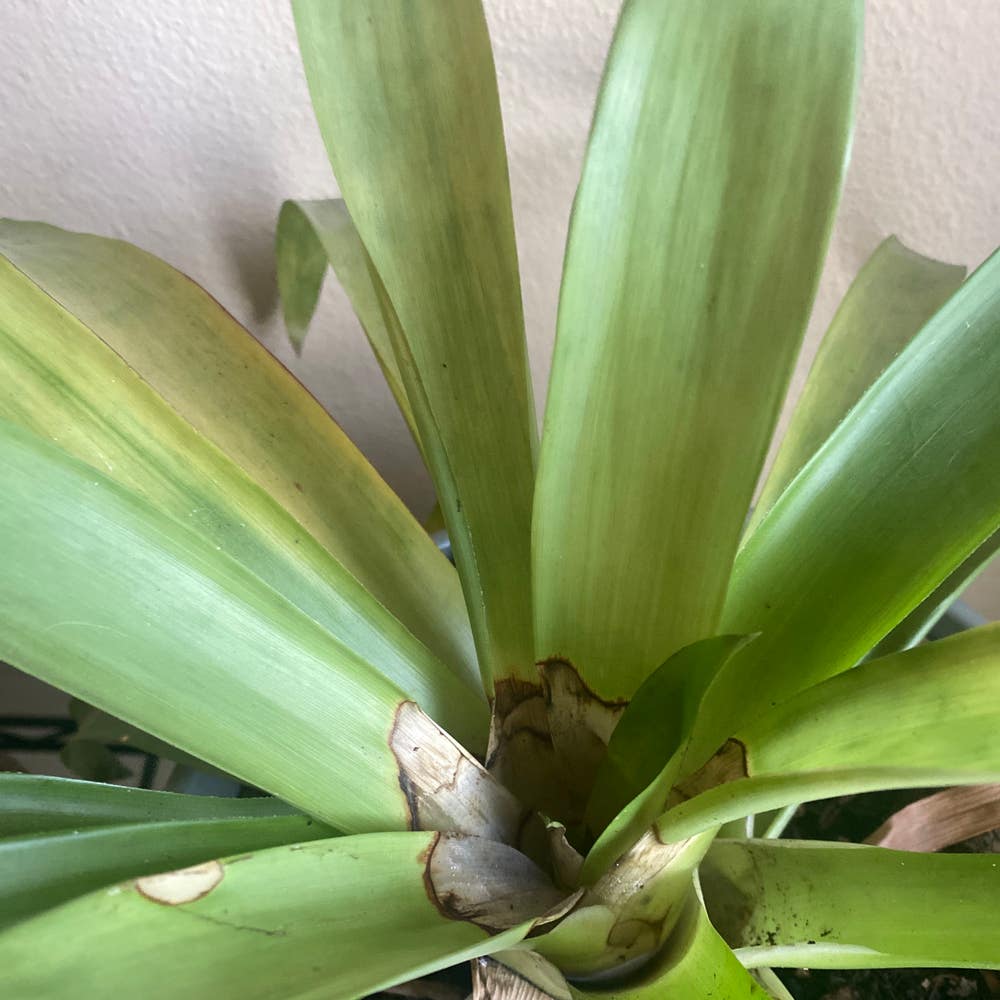
- Watch for crispy tips and browning, signs of low humidity distress.
Spotting Your Neoregelia 'Passion's Humidity Sweet Spot
🌡️ What's the Deal with Relative Humidity?
Relative humidity (RH) is like your Neoregelia 'Passion's' comfort blanket—it tells you how much moisture is chilling in the air compared to what could be there at the current temperature. Get this: RH is a big deal because it affects how your plant breathes and drinks through its leaves. Too low, and your plant's thirstier than a marathon runner; too high, and it's like living in a sauna.
📏 Measuring Up
To keep your Neoregelia 'Passion' from throwing a fit, you'll want to monitor humidity with a hygrometer. This nifty gadget is like a backstage pass, giving you VIP access to the exact moisture levels in the air. Place it near your plant, but out of the sun's spotlight and away from drafty doors. Check the readings throughout the day—morning moisture and evening dryness can be as different as night and day. It's not just busywork; it's crucial intel for your plant's well-being. Aim for that 40-60% sweet spot, where your Neoregelia 'Passion' can throw a party for its roots and leaves.
When the Air's Too Dry
🌿 Signs Your Neoregelia 'Passion' is Thirsty for Humidity
Crispy leaf tips and browning edges are your Neoregelia 'Passion' crying out for more humidity. If the leaves resemble crunchy autumn foliage, it's a clear sign the air is too dry. Your skin might agree, feeling as parched as a desert, which is a human echo of your plant's needs. Keep an eye out for increased water uptake—thirsty plants in dry air will drink more often.
💦 Humidity Boost Tactics
Grouping plants together creates a microclimate with higher humidity, a simple trick for a moisture boost. A pebble tray with water beneath your plant pot is a classic move to up the ante on ambient moisture. Consider a humidifier; it's like a personal rain cloud for your green buddy, but keep it at a safe distance to avoid drenching. Misting can help, but think of it as a light spritz—a plant's version of a refreshing facial mist, not a downpour. Remember, ventilation is key; a gentle fan can circulate air without turning your space into a wind tunnel. Keep those leaves clean; dust is the enemy of efficient moisture absorption.
When It's a Humidity Jungle
🌴 Too Much of a Good Thing?
High humidity can turn your Neoregelia 'Passion' from a tropical delight to a damp disaster. If your plant's leaves start looking limp or you notice a loss of color vibrancy, it's waving a white flag. Excessive moisture can invite fungal fiestas and mold mayhem, turning your green oasis into a soggy nightmare.
💨 Dehumidifying Strategies
Ventilation is Vital
Crack a window or run a fan to keep the air around your Neoregelia 'Passion' from becoming stale. Airflow is the unsung hero in the battle against over-humidity, preventing your plant from feeling like it's stuck in a swamp.
Water Wisely
Be mindful of your watering habits. Overzealous watering can contribute to a humid habitat. Let the soil dry out a bit between waterings to ensure you're not adding to the problem.
Dehumidifiers: The Humidity Police
Consider using a dehumidifier to regulate the moisture levels in your plant's environment. These gadgets can be as effective as a bouncer at a club, keeping the unwanted dampness out.
Plant Placement
Keep your Neoregelia 'Passion' away from naturally humid areas like bathrooms or kitchens. Strategic placement is as crucial as the moves on a chessboard, ensuring your plant doesn't drown in ambient moisture.
Companion Plants
Incorporate plants like Peperomia that absorb excess moisture. They're like the undercover agents in your humidity regulation strategy, subtly maintaining the balance.
By implementing these strategies, you can prevent your Neoregelia 'Passion' from becoming a victim of its own tropical paradise. Keep the air moving, the soil appropriately moist, and the environment in check to maintain that perfect humidity balance.
Balancing Act: Temperature and Humidity
🌡️ A Quick Temperature Check
Temperature isn't just a number on a thermostat; it's a crucial factor in your Neoregelia 'Passion's quest for humidity nirvana. Hotter air can hold more moisture, which means as temperatures rise, your plant will be begging for a humidity boost to keep its leaves lush and vibrant.
Cold air, on the other hand, is stingy with moisture, much like a miser with money. If you let the temperature drop without adjusting humidity levels, you're essentially giving your plant a cold shoulder. It's not just about cranking up the heat or cooling down the room; it's about maintaining a balance that keeps your Neoregelia 'Passion' from throwing a fit.
🧮 Keeping the Balance
To prevent your indoor garden from turning into a plant sauna or a desert mirage, keep a hygrometer handy. This nifty gadget is like a backstage pass to your plant's comfort zone, letting you in on the humidity levels without any guesswork.
As the seasons change, so does the indoor humidity. Vigilance is key. You might need to group plants together or break out the humidifier to stabilize the microclimate. Remember, your Neoregelia 'Passion' isn't just another green leaf in the pot; it's a living organism that relies on you to keep its environment steady.
⚠️ Safety First
This content is for general information and may contain errors, omissions, or outdated details. It is not medical, veterinary advice, or an endorsement of therapeutic claims.
Always consult a qualified healthcare professional before using any plant as food, medicine, or supplement.
Never eat any plant (or feed one to pets) without confirming its identity with at least two trusted sources.
If you suspect poisoning, call Poison Control (800) 222-1222, the Pet Poison Helpline (800) 213-6680, or your local emergency service immediately.
Spotted an error? Please report it here.
Ensure your Neoregelia 'Passion' thrives in the perfect humidity by letting Greg track and tailor 🌡 your plant's environment for peak lushness.