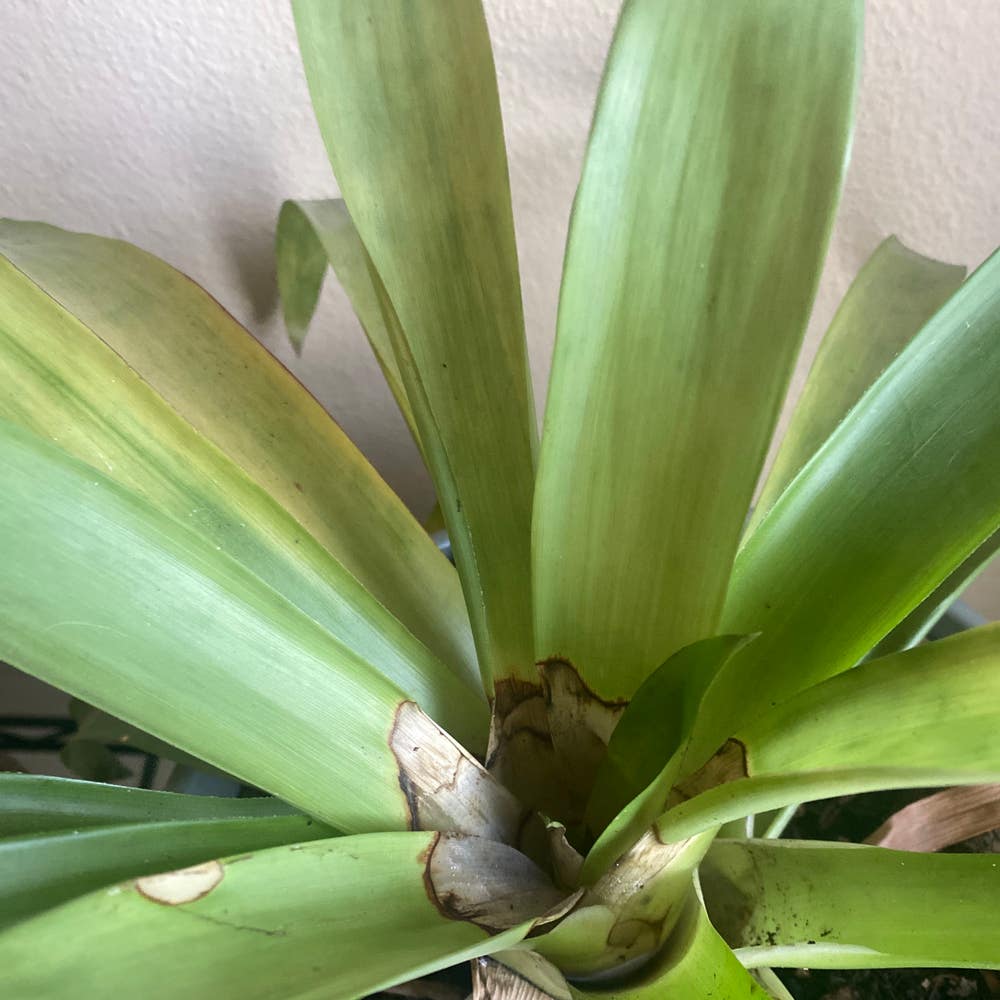
🌸 Neoregelia 'Passion' Roots 101
Neoregelia 'Passion'
By the Greg Editorial Team
Sep 29, 2024•5 min read
This article was created with the help of AI so we can cover more plants for you. May contain errors. See one? Report it here.
Transform your Neoregelia 'Passion' into a thriving beauty with essential root care tips for vibrant growth! 🌱
- 🌱 Neoregelia 'Passion' has shallow, fibrous roots that efficiently absorb moisture and nutrients.
- 💧 Avoid root rot by watering every 1-2 weeks and using well-draining soil.
- 🌿 Healthy roots are vital for propagation; check for distress signs regularly.
Root System Characteristics
🌱 Type of Root System
Neoregelia 'Passion' boasts a fibrous root system. This type of root is shallow yet extensive, which allows for efficient moisture and nutrient absorption.
Fibrous roots also have unique adaptations for water storage. This feature enhances the plant's resilience during periods of drought, making it a robust choice for various environments.
📏 Root Depth and Spread
The root depth of Neoregelia 'Passion' typically ranges from 6 to 12 inches. However, its roots can spread extensively, reaching up to 2 feet in diameter.
Several factors influence this root spread. Environmental conditions such as humidity, soil type, and temperature play a significant role, alongside the size and type of container used. Additionally, consistent watering practices encourage healthy root expansion, ensuring the plant thrives.
Understanding these characteristics is crucial for effective care. With the right conditions, Neoregelia 'Passion' can flourish, setting the stage for the next section on watering and fertilizing.
Watering and Fertilizing
🌱 How Root System Affects Watering Needs
Neoregelia 'Passion' thrives with its fibrous root system, which craves consistent moisture. However, these roots are also prone to rot if overwatered, making careful watering essential.
To keep your bromeliad happy, water it every 1-2 weeks, adjusting based on humidity and temperature. Always opt for well-draining soil to prevent waterlogging, ensuring your plant's roots stay healthy.
🧪 Fertilization Techniques Tailored to Root Health
When it comes to fertilizing Neoregelia 'Passion', a balanced, water-soluble fertilizer is your best friend during the growing season. Aim to fertilize every 4-6 weeks, but remember to dilute it to half strength for optimal results.
Nutrient availability is crucial for root development and overall plant health. A well-fed plant is a happy plant, so don’t overlook this vital aspect of care.
With proper watering and fertilization, your Neoregelia 'Passion' will flourish, setting the stage for healthy roots and vibrant growth. Next, let's explore common root-related issues that can arise and how to tackle them effectively.
Common Root-Related Issues
Identifying Root Problems 🌱
Neoregelia 'Passion' can face several root-related issues, including root rot, pest infestations, and nutrient deficiencies.
Root rot is particularly concerning; look for signs like mushy, dark roots accompanied by a foul smell.
Pests can also be a problem, so keep an eye out for visible insects or webbing around the root zone.
Solutions and Preventive Measures 🛡️
Preventing root rot starts with ensuring proper drainage and avoiding overwatering.
Using sterilized soil and pots can significantly minimize the risk of disease.
For pest control, consider using neem oil or insecticidal soap, and make regular inspections part of your routine.
These proactive measures will help maintain a healthy root system and promote overall plant vitality.
By staying vigilant, you can ensure your Neoregelia 'Passion' thrives without the stress of root-related issues.
Next, let's explore how to recognize healthy versus unhealthy roots.
Healthy vs. Unhealthy Roots
👀 Visual Cues for Root Health
Healthy roots are a sight to behold. They should feel firm, exhibit a white or light tan color, and carry a fresh, earthy smell.
In contrast, unhealthy roots tell a different story. Look for dark, mushy textures and a foul odor, which are clear indicators that something is wrong.
⚠️ Indicators of Root Distress
Keep an eye on your plant's leaves. If they start wilting despite regular watering, it could signal root distress.
Stunted growth or yellowing foliage often points to nutrient deficiencies. These signs suggest that the roots may not be functioning optimally, impacting the overall health of your Neoregelia 'Passion'.
Understanding these visual cues and indicators is essential for maintaining a thriving plant. By recognizing the signs early, you can take action to restore your bromeliad's health and vitality.
Next, let’s explore rootbound conditions and how to identify and address them effectively.
Rootbound Plants
Definition and Recognition of Rootbound Conditions 🌱
Rootbound plants occur when roots grow in a circular pattern, filling the pot and restricting growth. You can spot a rootbound plant if you see roots emerging from drainage holes or notice stunted growth and poor water absorption.
When and How to Address Rootbound Issues 🔧
It's essential to check for rootbound conditions annually or whenever you notice growth slowing.
To address this issue, consider repotting the plant into a larger container with fresh soil. If necessary, you can also prune the roots to encourage new growth and vitality.
By keeping an eye on your Neoregelia 'Passion', you can ensure it thrives without the constraints of being rootbound. This proactive approach will lead to healthier plants and a more vibrant garden.
Next, let’s explore the importance of root health in propagation and division.
Propagation and Division
🌱 Importance of Root Health in Propagation
Healthy roots are the backbone of successful propagation and division. When roots are stressed, it can lead to damage, hindering the plant's ability to thrive.
✂️ Techniques for Dividing Neoregelia 'Passion' Safely
The best time to divide your Neoregelia 'Passion' is during the growing season. This ensures the plant can recover quickly and continue to flourish.
Steps for Safe Division
- Remove the plant from its pot. Gently lift it out to avoid damaging the roots.
- Gently separate offsets or pups from the main plant. Use your fingers or a clean knife to ensure a clean break.
- Ensure each division has healthy roots. Look for firm, white roots that indicate vitality.
- Replant in suitable soil and water lightly. This helps the new divisions settle in without overwhelming them.
By following these steps, you can propagate your Neoregelia 'Passion' effectively, ensuring each new plant has the best chance to thrive. Healthy roots will set the stage for robust growth and vibrant blooms.
As you embark on this propagation journey, remember that nurturing the roots is key to your bromeliad's success. Next, we’ll explore how to identify and address common root-related issues that may arise.
⚠️ Safety First
This content is for general information and may contain errors, omissions, or outdated details. It is not medical, veterinary advice, or an endorsement of therapeutic claims.
Always consult a qualified healthcare professional before using any plant as food, medicine, or supplement.
Never eat any plant (or feed one to pets) without confirming its identity with at least two trusted sources.
If you suspect poisoning, call Poison Control (800) 222-1222, the Pet Poison Helpline (800) 213-6680, or your local emergency service immediately.
Spotted an error? Please report it here.
Nurture your Neoregelia 'Passion' roots for thriving growth 🌿 with Greg's tailored watering reminders and expert care tips that keep your plant healthy and happy!