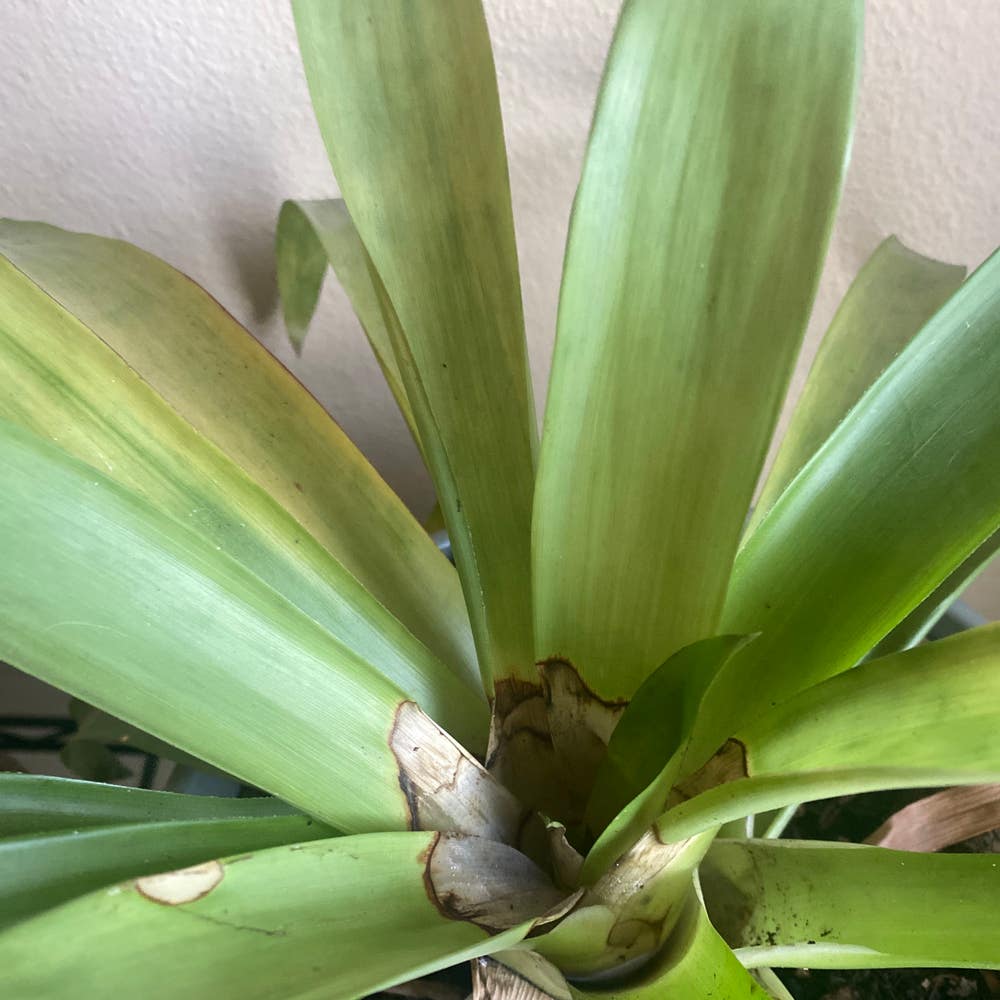
Should I Repot My Neoregelia 'Passion'?
Neoregelia 'Passion'
By the Greg Editorial Team
Apr 15, 2024•6 min read
This article was created with the help of AI so we can cover more plants for you. May contain errors. See one? Report it here.
Revitalize your Neoregelia 'Passion' 🌿 with the secrets to perfect repotting timing and techniques!
- Root crowding and stalled growth signal it's repotting time.
- 🌱 Spring repotting aligns with Neoregelia 'Passion's growth cycle.
- Choose the right pot: 1-2 inches larger, with drainage.
When to Give Your Neoregelia 'Passion' a New Home
🌱 Spotting the Telltale Signs
Root crowding in Neoregelia 'Passion' is like a packed elevator—uncomfortable and a clear signal to move. Look for roots that are circling the pot's interior or peeking out of drainage holes. This is your plant's SOS for more space.
Growth that's hit a plateau is another red flag. If your bromeliad's size hasn't changed in a while, it's not being coy; it's cramped.
Watering should be routine, but if it suddenly becomes a game of "sink or swim," with water either pooling or draining too fast, your pot's no longer the right fit. It's time for a change when water behavior gets weird.
🕰️ Timing is Everything
Spring is the Neoregelia 'Passion's' version of a new year—a perfect time for repotting. It's when your plant is gearing up for growth, making it the ideal season to settle into a new abode.
As for frequency, don't mark your calendar for annual pot parties. Every 1-2 years should suffice, unless your plant tells you otherwise. Keep an eye on its growth and root behavior; these are the real cues for when it's time to repot.
Choosing the Perfect Pot
🌱 Material Matters
When selecting a pot for your Neoregelia 'Passion', material is more than a fashion statement; it's a survival kit. Terracotta pots are the breathable jeans of the plant world, offering great drainage and air flow, but they'll have you watering more often than your thirstiest friend. Plastic is the cheap umbrella that keeps moisture in, which is great unless you're overzealous with the watering can. Ceramic pots are the Goldilocks choice, not too porous, not too sealed, and they come in those eye-catching designs that scream "I have my life together."
🚰 Drainage is Key
Let's be clear: drainage holes are the unsung heroes in the pot world. Without them, you're basically giving your plant a one-way ticket to Root Rot City. No matter the material, ensure those holes are there, ready to bail out excess water like a good insurance policy.
Size and Shape
Finding the right size pot for your Neoregelia 'Passion' is like choosing a new apartment—it needs to be just right. Too big, and the plant's roots might throw an echo; too small, and they'll feel cramped. Aim for a pot that's about 1-2 inches larger in diameter than the current one. As for shape, think about stability and space for growth—wide and shallow is the mantra for bromeliads, giving their roots room to breathe without going on a deep dive.
Remember, the perfect pot is a balance of style, functionality, and the peculiar needs of your Neoregelia 'Passion'. Choose wisely, and you'll be rewarded with a happy, healthy plant that's dressed to impress.
The Repotting Rundown
🌱 Prepping for the Move
Before you start, gather your supplies: a new pot, well-draining soil mix, gardening gloves, and pruning shears. Think of it as the backstage setup before the big show.
Preparing the new pot is like setting the stage. Ensure it's squeaky clean to prevent any encore performances by unwanted pests or diseases. A layer of quality potting mix at the bottom acts as the opening act for your Neoregelia 'Passion'.
🌿 The Main Event: Repotting Step-by-Step
🌷 Gently Removing Your Neoregelia 'Passion'
Carefully tilt the old pot and coax your plant out. If it's clinging on like a stubborn performer, a gentle tap or a slide of a knife around the inside edge should prompt its exit.
🌱 Soil Selection and Potting Mix Recipes
Opt for a well-draining mix; think orchid bark, perlite, and sphagnum moss. This isn't just dirt; it's the VIP lounge for your plant's roots.
🌿 Plant Placement and Soil Settling
Center your Neoregelia 'Passion' in the new pot, ensuring it's not sitting too high or too low—like Goldilocks, it needs to be just right. Fill around with soil and give it a gentle pat, like reassuring a nervous stage actor.
Post-Repotting Care
🌱 The First Few Weeks
After the theatrics of repotting, your Neoregelia 'Passion' needs a bit of a breather. Watering should be done with a light hand; think of it as a gentle welcome rather than a full-on embrace. Aim for a thorough watering about a week after the repot, then let the soil approach dryness before the next watering.
Acclimating your plant is like introducing it to a new social circle—it takes time. Start with a spot that offers indirect light to avoid leaf burn, then gradually move it to its ideal lighting conditions over a week. This helps prevent any additional stress and gives your bromeliad time to settle in with poise.
🕵️ Monitoring and Maintenance
In the weeks post-repot, be the Sherlock Holmes of plant care. Keep an eye out for new growth—it's a high-five from Mother Nature. If you spot yellowing leaves or a general look of despair, don't panic. Adjust your care routine, perhaps water a bit less, and make sure it's not sitting in the dark like a brooding teenager.
Troubleshooting is part of the game. If your plant seems to be throwing a tantrum, check for root damage or signs of shock. Trim any sad-looking foliage to help your Neoregelia 'Passion' conserve energy for its comeback. Remember, it's not about a quick fix but a steady journey to recovery. Keep the soil's moisture in check—too much and you're in swamp territory, too little and you're in the desert. Find that sweet spot.
Remember, this isn't a sprint; it's a marathon. Steady care will lead to a lush, vibrant Neoregelia 'Passion' that's ready to show off its colors.
Repotting Pitfalls to Avoid
🌱 Common Blunders
Overpotting: Why Bigger Isn't Always Better
Choosing a new pot for your Neoregelia 'Passion' can be like picking out a new apartment – size matters. Overpotting can lead to too much soil for the roots to handle, causing moisture issues and potential root rot. Stick to a pot that's just 1-2 inches larger in diameter than the current one. This ensures the soil dries evenly, keeping your bromeliad happy.
Soil Missteps: Choosing the Wrong Mix for Your Bromeliad
Bromeliads require a specific type of soil mix that's airy and well-draining. Using a dense, water-retentive soil is a rookie mistake. Opt for a mix that includes orchid bark, perlite, and sphagnum moss to mimic their natural growing conditions. This will prevent waterlogging and provide the roots with the right balance of moisture and air.
Handling with Care
Avoiding Root Damage During the Repotting Process
When it's time to move your Neoregelia 'Passion', think precision, not power. Roots are sensitive; rough handling can lead to damage and stress. Gently tease the roots apart if they're compacted and place your plant in its new pot with care. This minimizes the risk of transplant shock and sets the stage for a smooth transition.
Ensuring a Stress-Free Transition for Your Neoregelia 'Passion'
After the move, your plant will need time to acclimate. Avoid the temptation to overwater or fertilize immediately – this can overwhelm your bromeliad. Instead, maintain a consistent watering schedule, allowing the top inch of soil to dry out between waterings. Watch for new growth as a sign that your Neoregelia 'Passion' is settling into its new home.
⚠️ Safety First
This content is for general information and may contain errors, omissions, or outdated details. It is not medical, veterinary advice, or an endorsement of therapeutic claims.
Always consult a qualified healthcare professional before using any plant as food, medicine, or supplement.
Never eat any plant (or feed one to pets) without confirming its identity with at least two trusted sources.
If you suspect poisoning, call Poison Control (800) 222-1222, the Pet Poison Helpline (800) 213-6680, or your local emergency service immediately.
Spotted an error? Please report it here.
Repot your Neoregelia 'Passion' for a fresh growth spurt and let Greg nurture 🌱 its journey with personalized care reminders and tips.