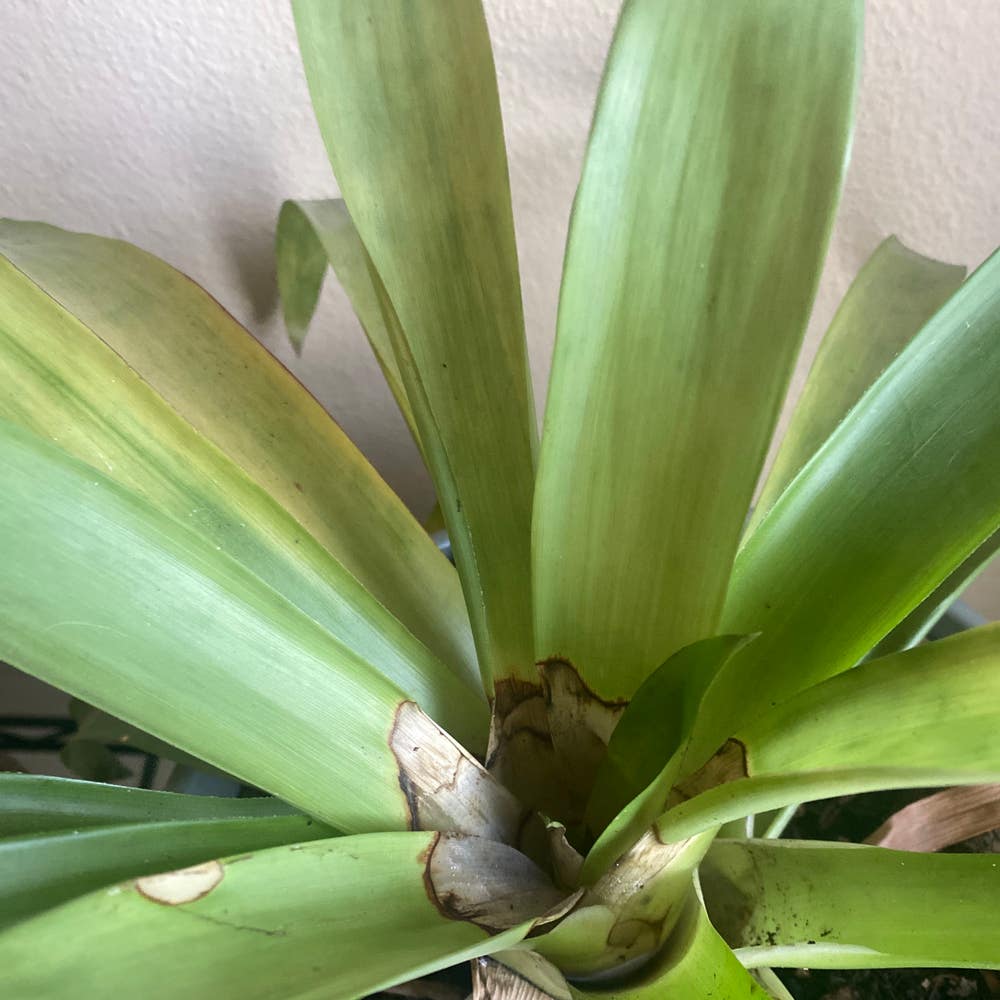
Propagating My Neoregelia 'Passion': Step-by-Step Guide
Neoregelia 'Passion'
By the Greg Editorial Team
Apr 15, 2024•4 min read
This article was created with the help of AI so we can cover more plants for you. May contain errors. See one? Report it here.
Propagate your Neoregelia 'Passion' 🌿 with confidence using our step-by-step guide to vibrant success!
- Offsets are easy starters, separate when they're ready for "plant independence."
- Seed sowing tip: Press into well-draining soil, don't bury.
- Tissue culture for cloning, in a sterile environment with a growth medium.
Propagating Through Offsets
🌱 Spotting and Separating Offsets
In the propagation game, offsets are like the bonus points. Look for the little clones of Neoregelia 'Passion' snuggled up to the mother plant. They're ripe for the picking when they've got a few roots and look like they can handle a bit of independence. Gently wiggle them free, or use sterilized snips for a clean break. Let them dry for a day—think of it as a quick breather before they start their solo journey.
🌱 Planting and Initial Care
Pot selection is like choosing the right-sized shoes for a toddler—roomy enough to grow, but not so big they'll trip. Go for well-draining soil, because nobody likes wet feet, especially not your offsets. Water sparingly in the first days, just enough to quench their thirst without drowning them. Place them in a spot where the light is bright but not glaring—like a sunny café window, not a beach at noon.
Starting from Scratch: Seed Propagation
🌱 Collecting and Sowing Seeds
Harvesting seeds from your Neoregelia 'Passion is a delicate affair. Wait for the flowers to wither; then, with the precision of a surgeon, extract the seeds. Dry storage is your next step, keeping them in a safe haven until it's time to sow.
Sowing requires a light touch. Spread the seeds atop a well-draining mix—think equal parts potting soil and perlite or sand. Press them gently into the soil, but don’t bury them; they crave light for germination. Keep the soil moist, not drenched, and introduce a clear plastic cover to lock in humidity.
🌱 Creating the Perfect Seedling Environment
Your seedlings demand a climate-controlled nursery. Maintain a steady temperature; think warm spring day, not a tropical midsummer. Humidity is your seedling's sidekick—keep it consistent.
When your seedlings sport a couple of true leaves, it’s time to upgrade their living quarters. Transplant them with care, ensuring they have room to spread their roots and grow into the stunning plants they're destined to be.
Advanced Technique: Tissue Culture Propagation
🌱 The Basics of Tissue Culture
Tissue culture is plant cloning in a petri dish. It's perfect for Neoregelia 'Passion' when you want lots of babies that are carbon copies of the parent. Sterilization is crucial; think surgeon-level clean. You'll need a scalpel, sterile containers, and a growth medium—a concoction of hormones and nutrients.
🧫 The Tissue Culture Process
🧼 Creating the Sterile Environment and Growth Medium
First, sterilize everything. Contamination equals failure. Mix up your growth medium, which is like an all-you-can-eat buffet for plant cells. Precision is key; use a scalpel to cut a tiny piece of the plant for culturing.
🌱 Caring for Cultures and Transitioning to Soil
Patience is your new best friend. It takes 8-16 weeks of waiting, watching tiny plantlets form. Once they're robust, it's time to introduce them to real-world conditions. Start with a mix of peat moss, perlite, or vermiculite to help them toughen up before moving to soil.
After Propagation: Ensuring Success
🌱 The First Weeks
In the initial weeks post-propagation, your Neoregelia 'Passion' is like a new hire at the office—needs a bit of hand-holding before it can fly solo.
Monitor and Adjust
Keep an eye on temperature and humidity; these are the cornerstones of your plant's comfort zone. If you see your plant's leaves drooping like it's had a long day, it might be time to tweak the environment.
Fertilization Timing
Hold off on the fertilizer for the first month. Your plant's not ready for a full-course meal yet—it's still snacking on the nutrients from its propagation medium.
Potential Setbacks and Solutions
Even with the best care, sometimes plants throw a curveball. Here's how to deal with the common issues without losing your cool.
🦠 Combatting Rot and Slow Growth
If you spot rot, it's time for some tough love—trim the affected areas and improve drainage. Slow growth? Check your lighting; it's like the plant's daily dose of coffee.
Troubleshooting Tips
When in doubt, change one thing at a time. It's like adjusting a recipe—too many spices at once, and you won't know what saved the dish. If all else fails, sometimes you've just got to start over. It's not defeat; it's strategic retreat.
⚠️ Safety First
This content is for general information and may contain errors, omissions, or outdated details. It is not medical, veterinary advice, or an endorsement of therapeutic claims.
Always consult a qualified healthcare professional before using any plant as food, medicine, or supplement.
Never eat any plant (or feed one to pets) without confirming its identity with at least two trusted sources.
If you suspect poisoning, call Poison Control (800) 222-1222, the Pet Poison Helpline (800) 213-6680, or your local emergency service immediately.
Spotted an error? Please report it here.
Propagate your Neoregelia 'Passion' with confidence as Greg 🌱 tailors reminders for watering, lighting, and troubleshooting, ensuring your offsets and seedlings thrive.