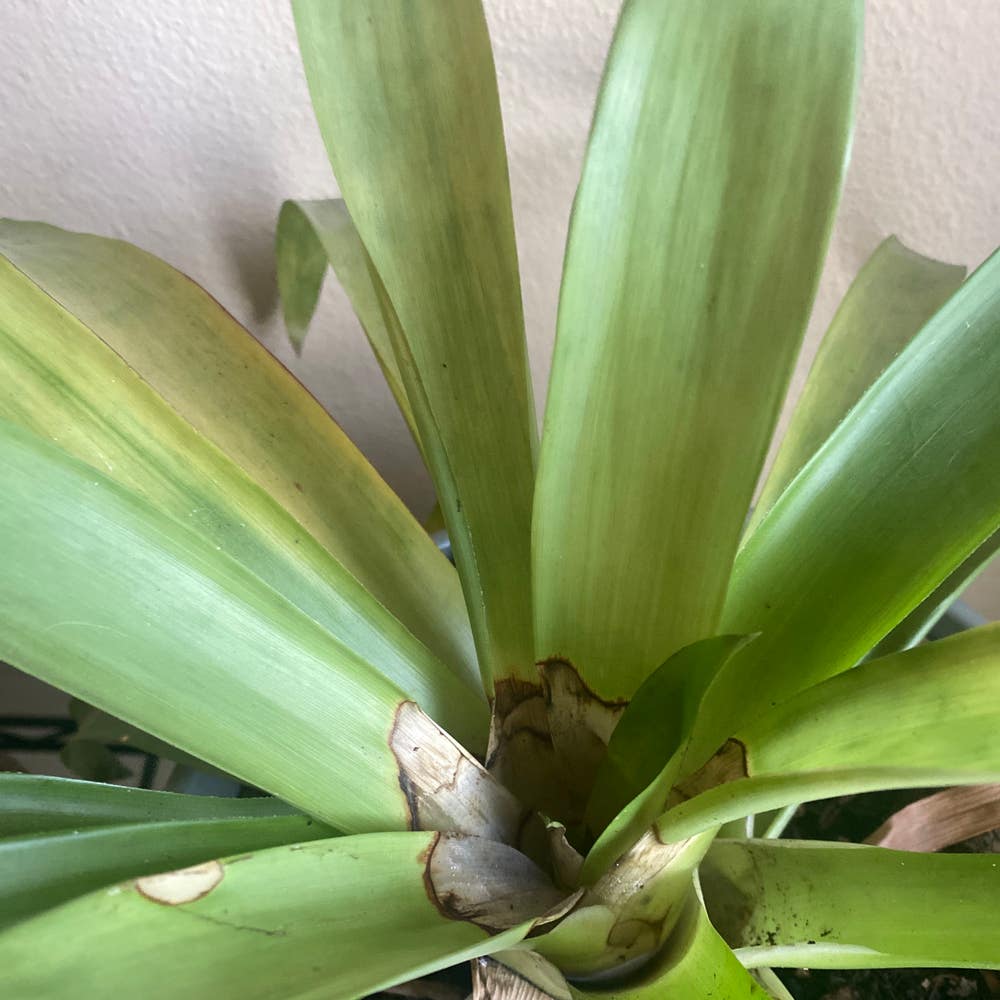
🌸 How to Plant Your Neoregelia 'Passion'
Neoregelia 'Passion'
By the Greg Editorial Team
Sep 29, 2024•5 min read
This article was created with the help of AI so we can cover more plants for you. May contain errors. See one? Report it here.
Unlock the secret to thriving Neoregelia 'Passion' by mastering planting and transplanting techniques! 🌱🌿
- 🌱 Best planting time for Neoregelia 'Passion' is spring to early summer.
- 🌞 Bright, indirect light for 6-8 hours daily prevents leaf scorch.
- 💧 Well-draining soil and consistent moisture are key to healthy growth.
Planting vs. Transplanting Neoregelia 'Passion'
🧐 Key Considerations
When it comes to planting Neoregelia 'Passion', proper techniques are crucial. They directly impact the plant's health and growth, setting the stage for a thriving bromeliad.
Cost is another factor to weigh. You can choose between seeds or young plants, which are often more affordable, and established plants that may come with a higher price tag but offer immediate gratification.
Time to maturity is also essential. New plants typically take 6-12 months to reach their full potential, while established plants can start flourishing right away.
Understanding these key aspects will help you make informed decisions about whether to plant or transplant your Neoregelia 'Passion'. This knowledge sets the foundation for successful gardening, ensuring your plants thrive in their new environment.
Next, let’s dive into the specifics of planting new Neoregelia 'Passion'!
Planting New Neoregelia 'Passion'
🌱 Optimal Timing for Planting
The best time to plant your Neoregelia 'Passion' is during spring to early summer. This period aligns with the plant's active growth phase, ensuring it establishes well.
Consider your local climate conditions as well. If you live in a region with extreme temperatures, wait for milder weather to give your plant the best chance.
🌿 Selecting the Right Soil Mix and Containers
For optimal growth, use a well-draining, organic-rich potting mix. This type of soil helps prevent root rot while providing essential nutrients.
When it comes to containers, terracotta pots are excellent for breathability, while plastic pots retain moisture better. Choose based on your watering habits and the humidity of your environment.
📏 Proper Depth and Spacing for Planting
Plant your Neoregelia 'Passion' so that the base of the rosette is level with the soil surface. This positioning helps the plant thrive and prevents water from pooling around the crown.
Space each plant 12-18 inches apart. This distance allows for adequate air circulation, which is crucial for preventing fungal diseases.
☀️ Maintaining Ideal Growing Conditions
Neoregelia 'Passion' thrives in bright, indirect light for about 6-8 hours daily. Too much direct sunlight can scorch the leaves, so find a balance.
Humidity is another key factor; aim for levels between 50-70%. If your home is dry, consider using a humidifier or placing a pebble tray with water near your plants.
🌳 Hardening Off Process Before Outdoor Planting
Before moving your plant outdoors, acclimatization is essential. Gradually exposing it to outdoor conditions helps reduce transplant shock.
Follow these steps for hardening off:
- Start with 1-2 hours of outdoor exposure.
- Gradually increase exposure time over 7-10 days.
- Monitor for signs of stress, like wilting or discoloration.
This process ensures your Neoregelia 'Passion' adapts smoothly to its new environment, setting the stage for a healthy life ahead.
Transplanting Established Neoregelia 'Passion'
🌱 Optimal Timing for Transplanting
Spring is the prime time for transplanting your Neoregelia 'Passion.' This season aligns with the plant's active growth cycle, making it easier for the plant to adapt.
Watch for signs that indicate it's time to transplant. If your plant is root-bound or showing signs of declining health, it’s time to take action.
🛠️ Step-by-Step Instructions for Transplanting
- Prepare the new planting site: Ensure the soil is well-draining and the area receives adequate sunlight.
- Remove the plant: Gently loosen the soil around the roots to avoid damage.
- Place the plant in the new location: Make sure the rosette is level with the soil surface for optimal growth.
- Backfill with soil: Firmly but gently pack the soil around the roots to eliminate air pockets.
📏 Space Requirements for Established Plants
When transplanting, maintain a minimum spacing of 12-18 inches between plants. This allows for proper growth and air circulation, which is crucial for their health.
💧 Watering, Mulching, and Support Tips
Keep the soil consistently moist but avoid sogginess. Overwatering can lead to root rot, so find that sweet spot.
Using organic mulch can help retain moisture and suppress weeds, creating a healthier environment for your plant. If your Neoregelia needs extra support, consider staking it until it establishes itself in its new location.
Transplanting can be a rewarding experience, ensuring your Neoregelia 'Passion' thrives in its new home. Next, let’s dive into troubleshooting common issues that may arise after transplanting.
Troubleshooting Common Issues
🌱 Identifying Transplant Shock
Transplant shock can be a real concern for your Neoregelia 'Passion'. Look out for symptoms like wilting, yellowing leaves, and stunted growth, which typically appear within the first few weeks after transplanting.
🛠️ Solutions for Establishment Problems
If you notice signs of transplant shock, start by adjusting your watering routine. Keep the soil consistently moist but avoid overwatering, as soggy conditions can worsen the problem.
Next, consider light feeding with a balanced fertilizer a few weeks after transplanting. This can provide the nutrients your plant needs to bounce back.
🌿 General Care Tips for Newly Planted or Transplanted Neoregelia 'Passion'
Monitoring light and humidity levels is crucial for your plant's recovery. Aim for bright, indirect light and maintain humidity levels between 50-70%.
Regularly check for pests and diseases, as these can hinder your plant's growth. Adjust your care routine based on any environmental changes to ensure your Neoregelia thrives.
By staying vigilant and responsive, you can help your Neoregelia 'Passion' overcome any challenges and flourish in its new home. Next, let’s explore how to ensure your plant continues to thrive with proper care and maintenance.
⚠️ Safety First
This content is for general information and may contain errors, omissions, or outdated details. It is not medical, veterinary advice, or an endorsement of therapeutic claims.
Always consult a qualified healthcare professional before using any plant as food, medicine, or supplement.
Never eat any plant (or feed one to pets) without confirming its identity with at least two trusted sources.
If you suspect poisoning, call Poison Control (800) 222-1222, the Pet Poison Helpline (800) 213-6680, or your local emergency service immediately.
Spotted an error? Please report it here.
Plant your Neoregelia 'Passion' with confidence 🌟—Greg's tailored watering alerts and expert care tips will help you create a thriving, colorful oasis in your home!