🐛 What's Eating Your Neoregelia 'Passion'
Neoregelia 'Passion'
By the Greg Editorial Team
Sep 29, 2024•6 min read
This article was created with the help of AI so we can cover more plants for you. May contain errors. See one? Report it here.
Safeguard your Neoregelia 'Passion' from herbivores while boosting your garden's beauty and ecosystem! 🌿
- 🌿 Neoregelia 'Passion' attracts herbivores but also benefits from pollinators.
- 🦌 Common threats include deer, rabbits, and squirrels—know their signs for early action.
- 🚫 Effective deterrents like sprays and fencing can protect your plant from damage.
Appearance and Appeal
🌈 Description
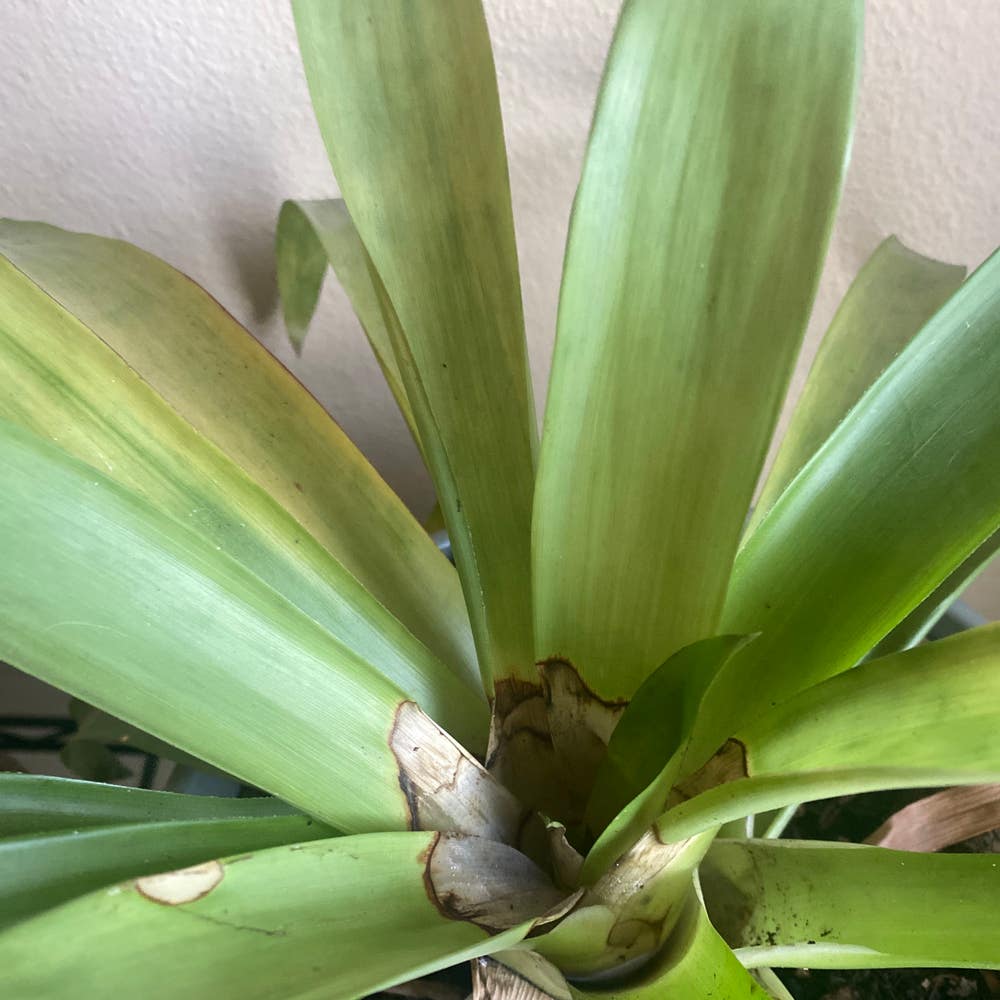
Neoregelia 'Passion' captivates with its vibrant foliage, showcasing a stunning array of colors. Each colorful rosette can vary in hue, creating a visual feast that draws the eye.
The leaves possess a unique water-holding structure, allowing the plant to thrive in diverse conditions. This adaptation not only enhances its beauty but also contributes to its resilience.
🐾 Most Appealing Parts to Animals
Young shoots are particularly appealing, offering tender and nutritious bites for herbivores.
The flowers, bright and fragrant, attract pollinators, playing a crucial role in the ecosystem.
Additionally, the potential fruit is sweet and hydrating, making it irresistible to various animals seeking nourishment.
These features not only enhance the plant's allure but also make it a target for curious critters.
Understanding these appealing aspects can help you better protect your Neoregelia 'Passion' from herbivores.
As we explore common herbivores next, you'll discover how to safeguard this stunning plant.
Common Herbivores
🦌 Deer
Signs of Presence and Damage
Look for hoof prints in the soil, which indicate deer activity. You may also notice leaves stripped from the lower parts of your Neoregelia 'Passion,' a clear sign of browsing.
Interaction Type
Deer can be generally harmful, often decimating populations if not managed effectively. Their appetite for tender foliage can lead to significant plant loss.
Deterrent Methods
To deter deer, consider using commercial deer repellents, which can be quite effective. Alternatively, planting deer-resistant species nearby or using human hair and soap shavings can create a natural barrier.
🐇 Rabbits
Signs of Presence and Damage
Rabbits leave small, round droppings near the plant, which can be a telltale sign of their presence. Chewed stems and leaves with clean cuts on the edges indicate they’ve been snacking.
Interaction Type
Rabbits are generally harmful and can lead to significant damage to your plants. Their nibbling can quickly add up, leaving your Neoregelia looking worse for wear.
Deterrent Methods
For an easy solution, apply bitter-tasting sprays to make the plants less appealing. You can also install fencing that’s 2-3 feet high or plant rabbit-resistant species to keep them at bay.
🐿️ Squirrels
Signs of Presence and Damage
Squirrels often leave scratches on the soil as they dig for bulbs or roots. You might also find irregular bite marks on leaves and flowers, signaling their munching habits.
Interaction Type
Squirrels can be generally harmful, disrupting plant growth with their foraging. Their playful antics can lead to unexpected damage.
Deterrent Methods
Capsaicin-based sprays can deter squirrels effectively. Additionally, installing squirrel-proof feeders or using motion-activated sprinklers can help keep them away.
🐦 Birds
Signs of Presence and Damage
Look for feather remnants around your plants, which indicate bird activity. Peck marks on flowers and fruits can also signal that they’re taking a bite.
Interaction Type
Birds have mixed interactions with Neoregelia 'Passion.' While some birds help with pollination, others may cause damage.
Deterrent Methods
To protect your plants, consider using reflective tape or bird repellent sprays. Netting over vulnerable plants can also provide a physical barrier against unwanted pecking.
🐭 Rodents
Signs of Presence and Damage
Rodents often create tunnels or burrows near the base of the plant. You may also notice gnawed leaves and stems, indicating their presence.
Interaction Type
Rodents are generally harmful and can lead to severe plant damage. Their relentless chewing can compromise the health of your Neoregelia.
Deterrent Methods
For a more challenging situation, consider using rodent bait stations. Alternatively, traps and planting mint or other deterrent plants can help manage their population.
🦡 Groundhogs/Woodchucks
Signs of Presence and Damage
Groundhogs leave large burrows near the base of the plant, which can be quite noticeable. Chewed foliage and stems indicate significant loss of plant material.
Interaction Type
These creatures are generally harmful and can destroy entire plants if left unchecked. Their appetite can lead to drastic reductions in your garden's beauty.
Deterrent Methods
Commercial repellents can be effective against groundhogs. Additionally, fencing that’s 3-4 feet high or using castor oil can help keep them away from your prized plants.
Understanding these common herbivores and their impact on Neoregelia 'Passion' is crucial for maintaining a healthy garden. With the right deterrent methods, you can protect your plants and enjoy their vibrant beauty. Next, let’s explore the beneficial animals that can enhance your garden ecosystem.
Beneficial Animals
🌼 Description
Neoregelia 'Passion' attracts a vibrant array of beneficial animals. Pollinators like bees and butterflies flock to its flowers, drawn by their bright colors and sweet nectar.
Predatory insects, such as ladybugs and lacewings, also play a crucial role. They help control pest populations, ensuring your plant remains healthy and thriving.
🌱 Positive Ecosystem Impact
The presence of these pollinators enhances fruiting, leading to a more bountiful harvest. Additionally, natural pest control reduces the need for chemical interventions, promoting a healthier garden environment.
By fostering a habitat for these beneficial creatures, you create a balanced ecosystem. This not only supports your Neoregelia 'Passion' but also contributes to the overall health of your garden.
Incorporating these animals into your gardening strategy can yield impressive results. As you nurture your plants, remember the vital role these creatures play in maintaining a thriving ecosystem.
With this understanding, you can appreciate the interconnectedness of your garden and the importance of protecting these beneficial animals.
Next, let’s explore effective protection strategies to safeguard your Neoregelia 'Passion' from herbivores.
Protection Strategies
🛡️ Preventive Measures
Regular monitoring for signs of herbivore activity is crucial. Keep an eye out for tracks, droppings, or any unusual nibbling on your Neoregelia 'Passion'.
Using physical barriers like fencing or netting can significantly reduce damage. A well-placed fence can act as a first line of defense against hungry visitors.
⚠️ Reactive Solutions
If you notice any damage, act quickly by removing the affected parts. This helps prevent further attraction of herbivores to your plant.
Applying deterrents as soon as you spot signs of damage can be effective. Whether you choose chemical sprays or organic solutions, timely action is key to protecting your plant.
🌱 Seasonal Variations
Be aware that herbivore activity often spikes in spring and early summer. This is when many animals are foraging for food, so vigilance is essential.
Monitoring changes in animal behavior with the seasons can help you adapt your protection strategies. Understanding these patterns allows you to stay one step ahead in safeguarding your Neoregelia 'Passion'.
With these strategies in place, you can enjoy the beauty of your plant while minimizing the risk of herbivore damage. Next, let’s explore the toxicity considerations that can further influence your plant’s interactions with animals.
Toxicity Considerations
Toxic Effects 🐍
Neoregelia 'Passion' can exhibit mild toxicity to certain herbivores. This characteristic may deter some animals from munching on its vibrant foliage while inadvertently attracting others that are less sensitive.
Management Implications 🛡️
Understanding the plant's toxicity is crucial for effective management. By recognizing which animals are deterred or attracted, you can better protect your Neoregelia and maintain a healthy garden ecosystem.
With this knowledge, you can implement strategies that not only safeguard your plants but also enhance their resilience against herbivore threats. Next, let’s explore some effective protection strategies to keep your Neoregelia thriving.
⚠️ Safety First
This content is for general information and may contain errors, omissions, or outdated details. It is not medical, veterinary advice, or an endorsement of therapeutic claims.
Always consult a qualified healthcare professional before using any plant as food, medicine, or supplement.
Never eat any plant (or feed one to pets) without confirming its identity with at least two trusted sources.
If you suspect poisoning, call Poison Control (800) 222-1222, the Pet Poison Helpline (800) 213-6680, or your local emergency service immediately.
Spotted an error? Please report it here.
Keep your Neoregelia 'Passion' thriving 🌱 by using Greg's personalized tips and reminders to fend off pesky herbivores and protect its vibrant beauty!