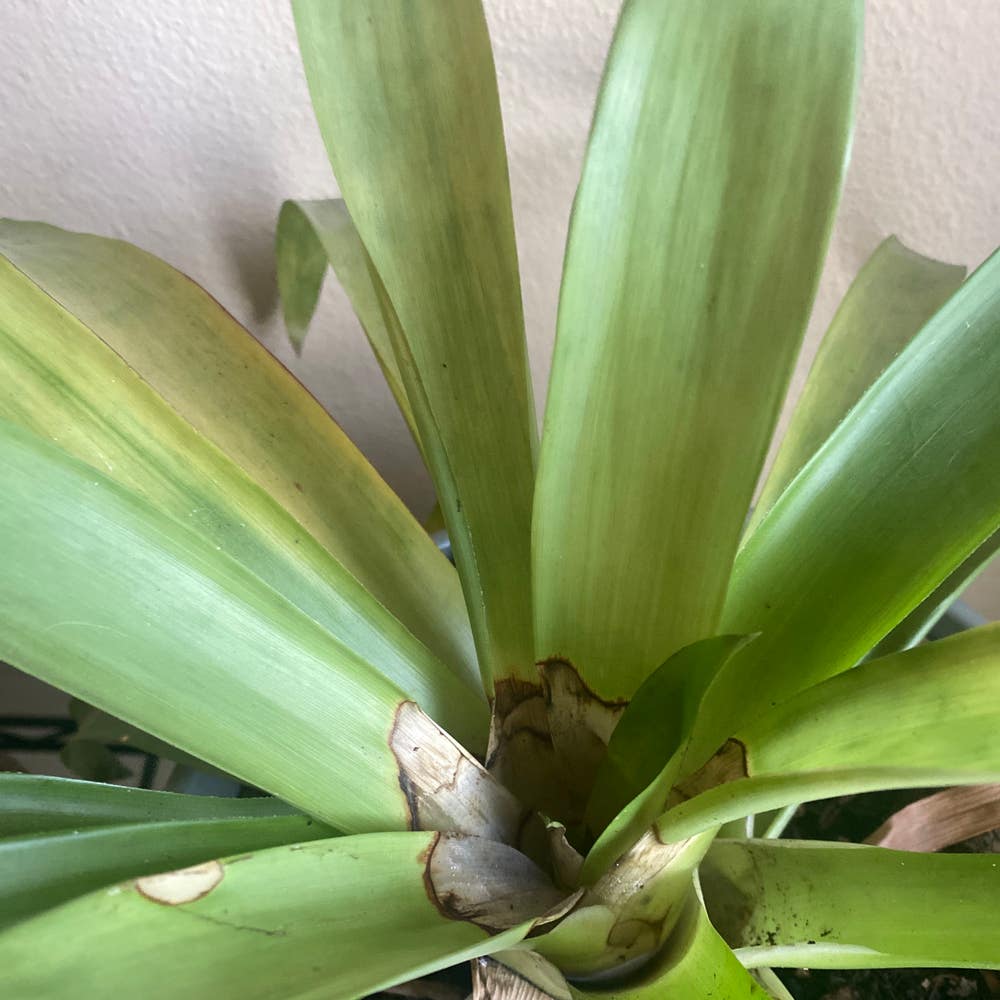
🌸 3 Tips for Pollinating Neoregelia 'Passion'
Neoregelia 'Passion'
By the Greg Editorial Team
Sep 29, 2024•6 min read
This article was created with the help of AI so we can cover more plants for you. May contain errors. See one? Report it here.
Unlock the secrets of Neoregelia 'Passion' 🌺 and boost your garden's health with its unique pollination strategies!
- 🌼 Neoregelia 'Passion' attracts bees, butterflies, and hummingbirds for effective pollination.
- 🤝 Self-pollination ensures reproduction even without external pollinators present.
- 🌿 Creating a diverse garden enhances pollinator activity and plant health.
Flower Structure
Description of Characteristics 🌺
Neoregelia 'Passion' features stunning tubular flowers that are beautifully arranged in a rosette pattern. Their bright hues not only captivate the eye but also serve to attract a variety of pollinators.
The arrangement of petals, sepals, stamens, and pistils is cleverly designed for easy access. This thoughtful structure ensures that pollinators can efficiently gather nectar and pollen.
Role in Pollination 🐝
The flower's design facilitates self-pollination, allowing it to reproduce even in the absence of external pollinators. This self-sufficiency is a remarkable trait that enhances its chances of survival.
However, Neoregelia 'Passion' also benefits from cross-pollination. Its vibrant colors and enticing fragrances draw in various pollinators, enhancing pollen transfer and genetic diversity.
This dual approach to pollination not only ensures reproductive success but also contributes to the overall health of the ecosystem. By attracting diverse pollinators, these flowers play a crucial role in maintaining biodiversity.
As we delve deeper into the pollination process, understanding these characteristics will illuminate how Neoregelia 'Passion' thrives in its environment.
Pollination Process
Self-Pollination 🌼
Neoregelia 'Passion' has a fascinating self-pollination mechanism. The flower's structure allows it to efficiently transfer pollen from its own stamens to its pistils, ensuring reproduction even in the absence of external pollinators.
This self-sufficiency can be a game-changer, especially in environments where pollinators are scarce. However, exploring additional pollination methods can enhance genetic diversity and overall plant vigor.
Identification of Primary Pollinators 🐝
When it comes to pollinators, Neoregelia 'Passion' attracts a variety of species. Key players include bees, butterflies, moths, and hummingbirds, each contributing uniquely to the pollination process.
For instance, bees are drawn to the bright colors and sweet scents, while hummingbirds are captivated by the tubular flower shape. Understanding these interactions can help you appreciate the delicate balance of nature at work.
Attraction Mechanisms 🎨
Visual cues play a crucial role in attracting pollinators to Neoregelia 'Passion.' The vibrant colors and unique shapes of the flowers are designed to catch the eye of potential pollinators.
Additionally, the floral fragrances released by the blooms serve as a beacon for specific species. These scents not only lure in pollinators but also signal the availability of nectar, creating a win-win for both the plant and its visitors.
As we delve deeper into the natural pollination process, it’s essential to recognize how these mechanisms contribute to the plant's reproductive success and overall health.
Natural Pollination
🌼 Pollen Transfer Mechanisms
Pollen transfer in Neoregelia 'Passion' occurs primarily through the actions of pollinators. As bees, butterflies, and hummingbirds visit the vibrant flowers, they inadvertently pick up pollen from the stamens and carry it to other blooms.
This natural process is crucial for successful fertilization. Pollinators not only facilitate the transfer of pollen but also ensure that the genetic material mixes, leading to healthier plants.
🐝 Importance of Pollination
Pollination plays a vital role in reproductive success. It directly influences seed and fruit production, ensuring that the next generation of Neoregelia 'Passion' thrives.
Moreover, cross-pollination enhances genetic diversity. This diversity strengthens the offspring, making them more resilient to diseases and environmental changes, ultimately contributing to a robust ecosystem.
Understanding these dynamics can inspire gardeners to appreciate the intricate relationships between plants and their pollinators. As we delve deeper into the world of hand pollination techniques, we’ll explore how to further support this essential process.
Hand Pollination Techniques
Hand pollination can be a rewarding way to ensure the reproductive success of Neoregelia 'Passion'. Here’s a straightforward guide to help you through the process.
Step-by-Step Instructions
Identifying Male and Female Flower Parts
Start by locating the male and female parts of the flower. The male components are the stamens, specifically the anthers, while the female part is the pistil, known as the stigma.Collecting Pollen
For pollen collection, use a small brush or cotton swab. Timing is crucial; aim to collect pollen during the peak flowering period for the best results.Transferring Pollen
Gently apply the collected pollen to the stigma of the female flower. Ensure that there is good contact for successful fertilization.
🌱 Ensuring Successful Fertilization
To maximize your chances of successful fertilization, consider the following factors:
Optimal Conditions
Pay attention to temperature and humidity. Ideal conditions can significantly enhance the effectiveness of your hand pollination efforts.Timing
The best times of day for hand pollination are typically in the morning or late afternoon. This is when flowers are most receptive.
By following these steps, you can effectively hand-pollinate Neoregelia 'Passion', ensuring a fruitful outcome. Next, let’s explore how to create a supportive environment for pollinators, enhancing your garden's ecosystem.
Supporting Pollinators
🌼 Creating a Pollinator-Friendly Environment
To attract pollinators to your Neoregelia 'Passion', start by creating a welcoming habitat. This means providing shelter and food sources, such as native plants that bloom at different times throughout the year.
Water sources are equally important. Consider adding small water features or shallow dishes filled with water. These not only quench the thirst of pollinators but also create a lively atmosphere in your garden.
🌿 Companion Plants
Companion plants can significantly enhance your garden's appeal to beneficial pollinators. Consider adding lavender or bee balm, both of which are known to attract bees and butterflies.
These plants do more than just look good; they create a thriving ecosystem. By supporting a variety of pollinators, you increase the chances of successful pollination for your Neoregelia 'Passion', leading to healthier plants and more vibrant blooms.
Incorporating these strategies will not only benefit your plants but also contribute to the overall health of your garden. Now, let’s explore the challenges that can arise during the pollination process.
Pollination Challenges
Common Obstacles 🌪️
Pollination can be tricky for Neoregelia 'Passion' due to environmental factors. Temperature and humidity fluctuations can significantly impact the success of pollination, making it essential to monitor these conditions closely.
Additionally, a lack of pollinators can hinder the process. Factors such as habitat loss and pesticide use contribute to reduced pollinator activity, which can be detrimental to your plants.
Solutions for Overcoming Challenges 🌼
To enhance your garden environment, consider creating a pollinator-friendly space. Planting a variety of flowers and providing shelter can attract more pollinators to your Neoregelia 'Passion.'
Timing adjustments can also improve your pollination efforts. By aligning your techniques with seasonal variations, you can optimize the chances of successful fertilization.
Impact of Environmental Factors 🌍
Varying environmental conditions can directly affect the pollination process and success rates. For instance, extreme heat or cold can deter pollinators, leading to fewer successful fertilizations.
Monitoring these environmental changes is crucial for optimal plant care. By staying aware of your garden's conditions, you can make informed decisions that support the health and productivity of your Neoregelia 'Passion.'
As you navigate these challenges, remember that creating a supportive environment can make all the difference in ensuring your plants thrive.
⚠️ Safety First
This content is for general information and may contain errors, omissions, or outdated details. It is not medical, veterinary advice, or an endorsement of therapeutic claims.
Always consult a qualified healthcare professional before using any plant as food, medicine, or supplement.
Never eat any plant (or feed one to pets) without confirming its identity with at least two trusted sources.
If you suspect poisoning, call Poison Control (800) 222-1222, the Pet Poison Helpline (800) 213-6680, or your local emergency service immediately.
Spotted an error? Please report it here.
Unlock vibrant blooms for your Neoregelia 'Passion' 🌺 by using Greg's tailored tips to create a pollinator-friendly paradise in your garden!