🧑🌾 6 Perfect Spots to Plant Your Cascade
Erica manipuliflora
By the Greg Editorial Team
Nov 07, 2024•6 min read
This article was created with the help of AI so we can cover more plants for you. May contain errors. See one? Report it here.
Unlock your Cascade's full potential with expert tips on sunlight, soil, and shelter! 🌞🌱
- ☀️ Assess sunlight patterns to find the best planting spot for your Cascade.
- 🌱 Ensure proper soil drainage to prevent root rot and promote healthy growth.
- 🌬️ Use windbreaks to protect your Cascade from harsh winds and stress.
Assessing the Best Spot
🌞 Evaluating Sunlight Patterns in Your Garden
Understanding sunlight patterns is crucial for planting your Cascade effectively. Start by observing how sunlight moves across your garden throughout the day.
Morning vs. Afternoon Light
Track light exposure over a week to see the difference between morning and afternoon light. Morning sun is often gentler, while afternoon rays can be more intense, affecting plant growth.
Seasonal Changes
The sun's path shifts with the seasons, impacting how much light your plants receive. Keep an eye on these changes to ensure your Cascade gets the right amount of sunlight year-round.
🌱 Analyzing Soil Conditions and Drainage
Soil conditions play a significant role in the health of your Cascade. Proper drainage is essential to prevent root rot and other issues.
Importance of Drainage
Look for signs of poor drainage, such as water pooling or soggy soil. If you notice these issues, consider improving drainage by adding organic matter or using raised beds.
Soil Testing Methods
Conducting soil tests can help you understand your garden's needs. You can perform DIY tests to assess pH and texture, or opt for professional soil testing services for a more detailed analysis.
🌤️ Considering Microclimates in Your Landscape
Microclimates can greatly influence the success of your Cascade. Identifying these areas will help you make informed planting decisions.
Identifying Microclimates
Factors like sun exposure, wind patterns, and moisture levels create unique microclimates in your garden. Pay attention to these elements to find the best spots for your Cascade.
Utilizing Microclimates
Once you've identified microclimates, use them to your advantage. Planting in sheltered areas can enhance growth and protect your Cascade from harsh conditions.
By carefully assessing sunlight, soil, and microclimates, you can create an ideal environment for your Cascade. This foundational knowledge will set the stage for further considerations, such as wind protection and shelter.
Wind Protection and Shelter
🌬️ Importance of Wind Protection for Cascade
Wind can be a silent enemy to your Cascade plants. It causes wind stress, which can stunt growth and weaken overall health.
Look for signs of wind damage, such as broken stems or leaf burn. These indicators signal that your plants need better protection from harsh gusts.
🛡️ Best Practices for Creating Sheltered Spots
Creating natural windbreaks is one of the best strategies for protecting your Cascade. Utilize existing trees and shrubs to shield your plants from strong winds.
If natural barriers are lacking, consider installing artificial windbreaks like fences or trellises. These structures can effectively reduce wind exposure and create a more stable environment.
Strategic planting is also crucial. Position your Cascade in relation to prevailing wind directions to maximize shelter and minimize stress.
By implementing these practices, you can ensure your Cascade thrives in a protected environment, setting the stage for vibrant growth and health.
Next, let’s explore how to choose the right indoor location for your Cascade, ensuring it receives the light it needs to flourish.
Indoor vs. Outdoor Planting
🌱 Choosing the Right Indoor Location for Cascade
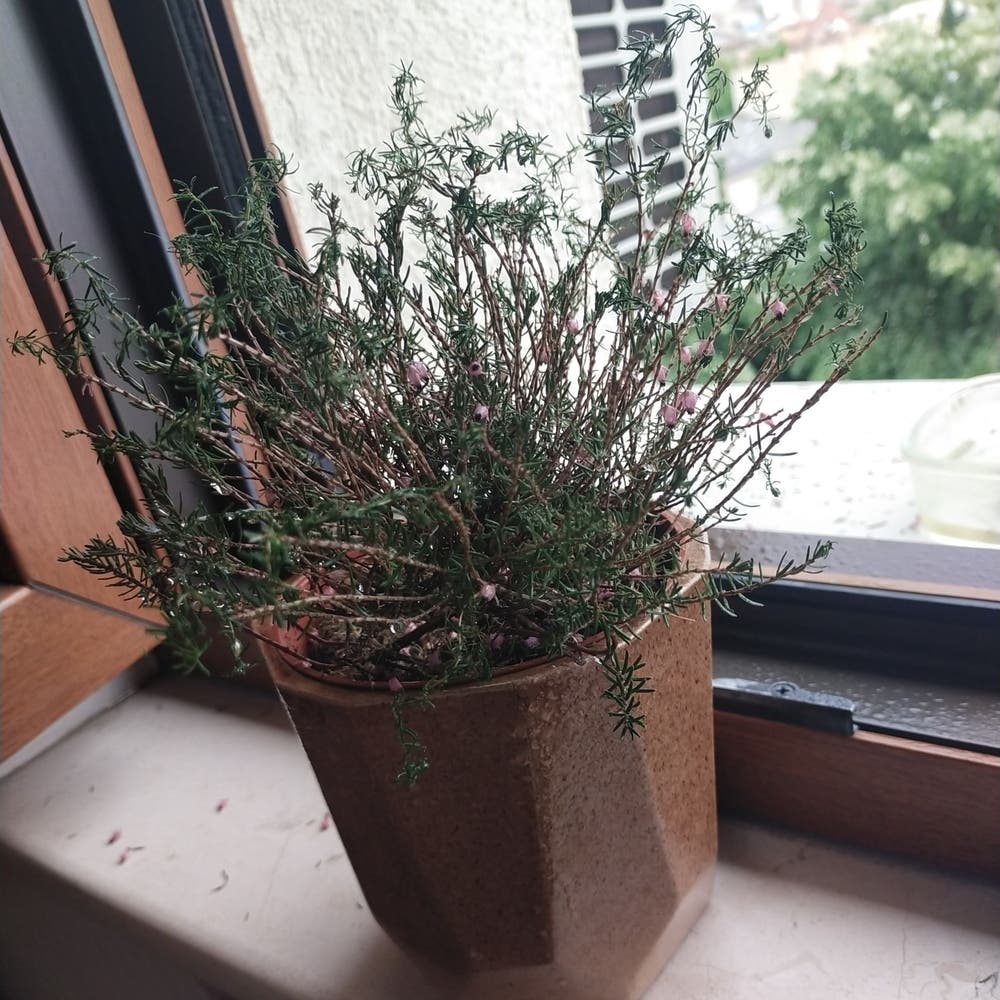
When it comes to indoor planting, light is crucial for your Cascade's health. The best spots are near windows that receive ample sunlight, ideally south-facing for maximum exposure.
If natural light is limited, consider using artificial lighting options like grow lights. These can effectively supplement light in low-light conditions, ensuring your Cascade thrives indoors.
🌞 Outdoor Placement Strategies for Optimal Growth
Selecting the right outdoor location is equally important for your Cascade's success. Start by avoiding low-lying areas where water tends to pool, as good drainage is essential for healthy growth.
Utilizing raised beds or containers can significantly enhance soil conditions and mobility. This approach not only improves drainage but also allows you to control the soil quality more effectively, giving your Cascade the best chance to flourish.
With the right indoor and outdoor strategies in place, your Cascade will be well on its way to thriving in any environment. Next, let’s explore how seasonal changes can impact your planting locations.
Seasonal Considerations
🌞 How Seasonal Changes Affect Planting Locations
Seasonal changes significantly impact where you should plant your Cascade. During summer, the sun is higher in the sky, providing more intense light, while in winter, the sun's angle lowers, resulting in less direct sunlight.
Temperature fluctuations also play a crucial role in plant health. Warmer months encourage growth, but as temperatures drop, your Cascade may require additional protection from the cold.
🌡️ Adjusting Placement Based on Seasonal Sunlight and Temperature
To optimize growth, regularly reassess your planting locations. Moving pots or adjusting your garden layout can help ensure your Cascade receives the right amount of sunlight throughout the year.
Additionally, keep an eye on moisture levels and light exposure as the seasons change. This proactive approach will help maintain the health and vitality of your plants, ensuring they thrive no matter the season.
Common Mistakes in Site Selection
🌞 Misjudging Sun Exposure
One of the most common mistakes gardeners make is misjudging how much sunlight their Cascade needs. Many assume these plants can thrive in shade, but they actually require a good amount of direct sunlight to flourish.
Planting in overly shaded areas can stunt growth and lead to weak, leggy plants. Always assess the sunlight patterns in your garden before deciding where to place your Cascade.
🚰 Ignoring Soil Drainage Needs
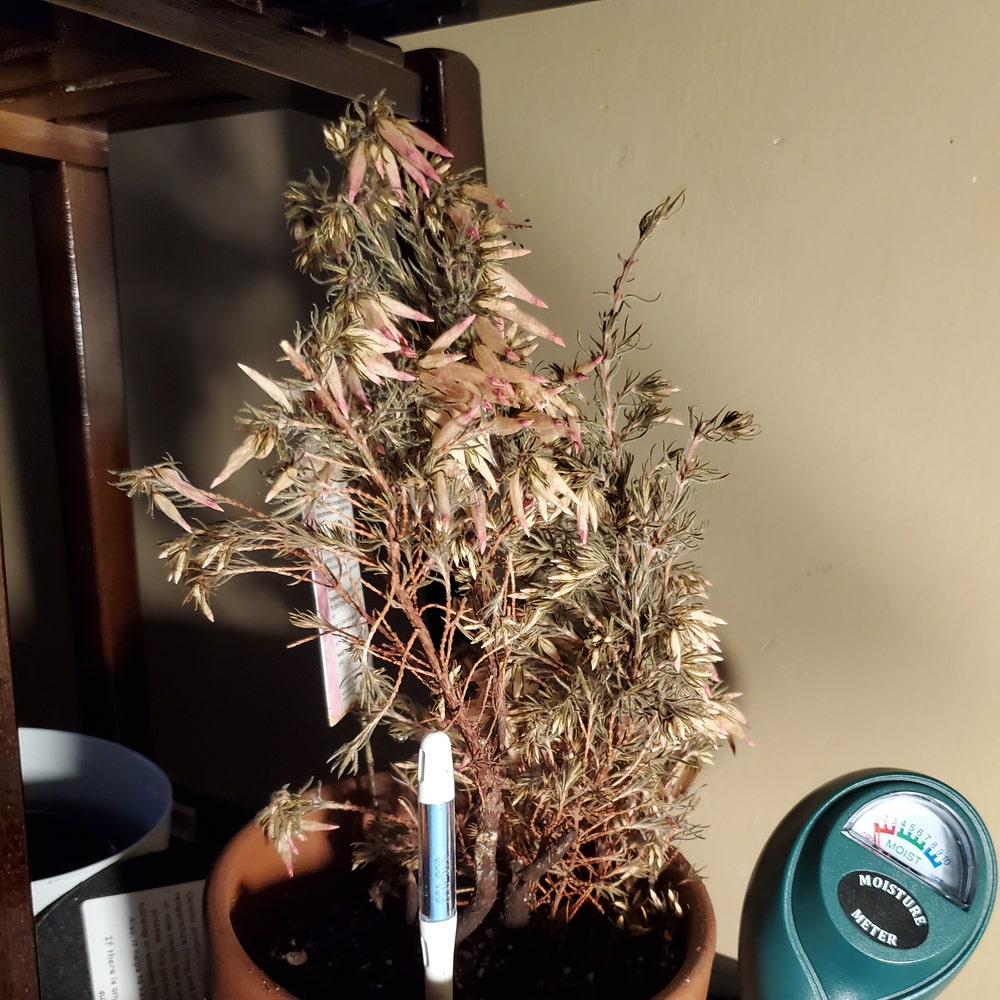
Another critical error is ignoring the importance of soil drainage. Signs of inadequate drainage include water pooling around the roots or consistently soggy soil, which can lead to root rot.
To remedy poor drainage, consider amending your soil with organic matter or relocating your plants to a better-draining area. This simple adjustment can make a significant difference in the health of your Cascade.
🌱 Overcrowding with Other Plants
Overcrowding is a common pitfall that can severely impact your Cascade's growth. When plants are too close together, they compete for essential resources like water, nutrients, and sunlight.
To avoid this, plan for adequate spacing between your plants. A good rule of thumb is to maintain at least 18 to 24 inches between each Cascade to ensure they have room to thrive.
By being mindful of these common mistakes, you can set your Cascade up for success. Next, let’s explore the importance of wind protection and how to create sheltered spots for your plants.
⚠️ Safety First
This content is for general information and may contain errors, omissions, or outdated details. It is not medical, veterinary advice, or an endorsement of therapeutic claims.
Always consult a qualified healthcare professional before using any plant as food, medicine, or supplement.
Never eat any plant (or feed one to pets) without confirming its identity with at least two trusted sources.
If you suspect poisoning, call Poison Control (800) 222-1222, the Pet Poison Helpline (800) 213-6680, or your local emergency service immediately.
Spotted an error? Please report it here.
Create the perfect home for your Cascade 🌱 by leveraging Greg's tailored care tips and reminders to ensure your plants thrive in their ideal environment!