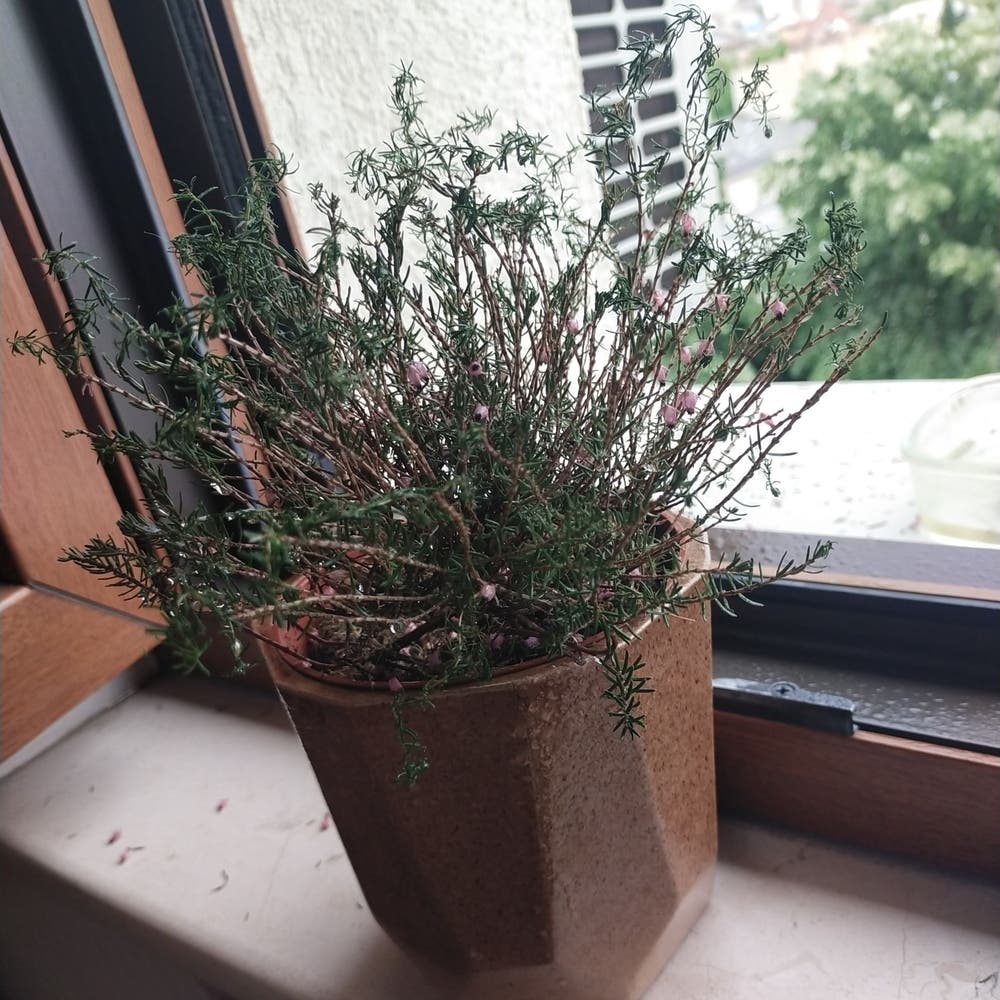
💧 How to Cure Leaves Falling Over on Your Cascade
Erica manipuliflora
By the Greg Editorial Team
Nov 07, 2024•5 min read
This article was created with the help of AI so we can cover more plants for you. May contain errors. See one? Report it here.
Revive your Cascade plant 🌱 with essential care tips for vibrant growth and lasting health!
- 💧 Water your Cascade when the top inch of soil is dry, every 1-2 weeks.
- 🌞 Provide bright, indirect light; relocate if necessary for optimal growth.
- 🌿 Monitor humidity levels between 40%-60% to prevent leaf drop and promote health.
Diagnosing the Problem
🌊 Assessing Watering Practices
To keep your Cascade thriving, understanding its watering needs is crucial. Generally, you should water when the top inch of soil feels dry, which typically means watering every 1-2 weeks.
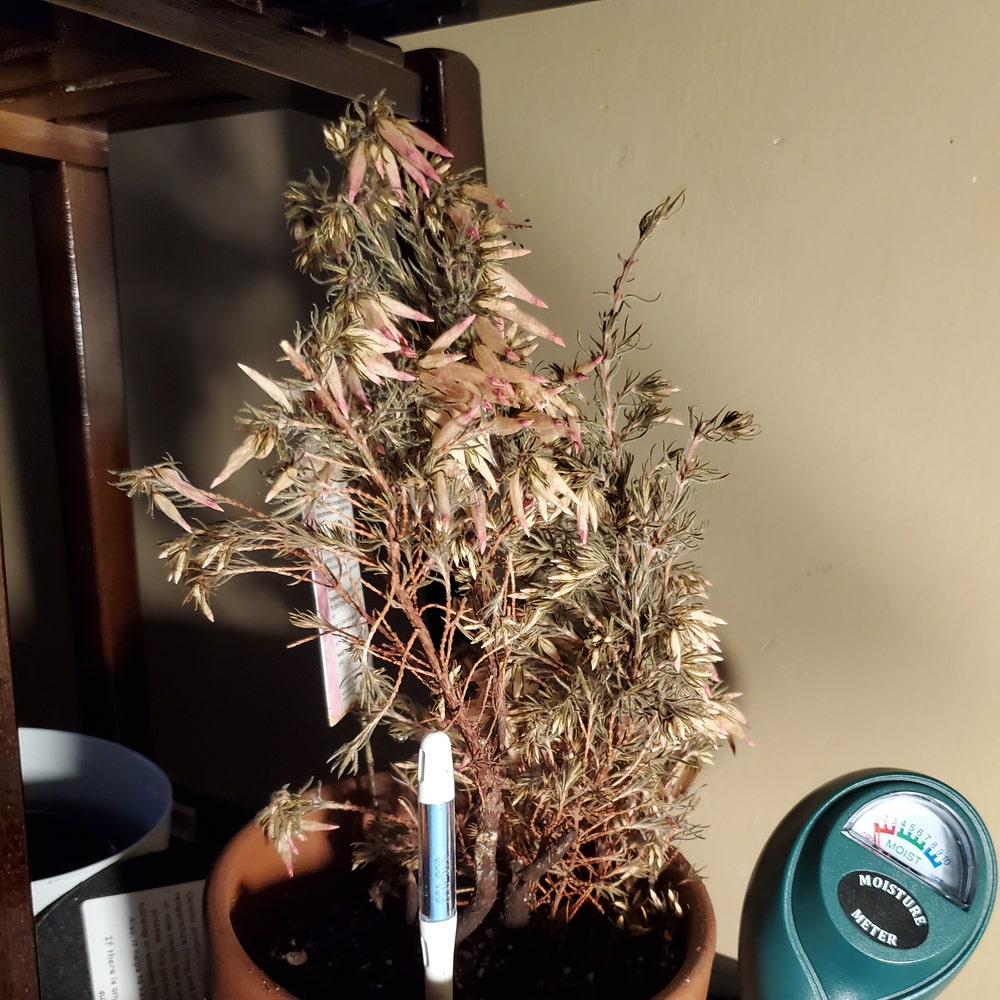
Checking soil moisture is simple. Use your finger to gauge moisture levels or invest in a moisture meter for a more precise reading.
☀️ Evaluating Light Exposure
Light is vital for your Cascade's health. Use a light meter or a simple smartphone app to measure light intensity, ensuring your plant receives adequate sunlight.
If your Cascade isn’t thriving, consider relocating it. Find a spot that offers bright, indirect light, as this is ideal for optimal growth.
💧 Checking Humidity Levels
Humidity plays a significant role in your plant's well-being. Aim for a humidity range of 40%-60% to keep your Cascade happy and healthy.
To measure humidity, you can use a hygrometer or observe visual cues, like leaf curling or browning, which indicate low humidity levels.
🐛 Inspecting for Pests and Diseases
Pests can wreak havoc on your Cascade if left unchecked. Common culprits include spider mites, which leave webbing and cause leaf stippling, and aphids, known for their sticky residue and distorted leaves.
Additionally, keep an eye out for signs of fungal infections. Symptoms may include discolored spots on leaves or a powdery coating, indicating a need for immediate action.
By diagnosing these issues early, you can take the necessary steps to restore your Cascade to its full glory. Next, we’ll explore effective solutions to combat these problems and promote healthy growth.
Solutions for Leaf Drop
🌊 Adjusting Watering Techniques
To help your Cascade thrive, establish a consistent watering schedule. Generally, watering once a week is ideal, but always adjust based on the season and humidity levels.
Proper watering is crucial. Check the soil texture; it should feel moist but not soggy. Healthy leaves will appear vibrant and firm, signaling that your plant is well-hydrated.
☀️ Modifying Light Conditions
Light exposure plays a significant role in your Cascade's health. If your plant is struggling, consider moving it to a brighter location where it can soak up more sunlight.
In cases where natural light is lacking, grow lights can be a game changer. These artificial lights can provide the necessary intensity to keep your Cascade flourishing.
💧 Increasing Humidity Around the Plant
Humidity is vital for your Cascade's well-being. If the air in your home is dry, consider using a humidifier to maintain optimal moisture levels.
Another simple method is to create pebble trays. Fill a shallow tray with pebbles and water, then place your plant on top. This DIY solution can significantly boost humidity around your plant.
🐛 Treating Pest Infestations
Pests can be a sneaky cause of leaf drop. Regularly inspect your Cascade for signs of trouble, such as webbing from spider mites or sticky residue from aphids.
If you spot pests, treatment options abound. Organic solutions like neem oil and insecticidal soap are effective and safer for your plant. For severe infestations, chemical treatments may be necessary, but use them as a last resort.
By addressing these key areas, you can help your Cascade recover from leaf drop and thrive once again. Next, we'll explore preventative measures to keep your plant healthy in the long run.
Preventative Measures
🌱 Best Practices for Cascade Care
Establishing a regular watering schedule is crucial for your Cascade's health. Aim to water consistently, allowing the top inch of soil to dry out between sessions.
Monitoring soil conditions is equally important. Regular checks can help you identify any issues before they escalate, ensuring your plant remains vibrant and healthy.
🍂 Seasonal Care Tips for Cascade
As the seasons change, so should your care routine. Adjust light exposure and temperature settings to match the needs of your Cascade throughout the year.
Anticipating environmental stressors can make a significant difference. Be proactive in preparing your plant for seasonal shifts, ensuring it thrives no matter the weather.
✂️ Regular Maintenance Routines
Incorporating pruning techniques into your care routine encourages healthy growth. Regularly trim dead or yellowing leaves to promote new foliage and maintain your plant's aesthetic appeal.
Fertilizing your Cascade at the right times is essential for nutrient uptake. Follow best practices for feeding, ensuring your plant receives the necessary elements to flourish without overdoing it.
By implementing these preventative measures, you can create a nurturing environment for your Cascade. This proactive approach will help you enjoy a thriving plant and minimize future issues.
Next, let’s explore how to monitor your Cascade's progress and recognize signs of recovery.
Monitoring and Follow-Up
🌱 Signs of Recovery in Cascade
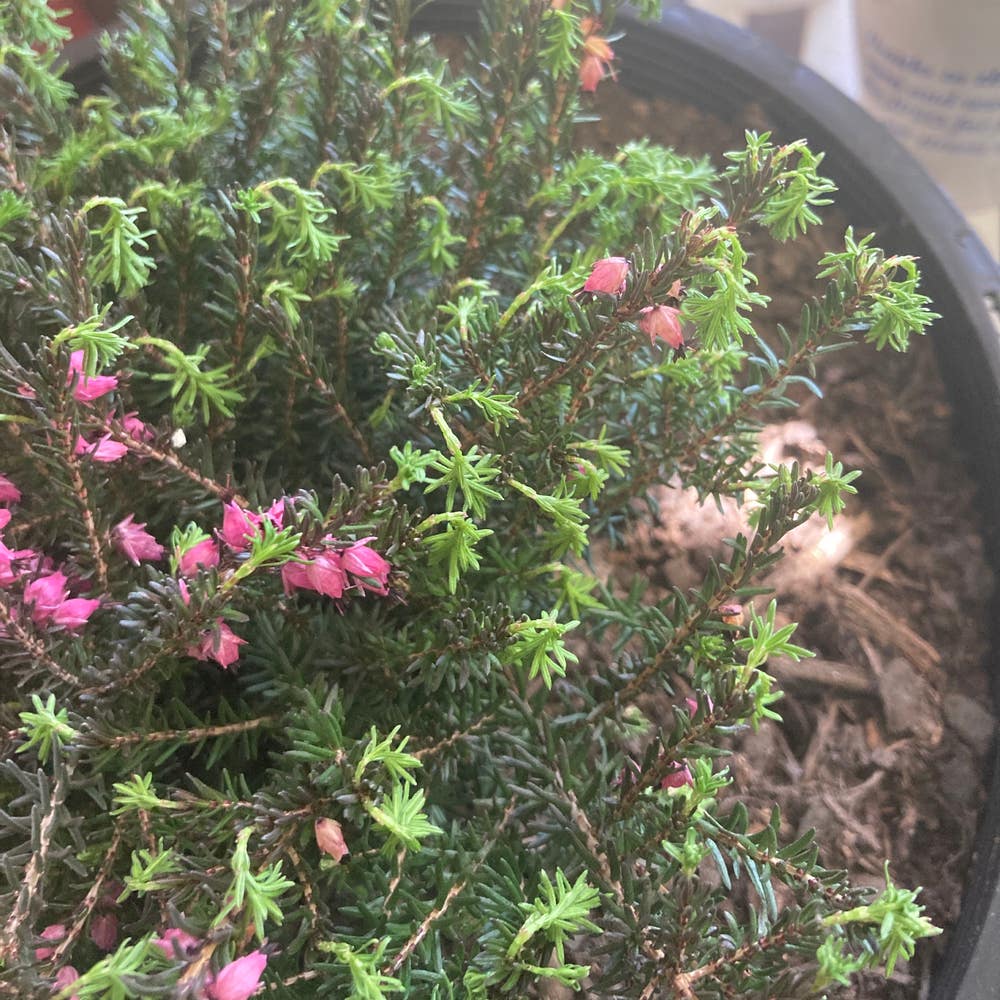
When your Cascade begins to recover, you'll notice some clear visual indicators. Look for new growth and healthy leaves sprouting, signaling that your plant is bouncing back.
In addition to new leaves, pay attention to behavioral changes. Increased vigor and resilience, such as a more robust appearance and improved leaf color, are great signs that your care efforts are paying off.
🆘 When to Seek Professional Help
Sometimes, despite your best efforts, issues persist. If you notice ongoing problems like leaf drop or stunted growth, it may be time to seek professional intervention.
Finding a local plant specialist can provide the expertise needed to diagnose and treat persistent issues effectively. Resources like gardening centers or online plant care forums can help you connect with knowledgeable professionals.
📓 Keeping a Care Journal for Your Cascade
Tracking your care routines is essential for maintaining your Cascade's health. A care journal helps you monitor what works and what doesn’t, leading to better plant care decisions.
Consider including entries for watering dates, light exposure, and any pest treatments. This practice not only enhances your plant's well-being but also deepens your understanding of its needs over time.
As you monitor your Cascade's progress, remember that patience is key. With consistent care and attention, your plant will thrive, leading to a flourishing indoor garden.
⚠️ Safety First
This content is for general information and may contain errors, omissions, or outdated details. It is not medical, veterinary advice, or an endorsement of therapeutic claims.
Always consult a qualified healthcare professional before using any plant as food, medicine, or supplement.
Never eat any plant (or feed one to pets) without confirming its identity with at least two trusted sources.
If you suspect poisoning, call Poison Control (800) 222-1222, the Pet Poison Helpline (800) 213-6680, or your local emergency service immediately.
Spotted an error? Please report it here.
Keep your Cascade thriving 🌱 by using Greg's personalized reminders and moisture tracking to ensure it gets the right care for vibrant growth!