🐞 What's Eating Your Cascade
Erica manipuliflora
By the Greg Editorial Team
Nov 07, 2024•8 min read
This article was created with the help of AI so we can cover more plants for you. May contain errors. See one? Report it here.
Protect your stunning Cascade plants from herbivores while nurturing a vibrant garden ecosystem! 🌱
- 🌼 Cascade plants attract pollinators with vibrant blooms, enhancing garden beauty and biodiversity.
- 🦌 Deer and rabbits threaten Cascade plants, but effective deterrents can protect them.
- 🌱 Mild toxicity of Cascade plants deters herbivores but may pose risks to pets.
Description and Appeal of Cascade
Appearance and Attractive Parts 🌿
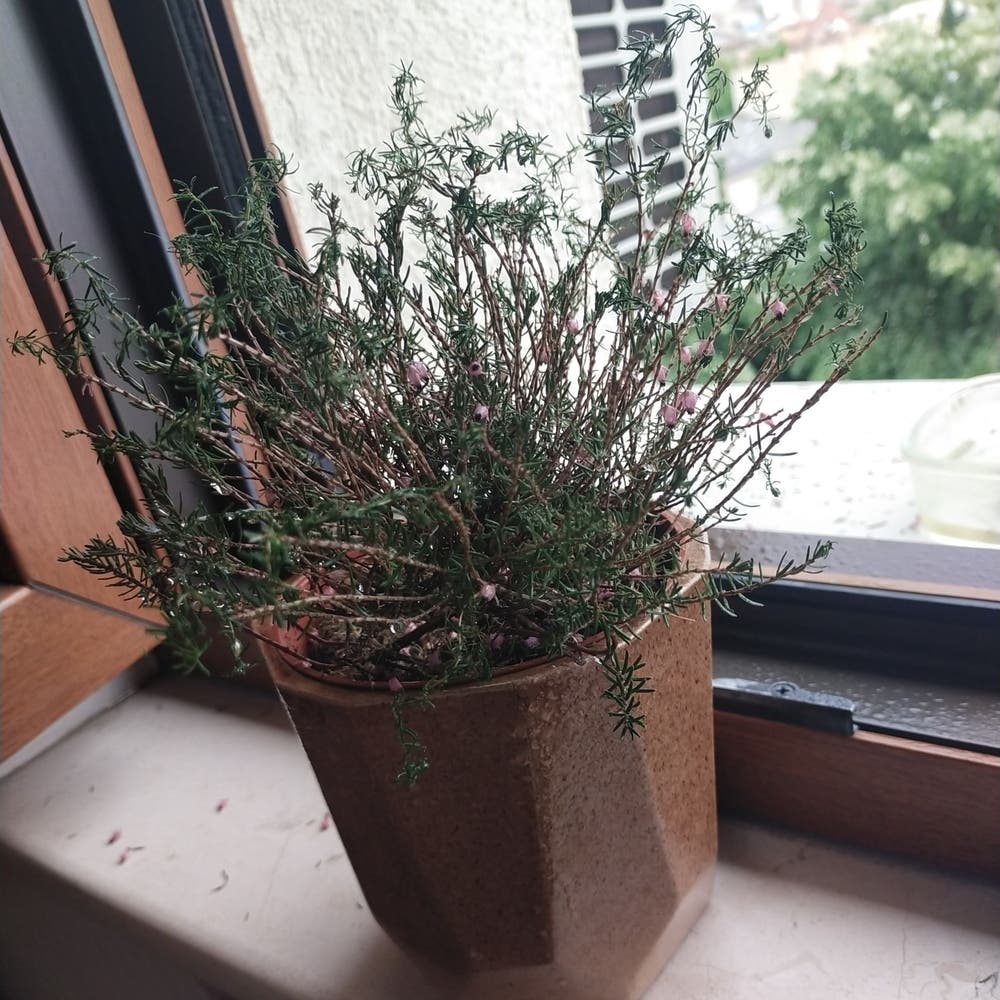
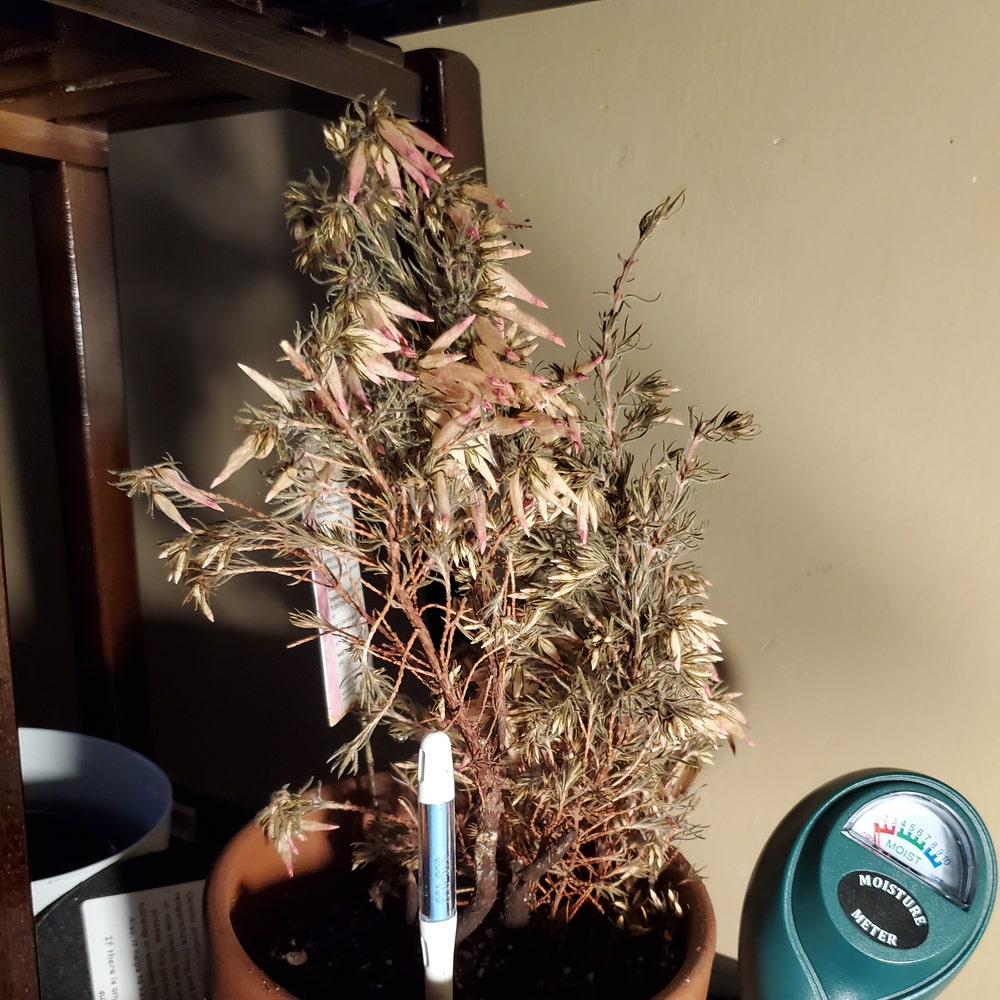
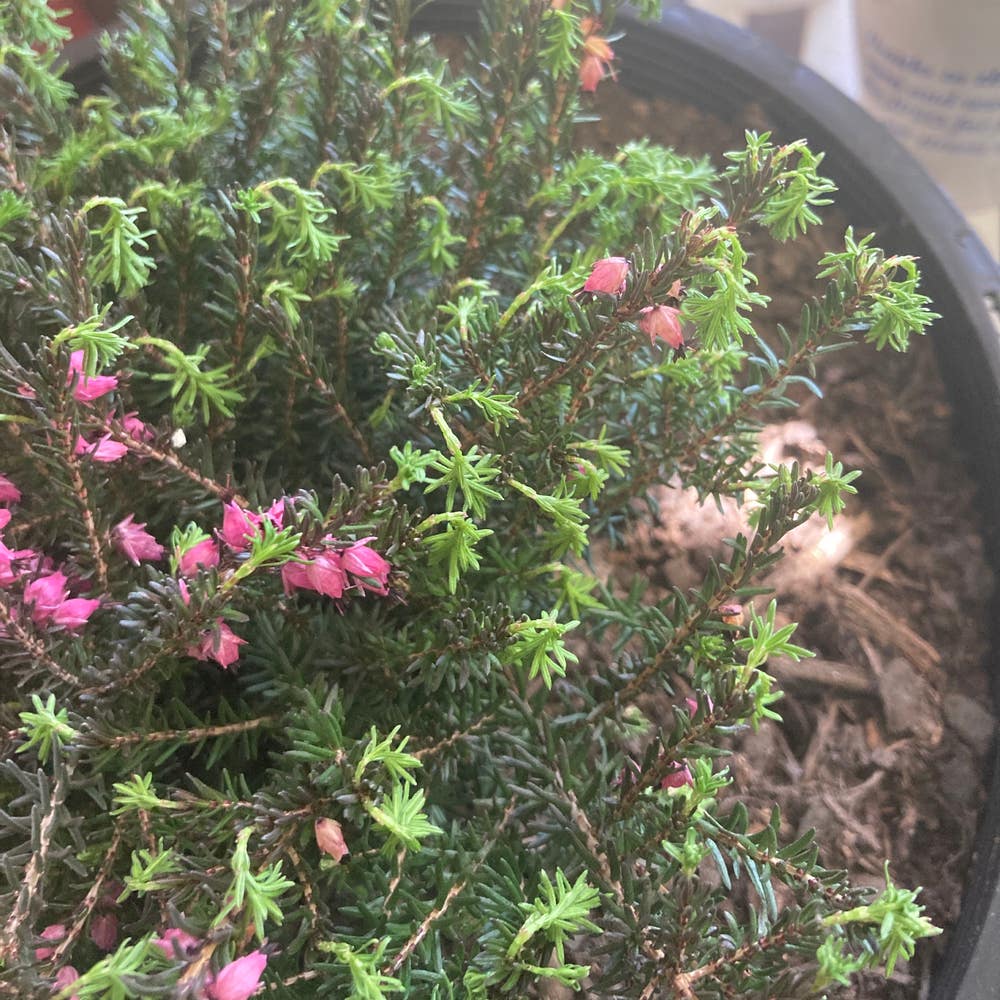
Cascade plants are a feast for the eyes, boasting vibrant foliage that captivates with its rich colors and unique textures. The leaves can vary in shape, creating a dynamic visual appeal that changes throughout the seasons.
Attractive Flowers 🌸
When it comes to flowers, Cascades shine brightly. They bloom in a stunning array of colors during their peak season, drawing in admirers and pollinators alike.
Parts Appealing to Animals 🦋
Not only are Cascades visually appealing, but they also offer a buffet for local wildlife. Young shoots, succulent fruits, and fragrant flowers attract various herbivores, making them a central part of the garden ecosystem.
The allure of Cascade plants lies in their beauty and their role in nature. Understanding these aspects can help you appreciate their value in your garden and the broader environment.
Common Herbivores Affecting Cascade
🦌 Deer
Signs of Presence and Damage Caused
Deer are often the first culprits when it comes to damage to Cascade plants. Look for hoof prints in muddy areas and jagged edges on leaves, which indicate browsing patterns.
Beneficial vs. Harmful Interactions
While deer can decimate Cascade populations, they also play a role in seed dispersal. However, their harmful impact generally outweighs any potential benefits.
Deterrent Methods
To keep deer at bay, consider using commercial deer repellents. Alternatively, you can plant deer-resistant companion plants or use human hair and soap shavings as organic deterrents.
🐇 Rabbits
Signs of Presence and Damage Caused
Rabbits leave small, round tracks and droppings near Cascade plants. Their damage is characterized by cleanly cut stems and leaves, often nibbled right at ground level.
Beneficial vs. Harmful Interactions
Rabbits can severely impact young plants, making them generally harmful. However, they may attract predators that help control other pest populations.
Deterrent Methods
Bitter-tasting sprays can deter rabbits effectively. For an organic approach, consider fencing that stands 2-3 feet high or using repellents like cayenne pepper.
🐿️ Squirrels
Signs of Presence and Damage Caused
Squirrels often leave behind chewed branches and fruits. You might also notice signs of nesting in nearby trees, indicating their presence.
Beneficial vs. Harmful Interactions
While squirrels can damage fruits and flowers, they also contribute to seed dispersal and pollination. Still, their negative impact on plants is more pronounced.
Deterrent Methods
Capsaicin-based sprays serve as effective chemical deterrents against squirrels. For a more organic solution, install squirrel-proof feeders or use reflective objects to keep them away.
🐦 Birds
Signs of Presence and Damage Caused
Look for pecking marks on fruits and flowers as signs of bird activity. Nesting behavior, such as birds building nests in or near Cascade, can also indicate their presence.
Beneficial vs. Harmful Interactions
Birds are generally beneficial, aiding in pollination and pest control. However, they can also cause damage to fruits and flowers, creating a mixed relationship.
Deterrent Methods
Non-toxic bird repellents can help manage bird populations. Additionally, using netting over fruits or scare devices like shiny objects can deter them effectively.
🐭 Rodents (Mice, Voles, etc.)
Signs of Presence and Damage Caused
Rodents create tunnels and burrows near the base of Cascade plants. You may also find gnawed stems and roots, indicating their feeding habits.
Beneficial vs. Harmful Interactions
Rodents are generally harmful, causing significant plant damage. However, they can also aid in soil aeration and nutrient cycling, presenting a complex relationship.
Deterrent Methods
Rodent bait stations are a common chemical deterrent. For an organic approach, traps and planting deterrent plants like mint can be effective.
🦡 Groundhogs/Woodchucks
Signs of Presence and Damage Caused
Groundhogs leave large burrows and trails leading to Cascade plants. Their damage often includes gnawed stems and leaves, typically at ground level.
Beneficial vs. Harmful Interactions
These animals are generally harmful, capable of destroying entire plants. Yet, they can also contribute to soil aeration and pest control, adding to their complexity.
Deterrent Methods
Commercial repellents can help deter groundhogs, but they may require more effort. Organic methods include fencing that stands 3-4 feet high or using motion-activated sprinklers to keep them away.
Understanding the various herbivores that affect Cascade plants is crucial for maintaining a healthy garden. By implementing effective deterrent methods, you can protect your plants while appreciating the role these animals play in the ecosystem. Next, we'll explore the beneficial animals and insects that can enhance your garden's health.
Beneficial Animals and Insects
🐝 Description of Beneficial Animals
In the garden, beneficial animals play a crucial role in maintaining a healthy ecosystem. Pollinators like bees and butterflies are essential for plant reproduction, transferring pollen as they flit from flower to flower.
Predatory insects, such as ladybugs and lacewings, help control pest populations. They feast on aphids and other harmful insects, acting as nature's pest control agents.
🌱 Positive Impacts on the Garden Ecosystem
The presence of these beneficial creatures enhances biodiversity, making your garden more resilient to diseases and pests. This diversity promotes healthy plant growth through natural interactions, creating a balanced environment.
By fostering a habitat for these animals, you not only support their populations but also improve the overall health of your garden. Embracing these allies can lead to a flourishing landscape that thrives without excessive chemical interventions.
As you cultivate your garden, remember the importance of these beneficial animals. Their contributions are vital for a vibrant, sustainable ecosystem that benefits both plants and gardeners alike.
General Strategies for Protecting Cascade
🛡️ Preventive Measures for Herbivore Damage
To safeguard your Cascade plants, consider effective planting strategies. Companion planting can create a natural barrier against herbivores while enhancing biodiversity.
Strategic placement of plants can also deter unwanted visitors. Positioning Cascade near less palatable plants may help keep herbivores at bay.
Physical barriers are another essential tactic. Installing fencing or netting around your Cascade can provide a robust defense against various animals.
⚠️ Reactive Solutions for Managing Animal Interactions
Monitoring your garden is crucial for early intervention. Regularly check for signs of animal activity to address potential issues before they escalate.
Adjusting care practices based on observed animal interactions can also be beneficial. If you notice increased browsing, consider changing your watering or fertilization schedule to strengthen your plants.
🌱 Balancing Ecosystem Health While Protecting Cascade
Understanding the role of herbivores in the ecosystem is vital. While they can pose a threat to your Cascade, they also contribute to the overall health of your garden.
Implementing integrated pest management strategies allows you to protect your plants while maintaining ecological balance. This approach promotes a thriving garden environment, benefiting both your Cascade and the surrounding wildlife.
As you explore these strategies, remember that a healthy garden thrives on balance. With thoughtful planning and proactive measures, you can enjoy the beauty of your Cascade while coexisting with nature.
Seasonal Considerations
🌱 Seasonal Variations in Animal Attraction
Spring and early summer mark the peak activity for many herbivores. During this time, animals like deer, rabbits, and squirrels are particularly drawn to the tender young shoots and fruits of the Cascade.
These vulnerable parts of the plant are not only nutritious but also easy for herbivores to access. As the Cascade begins to bloom, it becomes a buffet for these hungry visitors, making it crucial for gardeners to be vigilant.
⏰ Timing of Plant Vulnerability and Animal Activity
Understanding the growth stages of Cascade can help you anticipate herbivore feeding habits. For instance, young shoots are most susceptible in early spring, while fruits attract attention in mid-summer.
Adjusting your care practices based on these seasonal changes can make a significant difference. Consider implementing protective measures, like netting or fencing, during peak vulnerability periods to safeguard your plants.
By staying proactive and aware of these seasonal dynamics, you can better protect your Cascade while fostering a thriving garden ecosystem.
Toxicity and Safety
💬 Discussion of Toxic Effects
Cascade plants possess mild toxicity, primarily in certain parts that can deter herbivores. This natural defense mechanism helps protect the plant from being overgrazed, ensuring its survival in the garden.
However, it's essential to be aware of the potential effects on common garden animals. Symptoms of toxicity can include gastrointestinal upset and lethargy, which may pose risks if ingested in significant amounts.
🐾 Safety Considerations for Gardeners and Pets
When handling Cascade, gardeners should take precautions to minimize exposure. Wearing gloves can prevent skin irritation, and washing hands thoroughly after contact is advisable.
For pet owners, it's crucial to monitor pets around Cascade plants. While the toxicity is mild, keeping pets from nibbling on the foliage can help avoid any adverse reactions. Always consult a veterinarian if you suspect your pet has ingested any part of the plant.
Understanding the toxicity of Cascade not only helps in protecting your garden but also ensures the safety of your furry friends. With the right precautions, you can enjoy the beauty of Cascade while keeping your environment safe and healthy.
As we explore further, let’s look at the beneficial animals and insects that contribute positively to the garden ecosystem.
⚠️ Safety First
This content is for general information and may contain errors, omissions, or outdated details. It is not medical, veterinary advice, or an endorsement of therapeutic claims.
Always consult a qualified healthcare professional before using any plant as food, medicine, or supplement.
Never eat any plant (or feed one to pets) without confirming its identity with at least two trusted sources.
If you suspect poisoning, call Poison Control (800) 222-1222, the Pet Poison Helpline (800) 213-6680, or your local emergency service immediately.
Spotted an error? Please report it here.
Safeguard your stunning Cascade plants from herbivores 🦌 with Greg's personalized tips and reminders, ensuring they flourish while enhancing your garden's biodiversity! 🌱