❄️ Top 7 Signs Your Cascade is Stressed in Winter
Erica manipuliflora
By the Greg Editorial Team
Nov 07, 2024•5 min read
This article was created with the help of AI so we can cover more plants for you. May contain errors. See one? Report it here.
Ensure your Cascade thrives this winter 🌿 with essential care tips for a vibrant spring revival!
- 🍂 Yellowing leaves and drooping stems indicate winter stress in your Cascade.
- ❄️ Frost protection is crucial; use cloths or relocate plants to sheltered spots.
- 🌞 Bright, indirect sunlight prevents leaf scorch and supports healthy growth.
Signs of Stress in Cascade
🌿 Yellowing Leaves and Leaf Drop
Yellowing leaves are often the first sign that your Cascade is stressed. This discoloration can indicate nutrient deficiencies or environmental stressors that need addressing.
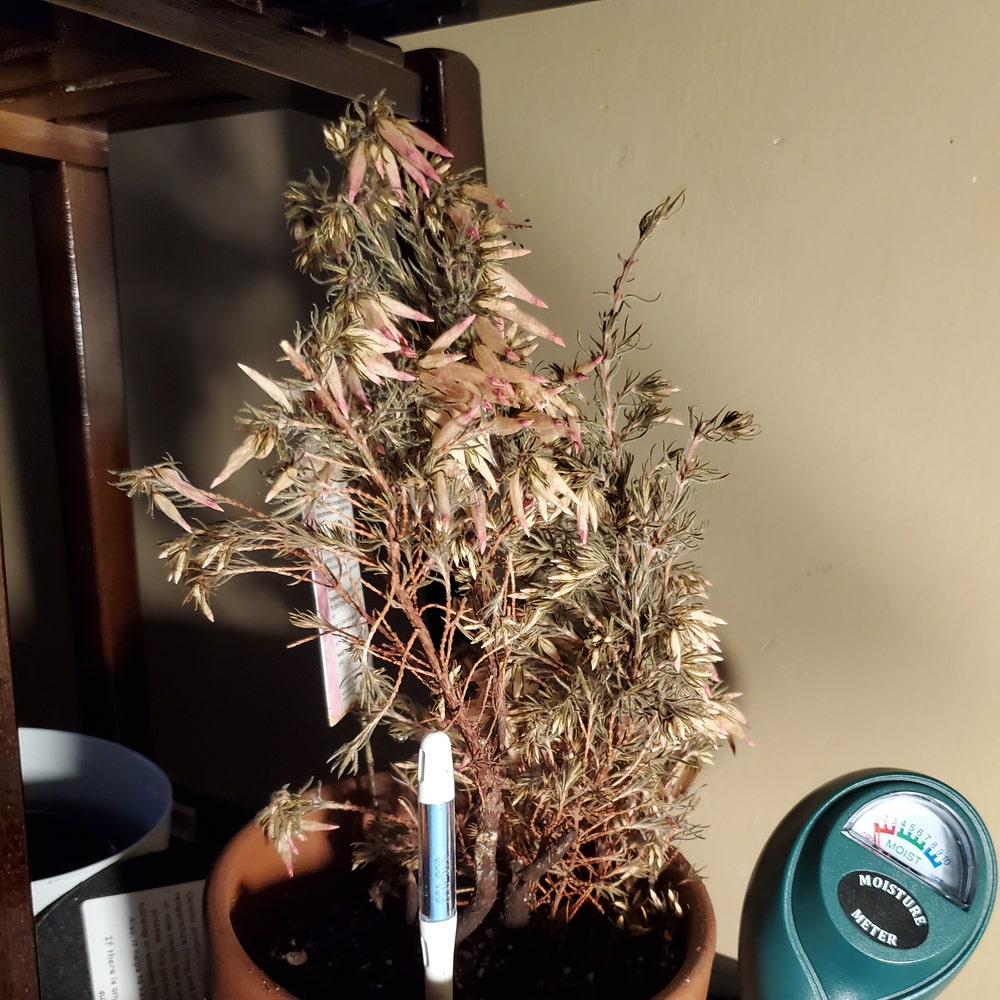
Premature leaf drop is another concerning symptom. It can occur due to extreme cold or improper care, signaling that your plant may be struggling to cope with its environment.
💧 Wilting or Drooping Stems
Wilting or drooping stems are clear indicators of distress. Insufficient water or extreme temperature fluctuations can lead to this condition, which requires immediate attention.
Monitoring stem health is crucial. Drooping stems can signify severe stress or dehydration, and catching this early can make a significant difference in recovery.
📉 Stunted Growth or Lack of New Growth
During winter, it's normal to expect minimal growth from your Cascade. However, stunted growth can indicate underlying issues that need to be addressed.
Factors such as poor light conditions or nutrient deficiencies during dormancy can hinder growth. Keeping an eye on these elements can help you maintain a healthy plant.
🔥 Browning Leaf Edges or Tips
Browning leaf edges or tips are symptoms of stress that shouldn't be ignored. This browning can indicate frost damage or underwatering, both of which can be detrimental to your plant's health.
Timely intervention is essential. Addressing browning promptly can prevent further damage and help your Cascade bounce back more effectively.
Recognizing these signs of stress is the first step in ensuring your Cascade thrives through winter. By being proactive, you can implement effective winter care techniques to support your plant's health.
Winter Care Techniques
❄️ Frost Protection Methods
Protecting your Cascade from frost is crucial for its survival. Use frost cloths or burlap to cover your plants during extreme cold spells.
Mulching is another effective strategy. A layer of mulch around the base helps insulate roots and retain moisture, providing a buffer against harsh winter conditions.
Consider the location of your potted Cascades as well. Moving them to sheltered areas during frost events can significantly reduce the risk of damage.
💧 Adjusting Watering Schedules for Winter
In winter, it's essential to adjust your watering routine. Reduce the frequency of watering and allow the soil to dry out slightly between waterings to prevent root rot.
Be vigilant for signs of overwatering, such as wilting despite wet soil. Ensuring your pots have adequate drainage is vital to prevent waterlogging and keep your Cascade healthy.
🌱 Fertilizing During Dormancy
When it comes to fertilization, patience is key. Avoid fertilizing your Cascade during its dormant winter phase; wait until spring growth resumes for the best results.
In early spring, consider using slow-release fertilizers to support new growth. Maintaining a proper nutrient balance is crucial for promoting healthy recovery as your Cascade awakens from dormancy.
By following these winter care techniques, you can help your Cascade thrive through the cold months, setting the stage for a vibrant spring. Next, let’s explore how to provide the best indoor winter care for your plants.
Indoor Winter Care
Conditions for Indoor Placement 🌡️
To keep your Cascade thriving indoors during winter, aim for a temperature range of 60°F to 70°F (15°C to 21°C). This temperature balance helps prevent stress and supports healthy growth.
Humidity is another crucial factor. Cascades prefer moderate humidity levels, so consider using a humidifier if your indoor air is too dry. This small adjustment can make a big difference in your plant's health.
Light Requirements 💡
When it comes to light, position your Cascade near bright, indirect sunlight. Direct harsh sunlight can scorch the leaves, leading to stress and damage.
Don't forget to rotate your plant periodically. This ensures even light distribution, helping all sides of the plant receive the necessary sunlight for optimal growth. Regular rotation can prevent uneven growth and keep your Cascade looking lush and vibrant.
By providing the right indoor conditions, you set the stage for a healthy and happy Cascade throughout the winter months. Next, let’s explore how to prepare for spring growth and recovery.
Spring Preparation and Recovery
🌨️ Assessing Winter Damage
As winter fades, it's crucial to assess your Cascade for any signs of damage. Look for dead branches, leaf discoloration, and overall plant vigor to gauge its health.
🔍 Importance of Early Assessment
Identifying damage early allows for timely intervention, which can significantly improve your plant's recovery chances. Don't wait too long; a quick check can make all the difference.
✂️ Steps for Recovery and Rejuvenation
Pruning Dead or Damaged Branches: Use clean, sharp tools to prune away any dead or damaged branches. This helps prevent disease and encourages new growth.
Adjusting Watering and Fertilization: Gradually increase your watering schedule and apply a balanced fertilizer. This will help your Cascade regain strength after the harsh winter months.
Monitoring for Pests: Keep an eye out for any pest infestations that may have developed during winter. Early detection is key to managing any issues effectively.
🌱 Preparing for Spring Growth
Transitioning care as spring approaches is essential for your Cascade's revival. Gradually reintroduce regular watering and fertilization as temperatures rise.
🌞 Importance of Acclimatization
Allow your Cascade to adjust to increased light and temperature gradually. This acclimatization process is vital for preventing shock and promoting healthy growth.
🌿 Encouraging New Growth
Provide optimal conditions to support vigorous spring growth. With the right care, your Cascade can flourish and thrive in the warmer months ahead.
As you prepare for spring, remember that attentive care during this transition period sets the stage for a vibrant growing season. Next, let’s explore indoor winter care techniques to ensure your plants stay healthy even when the weather turns cold.
⚠️ Safety First
This content is for general information and may contain errors, omissions, or outdated details. It is not medical, veterinary advice, or an endorsement of therapeutic claims.
Always consult a qualified healthcare professional before using any plant as food, medicine, or supplement.
Never eat any plant (or feed one to pets) without confirming its identity with at least two trusted sources.
If you suspect poisoning, call Poison Control (800) 222-1222, the Pet Poison Helpline (800) 213-6680, or your local emergency service immediately.
Spotted an error? Please report it here.
Recognize the winter stress signals in your Cascade 🌨️ and let Greg guide you with tailored care reminders to keep your plant thriving all season long!