3 Tips for Healing Dropping Leaves on Your Cascade 🩹
Erica manipuliflora
By the Greg Editorial Team
Nov 07, 2024•4 min read
This article was created with the help of AI so we can cover more plants for you. May contain errors. See one? Report it here.
Transform your Cascade plant care 🌱 by learning to diagnose and prevent leaf drop for vibrant growth!
- 💧🌱 Recognize overwatering and underwatering signs to maintain a healthy Cascade plant.
- 🐜 Identify pests early to prevent damage and ensure your Cascade thrives.
- 🌞🌬️ Adjust light and humidity for optimal growth and to prevent leaf drop.
Diagnosing the Problem
🚰 Signs of Overwatering and Underwatering
Understanding the signs of overwatering and underwatering is crucial for your Cascade plant's health.
Overwatering can manifest as yellowing leaves, mushy stems, and even root rot. If you notice these symptoms, it's a clear indication that your plant is drowning.
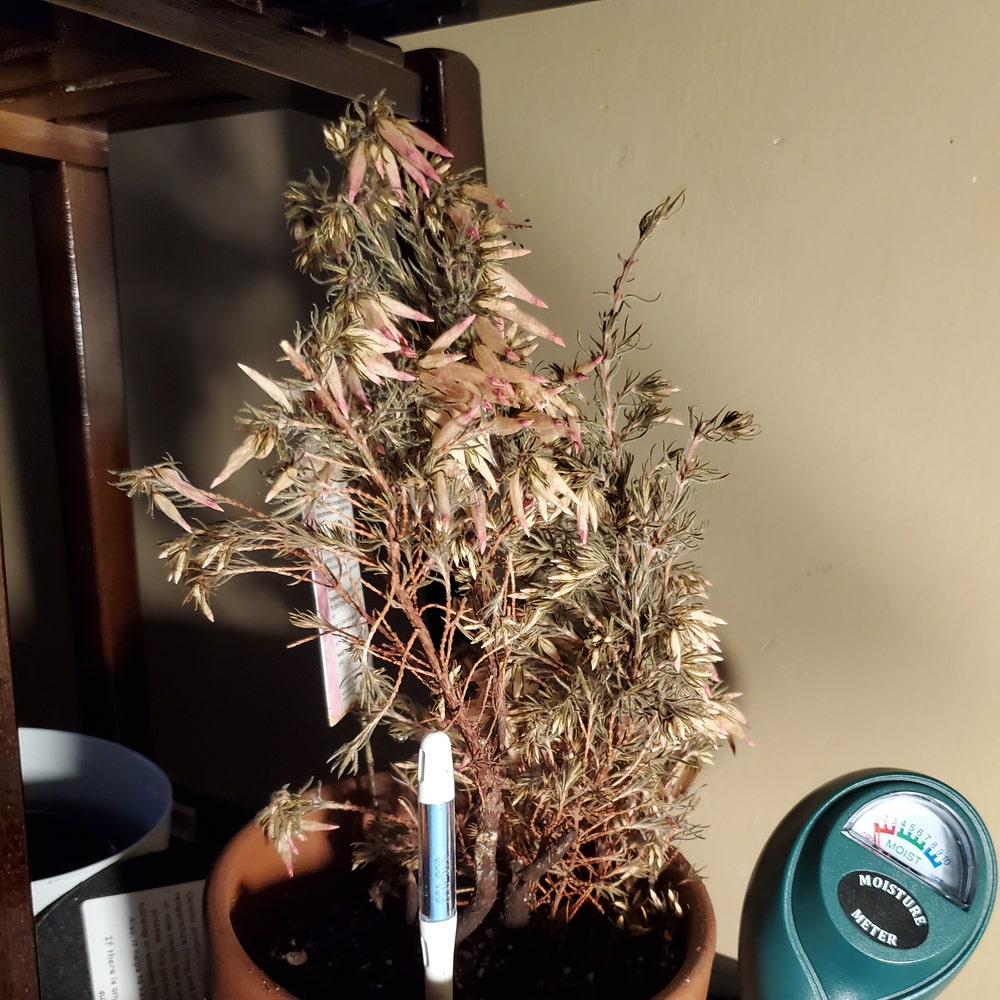
On the flip side, underwatering presents itself with crispy leaf edges, drooping leaves, and dry soil. These signs suggest that your plant is thirsty and needs immediate attention.
🐛 Identifying Pest Infestations
Pest infestations can wreak havoc on your Cascade plant, so it's essential to identify them early.
Common culprits include spider mites, aphids, and mealybugs. Keep an eye out for sticky residue, webbing, or visible insects on your plant.
If you spot any of these signs, act quickly to prevent further damage. A little vigilance goes a long way in keeping your plant healthy.
🍽️ Recognizing Nutrient Deficiencies
Nutrient deficiencies can also lead to leaf drop, so knowing the symptoms is vital.
Look for yellowing leaves and stunted growth as key indicators that your plant isn't getting the nutrients it needs.
Balanced fertilization is essential for Cascade plants to thrive, ensuring they receive the right mix of nutrients for optimal health.
By diagnosing these problems early, you can take the necessary steps to restore your plant's vitality. Next, let's explore effective solutions for leaf drop.
Solutions for Leaf Drop
🌊 Adjusting Watering Practices
To tackle leaf drop, start by assessing soil moisture. Use a moisture meter or your finger to check if the soil is dry or soggy.
Next, adjust your watering frequency based on your findings. Overwatered plants may need less frequent watering, while underwatered ones require a more regular schedule.
Lastly, consider drainage. Ensure your pots have drainage holes and use well-draining soil to prevent root rot.
💧 Improving Humidity Levels
Humidity plays a crucial role in plant health. To boost humidity, try using pebble trays filled with water, humidifiers, or misting your plants regularly.
Aim to maintain humidity levels between 60-80% for optimal growth. This range helps your Cascade thrive and reduces the chances of leaf drop.
☀️ Modifying Light Exposure
Light exposure is another key factor. Start by assessing your plant's current light conditions to determine if it’s getting enough or too much light.
If needed, adjust the placement of your Cascade. Move it to a brighter spot if it’s too dim, or to a shadier area if it’s getting scorched.
For low-light conditions, consider using supplemental lighting. Grow lights can provide the extra boost your plant needs to flourish.
By implementing these solutions, you can effectively address leaf drop and promote a healthier Cascade. Next, let’s explore preventative measures to keep your plant thriving long-term.
Preventative Measures
Regular Monitoring of Plant Health 🌱
Keeping a close eye on your Cascade plant is crucial for its health. Conduct weekly checks to inspect leaves, soil moisture, and the overall appearance of your plant.
Documenting your observations in a care journal can be incredibly helpful. This practice allows you to track changes and adjustments, ensuring you stay ahead of any potential issues.
Seasonal Care Adjustments 🍂
As the seasons change, so should your care routine. Adjust your watering and humidity levels to match the needs of your plant during different times of the year.
When winter approaches, take extra precautions. Protect your Cascade from drafts and temperature drops to keep it thriving through the colder months.
Best Practices for Cascade Plant Care 🌼
Establishing a consistent watering schedule is key to maintaining your plant's health. Regular watering helps prevent stress and promotes growth.
Additionally, stick to a monthly fertilization schedule during the growing season. This ensures your Cascade receives the nutrients it needs to flourish.
By implementing these preventative measures, you can significantly reduce the risk of leaf drop and keep your Cascade looking vibrant. Next, let’s explore some effective solutions for addressing leaf drop when it occurs.
⚠️ Safety First
This content is for general information and may contain errors, omissions, or outdated details. It is not medical, veterinary advice, or an endorsement of therapeutic claims.
Always consult a qualified healthcare professional before using any plant as food, medicine, or supplement.
Never eat any plant (or feed one to pets) without confirming its identity with at least two trusted sources.
If you suspect poisoning, call Poison Control (800) 222-1222, the Pet Poison Helpline (800) 213-6680, or your local emergency service immediately.
Spotted an error? Please report it here.
Keep your Cascade plant thriving 🌿 by using Greg's custom watering alerts and care tips to prevent leaf drop and ensure vibrant growth!