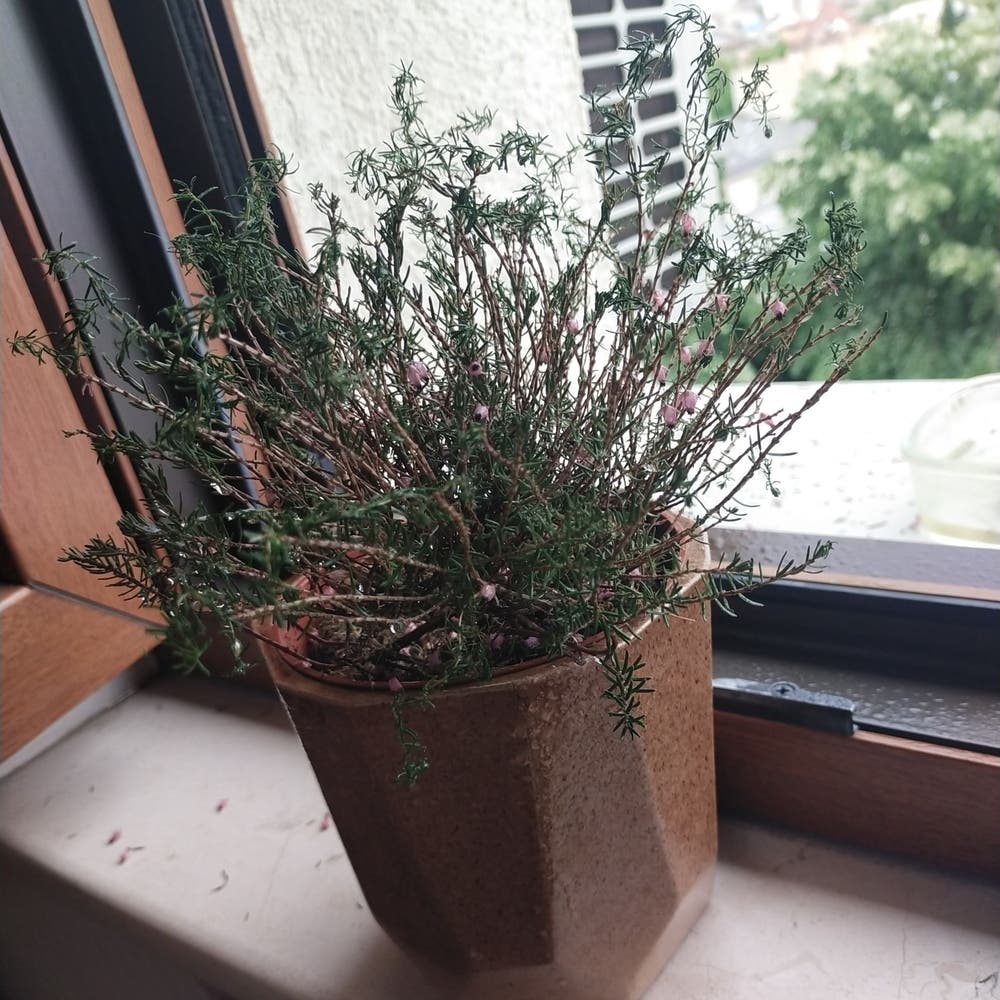
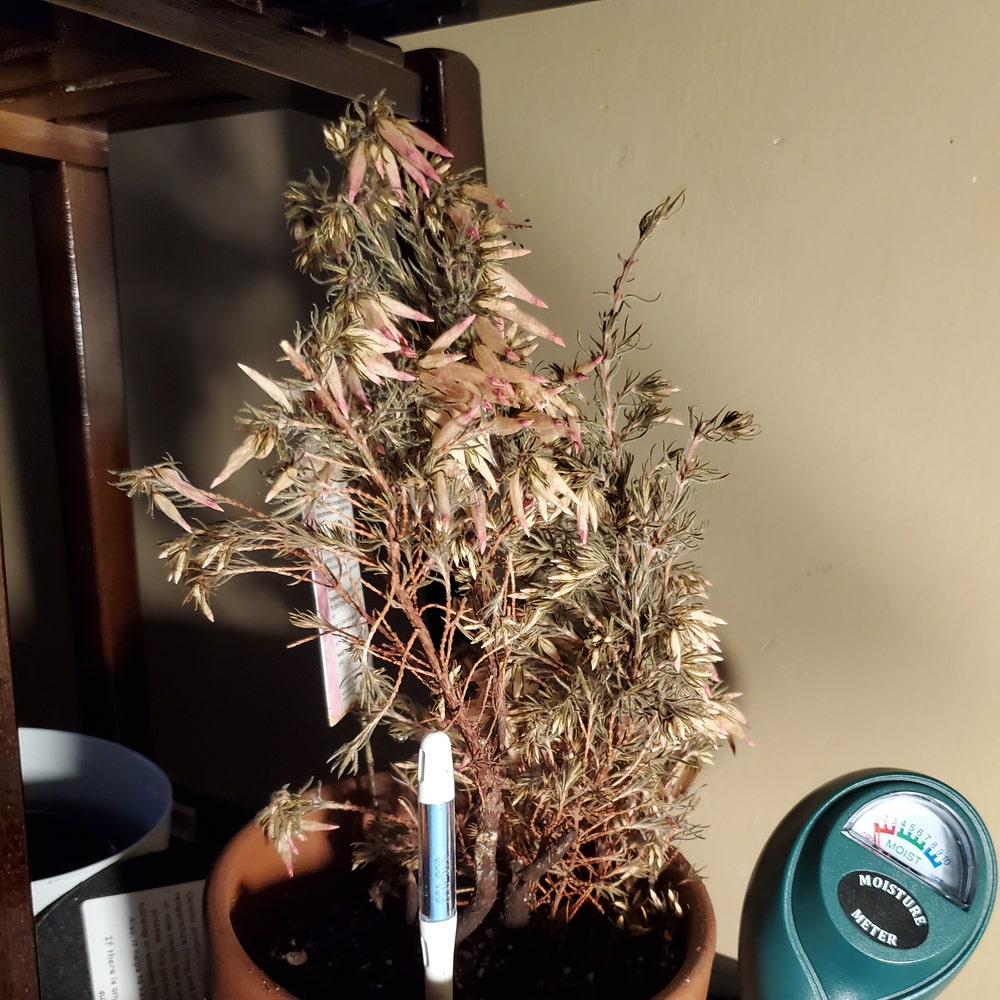
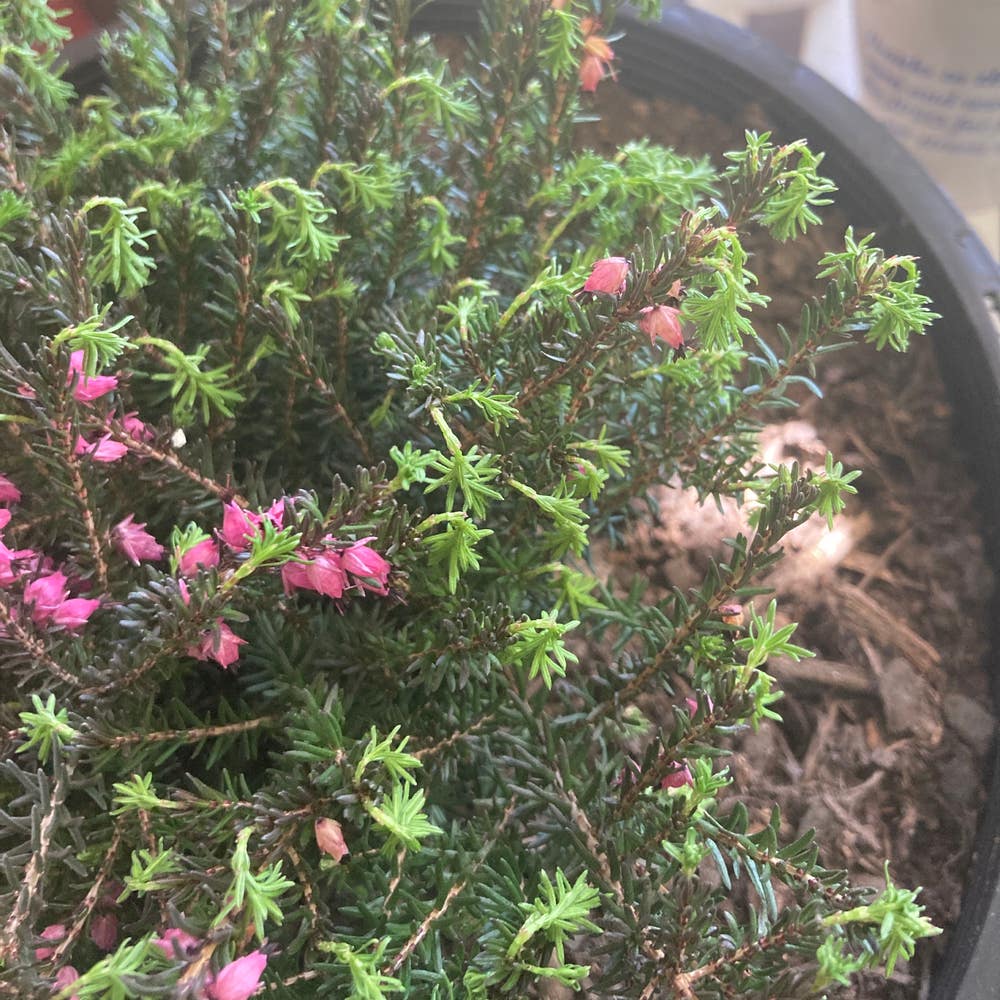
🌸 Overview of Erica manipuliflora
Erica manipuliflora
By the Greg Editorial Team
Jan 29, 2025•11 min read
This article was created with the help of AI so we can cover more plants for you. May contain errors. See one? Report it here.
Elevate your garden with Erica manipuliflora, a beautiful plant that thrives with easy care and supports local ecosystems! 🌼
- 🌞 Erica manipuliflora thrives in full sun to partial shade; choose its location wisely.
- 🌱 Acidic, well-drained soil is essential; enhance with peat moss or compost.
- 💧 Monitor watering closely to prevent root rot; deep initial watering is key.
How to Grow
🌞 Choosing a Location
When selecting a spot for Erica manipuliflora, aim for full sun to partial shade. This plant thrives in bright conditions, but too much direct sunlight can be harsh, especially in hotter climates.
Consider whether you’re planting outdoors or in containers. Container growth offers flexibility, allowing you to move the plant to optimize sunlight exposure.
🌱 Soil Preparation
Erica manipuliflora prefers acidic, well-drained soil. This is crucial for healthy growth, as the plant is sensitive to soil pH levels.
To enhance drainage, consider adding peat moss or compost. These amendments not only improve soil structure but also provide essential nutrients.
🌿 Planting Techniques
When planting, ensure the root ball is level with the soil surface. This helps prevent water from pooling around the roots, which can lead to rot.
Space your plants 18-24 inches apart for optimal growth. This distance allows for air circulation and reduces competition for nutrients.
💧 Watering Requirements
After planting, give your Erica a deep watering. This initial soak helps establish the roots in their new environment.
Moving forward, adjust your watering schedule based on soil moisture. Regular checks will help you determine when the plant needs a drink.
🌼 Fertilizing Schedule
Use an acidic fertilizer suitable for ericaceous plants. This type of fertilizer supports the specific nutrient needs of Erica manipuliflora.
Fertilize in early spring and mid-summer for best results. This timing aligns with the plant's growth cycles, promoting vibrant foliage and blooms.
✂️ Pruning Methods
Prune your Erica manipuliflora in late winter to early spring. This timing encourages new growth as the plant emerges from dormancy.
Light pruning helps maintain shape and removes any dead wood. This not only enhances appearance but also supports overall plant health.
🌍 Ongoing Care
For container care, ensure proper drainage and monitor moisture levels closely. Containers can dry out faster, so regular checks are essential.
If planted outdoors, consider mulching around the base. Mulch retains moisture and suppresses weeds, creating a healthier environment for your plant.
With these guidelines, you’re well on your way to cultivating a thriving Erica manipuliflora. Next, let’s explore how to propagate this beautiful plant for even more growth opportunities.
Propagation
🌱 Methods of Propagation
Erica manipuliflora can be propagated through two primary methods: seeds and cuttings. Both methods are straightforward and can lead to successful new plants.
📋 Step-by-Step Instructions
For Seeds
- Sow seeds in spring, covering them lightly with soil.
- Keep the soil moist until germination occurs, which typically takes 2-4 weeks.
For Cuttings
- Take 4-6 inch cuttings from healthy plants, ensuring they are vigorous.
- Dip the cut ends in rooting hormone to encourage root development.
- Place the cuttings in a well-draining medium and maintain humidity until roots develop, usually within 4-6 weeks.
By following these simple steps, you can successfully propagate Erica manipuliflora and expand your garden with this beautiful plant. Next, let’s explore its lifecycle and growth stages to understand how it develops over time.
Lifecycle
🌱 Lifecycle Stages
The lifecycle of Erica manipuliflora begins with germination, which takes about 2-4 weeks for seeds. Once germinated, the plant enters the seedling stage, lasting 4-8 weeks until it develops true leaves.
🌿 Vegetative Growth
Following the seedling stage, the plant experiences a rapid vegetative growth phase that can last several months. This is when it establishes a robust structure, preparing for the next exciting phase: flowering.
🌸 Flowering and Seed Production
Typically, flowering occurs in late spring to early summer, showcasing the plant's beautiful blooms. After the flowering period, seeds can be collected, allowing for propagation and the continuation of the species.
⏳ Growth Duration Until Maturity
It takes approximately 2-3 years for Erica manipuliflora to reach its full size. This timeframe allows the plant to develop its characteristic features and thrive in its environment.
📈 Growth Rate
Under optimal conditions, expect a moderate growth rate of 12-24 inches per year. This steady growth makes it a rewarding addition to any garden, as it gradually fills out and enhances the landscape.
In summary, understanding the lifecycle of Erica manipuliflora not only helps in its cultivation but also enriches the gardening experience. Next, we will delve into the size of this fascinating plant and what to expect as it matures.
Size
Mature Height and Spread 🌱
Erica manipuliflora typically reaches a mature height of 2 to 3 feet, making it a manageable addition to your garden. Its spread can range from 2 to 4 feet, allowing it to fill out spaces beautifully without overwhelming nearby plants.
Growth Rate and Time to Full Size ⏳
This plant boasts a moderate growth rate, achieving its full size in approximately 2 to 3 years. With the right care, you can enjoy its lush foliage and vibrant flowers in just a few growing seasons.
Size Variability 📏
Several factors can influence the size of Erica manipuliflora. Soil quality, sunlight exposure, and watering practices all play crucial roles in determining how robust your plant will become.
By ensuring optimal conditions, you can maximize its growth potential and enjoy a thriving specimen in your garden.
Roots
🌱 Characteristics of the Root System
Erica manipuliflora features a fibrous root system that is essential for its growth. These roots are shallow and spread out, allowing the plant to absorb nutrients and moisture effectively.
🚫 Common Root-Related Issues
One of the most common problems is root rot, which occurs due to overwatering and poor drainage. Healthy roots are firm and white, while unhealthy roots appear brown and mushy, indicating a need for immediate action.
🔄 Recognizing Rootbound Plants
Rootbound plants show clear signs, such as roots growing out of drainage holes or circling the pot. To remedy this, consider repotting into a larger container or dividing the plant to encourage healthy growth.
Understanding the root system of Erica manipuliflora is crucial for its overall health. By keeping an eye on root conditions, you can ensure your plant thrives and flourishes.
Benefits
Top 5 Benefits 🌟
Ornamental Value
Erica manipuliflora is a stunning addition to any garden. Its unique flowers and lush foliage create a vibrant display that can enhance the aesthetic appeal of your outdoor space.
Drought Tolerance
Once established, this plant requires minimal watering. Its drought tolerance makes it a low-maintenance choice for gardeners looking to conserve water.
Pollinator Attraction
This plant plays a vital role in supporting local ecosystems. By attracting bees and other pollinators, it contributes to biodiversity and helps sustain healthy garden environments.
Erosion Control
Erica manipuliflora serves as an effective ground cover. Its spreading nature helps prevent soil erosion, making it a practical choice for sloped areas or gardens prone to runoff.
Cultural Significance
Beyond its beauty and utility, this plant holds cultural importance. It has been valued in traditional medicine and local folklore, adding a rich layer of history to your gardening experience.
These benefits make Erica manipuliflora not just a pretty face in the garden, but a valuable asset for both aesthetics and ecology. As you consider adding this plant to your landscape, think about how it can enhance your garden's beauty while supporting the environment.
Companion Plants
🌱 Concept of Companion Planting
Companion planting is all about creating a harmonious garden ecosystem. By pairing plants that support each other, you can enhance garden diversity, improve pest management, and boost overall plant health.
🌼 Best Companion Plants
When it comes to Erica manipuliflora, other ericaceous plants are the best companions. Consider planting Rhododendrons and Azaleas alongside; they share similar soil and water requirements, making them ideal partners in your garden.
🚫 Plants to Avoid
On the flip side, steer clear of heavy feeders like tomatoes and corn. These plants can compete for nutrients, potentially stunting the growth of your Erica manipuliflora.
Companion planting not only enriches your garden but also creates a thriving environment for all your plants. Next, let’s explore the potential toxicity of Erica manipuliflora to humans, dogs, and cats.
Toxicity to Humans
Erica manipuliflora is generally safe and is not listed as toxic by major poison control centers. This means you can enjoy its beauty without worrying too much about harmful effects.
However, it's worth noting that consuming large quantities may lead to mild skin irritation or digestive discomfort.
If you experience any unusual symptoms after contact or ingestion, it's always best to seek medical advice. Staying informed helps ensure a safe and enjoyable gardening experience!
Toxicity to Dogs
Erica manipuliflora is generally safe for dogs, as it is not listed as toxic by major pet poison control centers. However, if your furry friend decides to munch on a few leaves, you might notice mild gastrointestinal upset if they consume large quantities.
🐶 Monitoring Your Dog's Behavior
To keep your dog safe, it's wise to keep this plant out of reach. Always monitor their behavior around your garden, especially if they show curiosity towards the plant.
⚠️ Quick Tips for Pet Owners
- Placement: Position Erica manipuliflora in areas that are hard for dogs to access.
- Observation: Watch for any unusual symptoms after contact or ingestion, and consult a vet if needed.
With a little care, you can enjoy the beauty of Erica manipuliflora in your garden without worrying about your canine companions. Now, let’s explore how this plant interacts with our feline friends.
Toxicity to Cats
Erica manipuliflora is considered safe for cats, as it is not listed as toxic by major pet poison control centers. This means you can enjoy the beauty of this plant without worrying about your feline friends.
However, it's worth noting that if a cat consumes large quantities, it may experience mild gastrointestinal upset.
🐱 Tips for Cat Owners
To keep your curious cats safe, consider these practical tips:
- Keep plants elevated: Place Erica manipuliflora on shelves or hanging planters to deter access.
- Monitor behavior: Watch for any unusual signs after exposure, and consult a vet if needed.
By taking these simple precautions, you can enjoy your garden while ensuring your cats remain healthy and happy.
As we move forward, let’s explore the potential problems that can arise when caring for Erica manipuliflora.
Problems
Common Problems 🌱
1. Incorrect Watering
Watering is crucial for the health of Erica manipuliflora. If you notice wilting or yellowing leaves, it’s a sign that your watering routine needs adjustment.
To resolve this, check the soil moisture regularly and modify your watering frequency accordingly.
2. Incorrect Light Conditions
Light plays a significant role in plant vitality. Leggy growth or scorched leaves indicate that your plant may not be receiving the right amount of light.
If you encounter these symptoms, consider relocating your plant to a spot with more suitable lighting conditions.
3. Incorrect Temperature
Temperature fluctuations can stress your Erica manipuliflora. Stunted growth or leaf drop often signals that the plant is not happy with its current temperature.
To help your plant thrive, ensure it is protected from extreme temperature changes.
4. Diseases
Fungal diseases can be a concern for this species. Symptoms like powdery mildew or blight are indicators that your plant might be suffering from a fungal infection.
Improving air circulation around the plant and applying fungicides can help manage these issues effectively.
5. Leaf Issues
Leaf problems can manifest in various ways. Yellowing or fuzzy growth can suggest that your plant is not getting the care it needs.
Assess your watering and light conditions to identify and rectify the underlying issues.
Conclusion 🌟
By being attentive to these common problems, you can ensure that your Erica manipuliflora remains healthy and vibrant. Next, let’s explore potential pest issues that could affect your plant’s well-being.
Bugs
🐛 Potential Pest Issues
While Erica manipuliflora boasts moderate pest resistance, it can still fall prey to certain pests. Regular monitoring is key to maintaining plant health and preventing infestations.
🔍 Identification and Treatment
Spider Mites
- Signs: Look for fine webbing and stippled leaves, which indicate spider mite activity.
- Treatment: Increase humidity around the plant and apply miticides to control the population.
Scale Insects
- Signs: Sticky residue on leaves and discolored foliage are telltale signs of scale insects.
- Treatment: Manual removal of the pests is effective, followed by the application of insecticidal soap for any remaining insects.
Mealybugs
- Signs: Cotton-like masses on stems and leaves signal a mealybug infestation.
- Treatment: Use alcohol swabs to wipe them off, and consider systemic insecticides for severe cases.
By keeping an eye out for these common pests and addressing issues promptly, you can ensure your Erica manipuliflora remains healthy and vibrant. Next, let’s explore what animals might be attracted to this beautiful plant and how to deter them effectively.
What Eats
Common Animals 🦌
Erica manipuliflora can attract a variety of wildlife, including deer, rabbits, squirrels, and rodents. These animals may find the plant's foliage appealing, leading to potential damage.
Signs of Damage 🐾
Keep an eye out for signs of nibbling or damage. Chewed leaves, broken stems, and tracks around the base of the plant are all indicators that animals are taking an interest.
Deterrent Methods 🚫
To protect your plants, consider using a mix of deterrent methods.
Chemical Methods
Commercial repellents can be effective in keeping hungry animals at bay. These products often contain scents or tastes that animals dislike.
Organic Methods
For a more natural approach, try planting deterrent species nearby or using physical barriers. Fencing or netting can provide a protective shield, while companion plants can confuse or repel pests.
By being proactive, you can enjoy the beauty of Erica manipuliflora without the worry of unwanted munchers. Now, let’s explore some common problems that might arise while caring for this lovely plant.
⚠️ Safety First
This content is for general information and may contain errors, omissions, or outdated details. It is not medical, veterinary advice, or an endorsement of therapeutic claims.
Always consult a qualified healthcare professional before using any plant as food, medicine, or supplement.
Never eat any plant (or feed one to pets) without confirming its identity with at least two trusted sources.
If you suspect poisoning, call Poison Control (800) 222-1222, the Pet Poison Helpline (800) 213-6680, or your local emergency service immediately.
Spotted an error? Please report it here.
Cultivate a thriving Erica manipuliflora 🌼 with Greg's tailored watering reminders and expert tips, ensuring your garden flourishes while supporting local ecosystems!