What It Means When Your Cascade Wilts 💧
Erica manipuliflora
By the Greg Editorial Team
Nov 07, 2024•6 min read
This article was created with the help of AI so we can cover more plants for you. May contain errors. See one? Report it here.
Transform wilting plants 🌱 into thriving beauties by mastering essential care techniques and diagnosis!
- 💧 Wilting in Cascade plants signals water stress from overwatering or underwatering.
- 🌞 Heat stress causes wilting; relocate to shade and increase humidity for relief.
- 🦠 Disease can cause wilting too; inspect roots and repot if necessary.
Common Causes of Wilting Leaves
💧 Water Stress
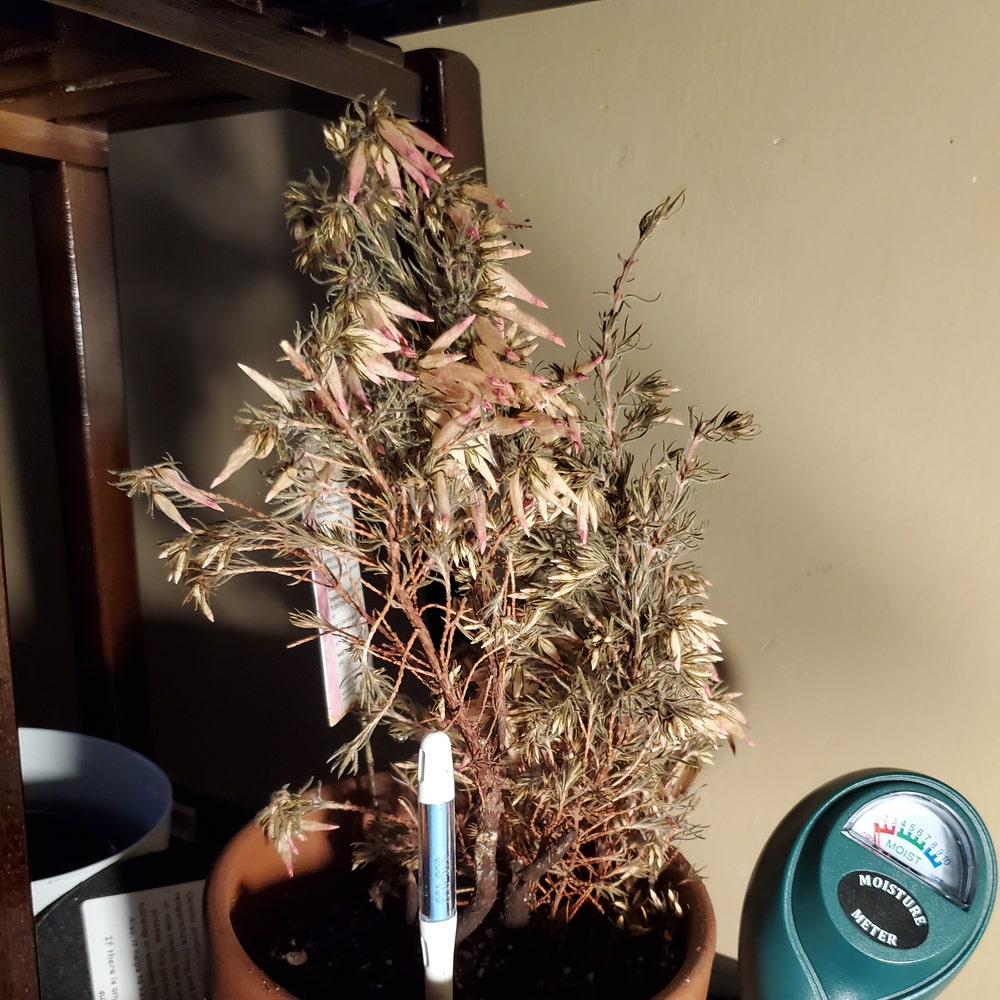
Wilting leaves often signal water stress, which can stem from either overwatering or underwatering.
Overwatering
Overwatering is a common mistake that can lead to yellowing leaves and soggy soil. When the roots sit in waterlogged conditions, they become oxygen-starved, ultimately resulting in wilting.
Underwatering
On the flip side, underwatering manifests as dry, crispy leaves and soil that pulls away from the pot. This lack of moisture leads to dehydration, causing the plant to wilt.
🌡️ Heat Stress
Heat stress is another culprit behind wilting leaves.
Symptoms and Causes
You might notice leaves curling or browning at the edges, along with drooping. This often occurs when plants are exposed to direct sunlight or high temperatures that exceed their tolerance.
Impact
The rapid moisture loss from the leaves during heat stress can quickly lead to wilting, making it crucial to monitor environmental conditions.
🦠 Disease-Related Wilting
Sometimes, wilting is a sign of disease rather than water issues.
Common Diseases
Root rot, often caused by fungal pathogens, is a prevalent concern.
Symptoms
You may see sudden wilting despite adequate watering, along with discoloration of the leaves.
Importance of Distinction
It's essential to distinguish between water stress and disease-related wilting to address the issue effectively. Misdiagnosing can lead to ineffective treatments and further plant decline.
Understanding these common causes of wilting leaves is the first step in providing the right care for your Cascade. Next, we’ll explore how to diagnose wilting effectively.
Diagnosing Wilting
🕵️♂️ Step-by-Step Guide to Diagnose Wilting
Diagnosing wilting in your Cascade plant is crucial for restoring its health. Follow these steps to identify the underlying issues effectively.
Assess Soil Moisture
Start by checking the top 2 inches of soil. If it feels dry, your plant may be underwatered; if it's soggy, overwatering could be the culprit.Observe Environmental Conditions
Take note of the temperature and humidity levels where your plant resides. Extreme conditions can significantly impact its health.Inspect Leaves
Look closely at the leaves for any signs of discoloration, curling, or browning. These symptoms can provide clues about the plant's stress levels.Evaluate Watering Routine
Review how often and how much water you give your plant. An inconsistent watering schedule can lead to wilting.Check for Pests or Diseases
Finally, inspect for any visible signs of pests or fungal growth. Early detection can prevent further damage to your plant.
By following this guide, you can pinpoint the cause of wilting and take appropriate action. Understanding these steps not only helps your Cascade thrive but also deepens your connection with your plant care journey.
Next, let’s explore actionable solutions to address the wilting issues you've diagnosed.
Solutions for Wilting
🌊 Actionable Advice for Water Stress
Wilting due to water stress can be a common issue, but it's often easily remedied.
For Overwatering:
- Allow the soil to dry out completely before rewatering. This helps prevent root rot, which can be detrimental to your plant's health.
- Ensure proper drainage in the pot. Good drainage allows excess water to escape, keeping roots healthy and oxygenated.
For Underwatering:
- Water thoroughly until excess drains out of the bottom. This ensures that the entire root system receives moisture.
- Establish a consistent watering schedule. Consider using the Greg plant care app for reminders, helping you maintain a healthy routine.
🔥 Actionable Advice for Heat Stress
Heat stress can be a sneaky culprit behind wilting leaves.
- Relocate your plant to a shadier spot or provide filtered light. This protects it from harsh sunlight that can cause rapid moisture loss.
- Increase humidity around the plant. Use a humidity tray or mist the leaves to create a more favorable environment.
🦠 Actionable Advice for Disease-Related Wilting
If wilting persists despite proper care, disease might be the issue.
For Root Rot:
- Remove the plant from its pot and trim away affected roots. This step is crucial to prevent the spread of rot.
- Repot in fresh, well-draining soil. This gives your plant a fighting chance to recover and thrive.
- Monitor for signs of recovery and adjust care accordingly. Keep an eye on your plant’s progress to ensure it’s on the mend.
By addressing these issues promptly, you can help your Cascade flourish again. Next, let’s explore preventive measures to minimize future wilting.
Preventive Measures
Tips to Minimize Future Wilting 🌱
To keep your Cascade healthy, regularly check the soil moisture levels. This simple habit helps you avoid extremes that can lead to wilting.
Adjust your watering frequency based on seasonal changes and the plant's growth stage. As your plant thrives, it may need more or less water, so stay attentive.
Environmental Adjustments 🌬️
Maintaining consistent humidity levels is crucial, especially during dry seasons. A small humidifier or a pebble tray can work wonders for your plant's well-being.
Avoid placing your Cascade in direct sunlight during peak hours. This simple adjustment can prevent heat stress and keep your plant looking vibrant and healthy.
By implementing these preventive measures, you can create a nurturing environment for your Cascade, ensuring it thrives and remains resilient against wilting. Next, let’s explore when it’s time to seek help for your plant.
When to Seek Help
🚨 Signs That Require Expert Assistance
Sometimes, despite your best efforts, your Cascade may continue to wilt. If you notice persistent wilting even after making adjustments, it’s time to consider seeking help.
Additionally, look out for signs of severe pest infestations or diseases that seem beyond your control. If you’re dealing with an overwhelming problem, don’t hesitate to reach out for expert advice.
🛠️ Resources for Assistance
Local nurseries can be a fantastic resource for expert care tips tailored to your specific plant. They often have knowledgeable staff who can provide insights based on firsthand experience.
You can also engage with the Cascade care community online. Sharing your experiences and learning from others can offer valuable solutions and support as you navigate your plant care journey.
By knowing when to seek help and where to find it, you can ensure your Cascade thrives and flourishes.
⚠️ Safety First
This content is for general information and may contain errors, omissions, or outdated details. It is not medical, veterinary advice, or an endorsement of therapeutic claims.
Always consult a qualified healthcare professional before using any plant as food, medicine, or supplement.
Never eat any plant (or feed one to pets) without confirming its identity with at least two trusted sources.
If you suspect poisoning, call Poison Control (800) 222-1222, the Pet Poison Helpline (800) 213-6680, or your local emergency service immediately.
Spotted an error? Please report it here.
Revive your wilting Cascade plant with Greg's tailored care tips and watering reminders, ensuring it thrives in your home! 🌿