Optimal Temperature for Your Cascade
Erica manipuliflora
By the Greg Editorial Team
Nov 07, 2024•3 min read
This article was created with the help of AI so we can cover more plants for you. May contain errors. See one? Report it here.
Ensure your cascade flourishes 🌿 by mastering its ideal temperature range for vibrant growth and blooms! 🌸
- 🌡️ Optimal temperature for cascades is 15°C to 25°C (59°F to 77°F) for health.
- ❄️ Cold stress occurs below 10°C (50°F); protect your cascade from frost.
- 🔥 Heat stress above 30°C (86°F) harms cascades; provide shade during heat waves.
Temperature Requirements for Cascade
🌡️ Ideal Temperature Range
The optimal temperature range for your cascade is between 15°C to 25°C (59°F to 77°F). This range is crucial for promoting healthy foliage and vibrant flowering.
Temperature thresholds are important to note: temperatures below 10°C (50°F) can lead to cold stress, while those above 30°C (86°F) risk heat stress. Keeping your cascade within this ideal range is essential for its overall health.
🚨 Signs of Temperature Stress
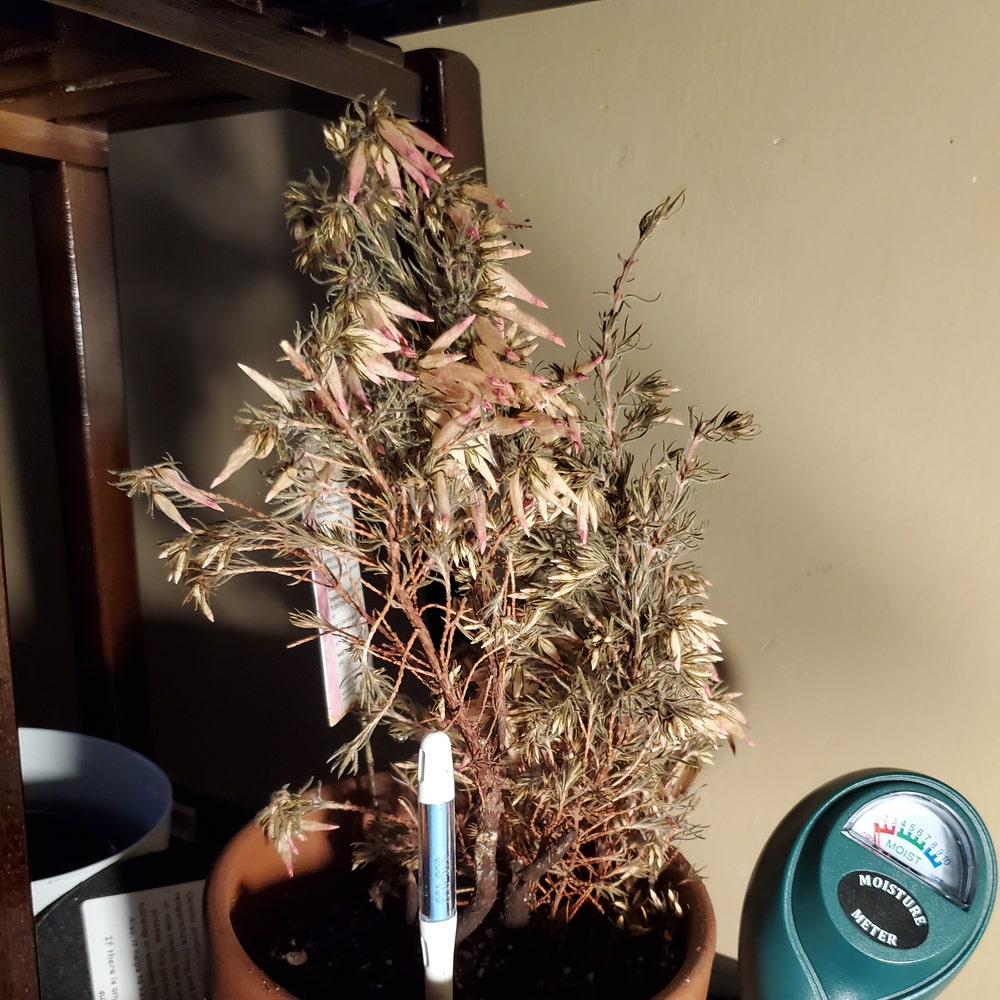
Temperature stress can manifest in several ways. Wilting leaves that droop indicate a loss of turgor pressure, while leaf discoloration, such as yellowing or browning edges, signals distress.
Additionally, stunted growth may occur, characterized by reduced height and fewer leaves. Other symptoms include premature leaf drop or curling, all of which are signs that your cascade needs immediate attention.
❄️ Causes of Temperature Stress
Understanding the causes of temperature stress is vital for prevention. Cold stress arises from exposure to temperatures below 10°C (50°F), while heat stress results from prolonged exposure above 30°C (86°F).
Rapid temperature changes can also contribute to stress. Sudden shifts due to weather changes or indoor heating and cooling can shock your cascade, leading to various health issues.
🌱 Seasonal Temperature Considerations
Each season presents unique challenges for maintaining optimal temperatures. In spring, conditions are ideal for growth, but be vigilant for late frosts that could harm your plants.
During summer, ensure your cascade has adequate shade during heat waves and keep an eye out for signs of heat stress. As fall approaches, prepare for cooler temperatures and consider bringing potted plants indoors. In winter, protect your cascade from frost and explore insulation methods for outdoor plants.
📏 Temperature Monitoring and Management
Monitoring temperature is key to your cascade's success.
🛠️ Tools for Monitoring Temperature
Utilize various tools for accurate temperature readings. Digital or analog thermometers can help you keep track of ambient temperatures.
Soil temperature probes are excellent for monitoring root zone temperatures, ensuring optimal health. Additionally, weather apps provide real-time updates, making it easier to stay informed.
📝 Best Practices for Maintaining Optimal Temperature
Implementing best practices can significantly enhance your cascade's health. Start by selecting locations with stable temperatures, avoiding drafts and heat sources.
Regular checks are essential, especially during seasonal transitions. Adjusting your care routines, such as modifying watering and feeding schedules based on temperature changes, will support your plant's health effectively.
By staying proactive, you can create an environment where your cascade thrives, setting the stage for a flourishing garden.
⚠️ Safety First
This content is for general information and may contain errors, omissions, or outdated details. It is not medical, veterinary advice, or an endorsement of therapeutic claims.
Always consult a qualified healthcare professional before using any plant as food, medicine, or supplement.
Never eat any plant (or feed one to pets) without confirming its identity with at least two trusted sources.
If you suspect poisoning, call Poison Control (800) 222-1222, the Pet Poison Helpline (800) 213-6680, or your local emergency service immediately.
Spotted an error? Please report it here.
Keep your cascade in its sweet spot 🌡️ by using Greg's tailored reminders and tips to monitor temperatures and ensure optimal health all year round!