🐝 Step-by-Step Guide to Pollinating Cascade
Erica manipuliflora
By the Greg Editorial Team
Nov 07, 2024•7 min read
This article was created with the help of AI so we can cover more plants for you. May contain errors. See one? Report it here.
Boost your garden's vibrancy by mastering Cascade flower pollination techniques! 🌼🌱
- 🌼 Cascade flowers attract bees and butterflies with vibrant colors and unique shapes.
- 🐝 Self and cross-pollination boost genetic diversity, ensuring robust fruit production.
- 🌱 Hand pollination aids reproduction when natural pollinators are scarce.
Flower Structure
Description of Characteristics 🌼
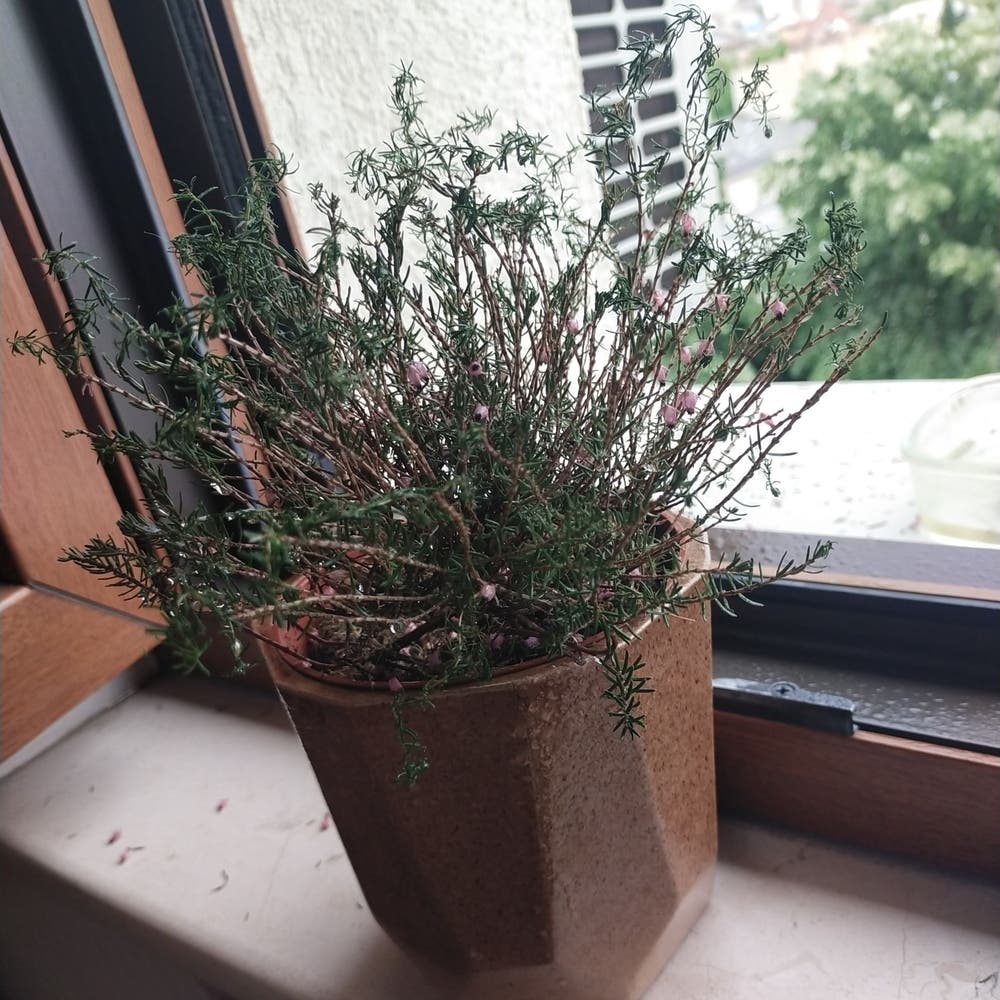
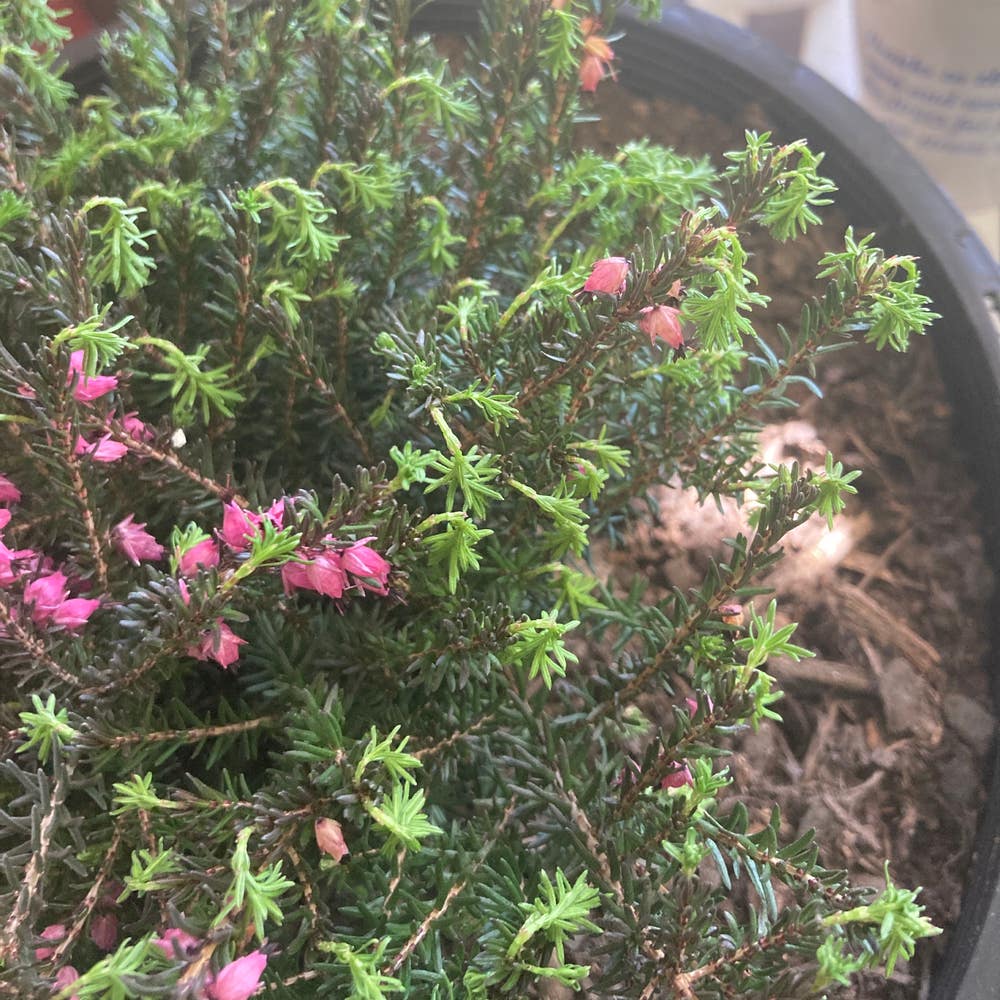
Cascade flowers are typically tubular or bell-shaped, designed to attract a variety of pollinators. Their unique shapes not only provide a landing platform but also guide pollinators toward the reproductive parts of the flower.
The vibrant colors of Cascade flowers, including bright yellows, pinks, and purples, play a crucial role in attracting pollinators. These hues stand out in the garden, drawing in bees, butterflies, and other beneficial insects.
The arrangement of petals, sepals, stamens, and pistils is meticulously crafted. Petals often form a protective layer around the reproductive organs, while the positioning of stamens and pistils ensures effective pollination.
Role in Pollination 🐝
Cascade flowers are equipped for self-pollination due to their structural design. The close proximity of stamens and pistils allows pollen to transfer easily within the same flower, ensuring reproduction even in the absence of pollinators.
However, the characteristics of Cascade flowers also enhance cross-pollination opportunities. Their vibrant colors and enticing scents attract a variety of pollinator species, increasing genetic diversity and fruit production. This dual capability makes them resilient and adaptable in various environments.
As we explore the pollination process further, we will delve into the methods of self-pollination and the identification of primary pollinators that play a vital role in the life cycle of Cascade flowers.
Pollination Process
🌼 Self-Pollination Explanation
Cascade flowers have a fascinating self-pollination process. This occurs when the timing is just right, typically on warm, sunny days when the flowers are fully open.
Self-pollination is efficient, but it’s not the only game in town. Cross-pollination can significantly enhance fruit and seed production, leading to healthier plants and more robust genetic diversity.
🐝 Identification of Primary Pollinators
When it comes to pollinators, Cascade flowers attract a variety of species. Key players include bees, butterflies, moths, and hummingbirds.
These pollinators are drawn in by the vibrant colors and sweet scents of the flowers. The availability of nectar also plays a crucial role in luring them in, ensuring that Cascade gets the attention it needs for successful pollination.
Natural Pollination
🌬️ Pollen Transfer Mechanisms
Pollination in Cascade flowers occurs through two primary mechanisms: wind and insect activity. Wind can carry pollen from one flower to another, but it's the busy insects, like bees and butterflies, that play a crucial role in transferring pollen effectively.
Insects are attracted to the vibrant colors and sweet scents of Cascade flowers. As they move from bloom to bloom, they inadvertently pick up pollen and deposit it on the stigma of other flowers, facilitating fertilization and ensuring the continuation of the plant's life cycle.
🌼 Importance of Pollination
Pollination is vital for Cascade's reproduction and genetic diversity. It not only leads to the production of seeds and fruits but also promotes genetic variation, which is essential for adapting to changing environments.
Without effective pollination, Cascade plants may struggle to reproduce, leading to reduced populations and a lack of genetic diversity. This can make them more susceptible to diseases and environmental changes, highlighting the importance of healthy pollinator populations.
🌱 Seasonal Variations
The timing of flowering and pollination can vary significantly with the seasons. In spring, Cascade flowers may bloom earlier, taking advantage of the warmer temperatures and increased insect activity, while late summer blooms might coincide with different pollinator species.
Environmental factors such as temperature and humidity also play a critical role in the pollination process. High humidity can enhance pollen viability, while extreme temperatures may hinder insect activity, affecting the overall success of pollination.
📚 Conclusion
Understanding the natural pollination mechanisms and seasonal variations is essential for anyone interested in cultivating Cascade flowers. By appreciating these processes, gardeners can create environments that support pollinators and enhance the health of their plants.
Next, we will explore hand pollination techniques, providing you with practical steps to ensure successful fertilization when natural methods may fall short.
Hand Pollination
Hand pollination can be a rewarding way to ensure the successful reproduction of Cascade flowers. This method is particularly useful when natural pollinators are scarce or when you want to control the pollination process for specific outcomes.
Step-by-Step Instructions
Identifying Male and Female Flower Parts 🌸
To start, it's essential to recognize the male and female parts of the Cascade flower. The male parts, known as stamens, are typically slender and topped with pollen-producing anthers. In contrast, the female parts, called pistils, are often located at the center and feature a sticky stigma designed to catch pollen.
Collecting Pollen 🐝
Once you've identified the male flowers, it's time to collect the pollen. You can use a small brush or a cotton swab to gently touch the anthers, gathering the fine yellow pollen. Be careful not to damage the flower while doing this.
Transferring Pollen 🌼
Next, transfer the collected pollen to the stigma of a female flower. Simply dab the pollen onto the sticky surface of the stigma, ensuring good contact. This step is crucial for successful fertilization and fruit development.
Timing for Hand Pollination ⏰
Timing is everything when it comes to hand pollination. The best times to perform this task are early in the morning or late in the afternoon when temperatures are cooler and humidity is higher. These conditions help ensure that the pollen remains viable and increases the chances of successful fertilization.
By following these steps, you can effectively hand-pollinate Cascade flowers, enhancing their reproductive success and ensuring a bountiful bloom. Next, let’s explore how to create a pollinator-friendly environment that supports these beautiful plants.
Supporting Pollinators
🌼 Creating a Pollinator-Friendly Environment
Designing a garden that attracts and supports pollinators is crucial for enhancing Cascade's pollination success. Start by incorporating diverse plantings; a variety of flowers ensures that pollinators have food sources throughout the growing season.
Water sources are also essential. A small birdbath or shallow dish filled with water can provide hydration for thirsty pollinators.
Avoiding pesticides is vital. Many chemicals harm beneficial insects, so opt for organic gardening methods to protect your pollinator friends.
🌱 Suggested Companion Plants
Companion planting can significantly boost the presence of beneficial pollinators. Here are some excellent choices:
- Lavender: Its fragrant blooms attract bees and butterflies.
- Coneflower: This hardy perennial is a favorite among various pollinators.
- Bee Balm: Known for its vibrant colors, it draws in hummingbirds and bees alike.
By integrating these plants into your garden, you create a welcoming habitat that enhances Cascade's pollination success.
In the next section, we will explore common pollination challenges and how to overcome them.
Pollination Challenges
🌪️ Common Obstacles
Pollination can be significantly hindered by environmental factors. Temperature fluctuations, high humidity levels, and adverse weather conditions can disrupt the delicate balance needed for effective pollination in Cascade flowers.
Another pressing issue is the decline in pollinator populations. This reduction impacts not only Cascade but also many other plants reliant on these vital species for successful reproduction.
🛠️ Solutions for Overcoming Challenges
To improve pollination success, consider introducing more flowering plants into your garden. A diverse array of blooms can attract a wider variety of pollinators, enhancing the chances of successful pollination.
Additionally, providing shelter for pollinators can create a welcoming environment. Simple structures like bee hotels or native plant patches can make a significant difference.
In cases where natural pollination methods fall short, artificial pollination techniques can be employed. Hand pollination can serve as a reliable backup, ensuring that Cascade flowers receive the necessary pollen for fertilization.
By addressing these challenges proactively, you can help ensure that Cascade thrives and continues to produce vibrant blooms year after year.
⚠️ Safety First
This content is for general information and may contain errors, omissions, or outdated details. It is not medical, veterinary advice, or an endorsement of therapeutic claims.
Always consult a qualified healthcare professional before using any plant as food, medicine, or supplement.
Never eat any plant (or feed one to pets) without confirming its identity with at least two trusted sources.
If you suspect poisoning, call Poison Control (800) 222-1222, the Pet Poison Helpline (800) 213-6680, or your local emergency service immediately.
Spotted an error? Please report it here.
Boost your Cascade flowers' pollination success 🌼 with Greg's tailored tips and reminders, ensuring a colorful and thriving garden that attracts all the right pollinators!