☀️ Ultimate Guide to Direct Sunlight for Cascade
Erica manipuliflora
By the Greg Editorial Team
Nov 07, 2024•4 min read
This article was created with the help of AI so we can cover more plants for you. May contain errors. See one? Report it here.
Master Cascade's sunlight needs 🌞 for vibrant growth and a thriving indoor garden!
- 🌞 Cascade plants thrive in bright, filtered light, not direct sunlight.
- ⚠️ Too much direct sunlight causes leaf burn and stunted growth in Cascade.
- 🪟 Window direction matters; north-facing is best for optimal Cascade light exposure.
Cascade's Sunlight Needs
🌞 Does Cascade Need Direct Sunlight?
Cascade plants thrive without direct sunlight. They prefer bright, filtered light that mimics their native habitat, allowing them to flourish without the stress of harsh rays.
🌅 Can Cascade Tolerate Direct Sunlight?
While Cascade can handle some direct sunlight, it should be limited. Morning sun is more tolerable, providing gentle warmth, whereas the intense afternoon sun can be detrimental.
🔆 Effects of Too Much Direct Sunlight on Cascade
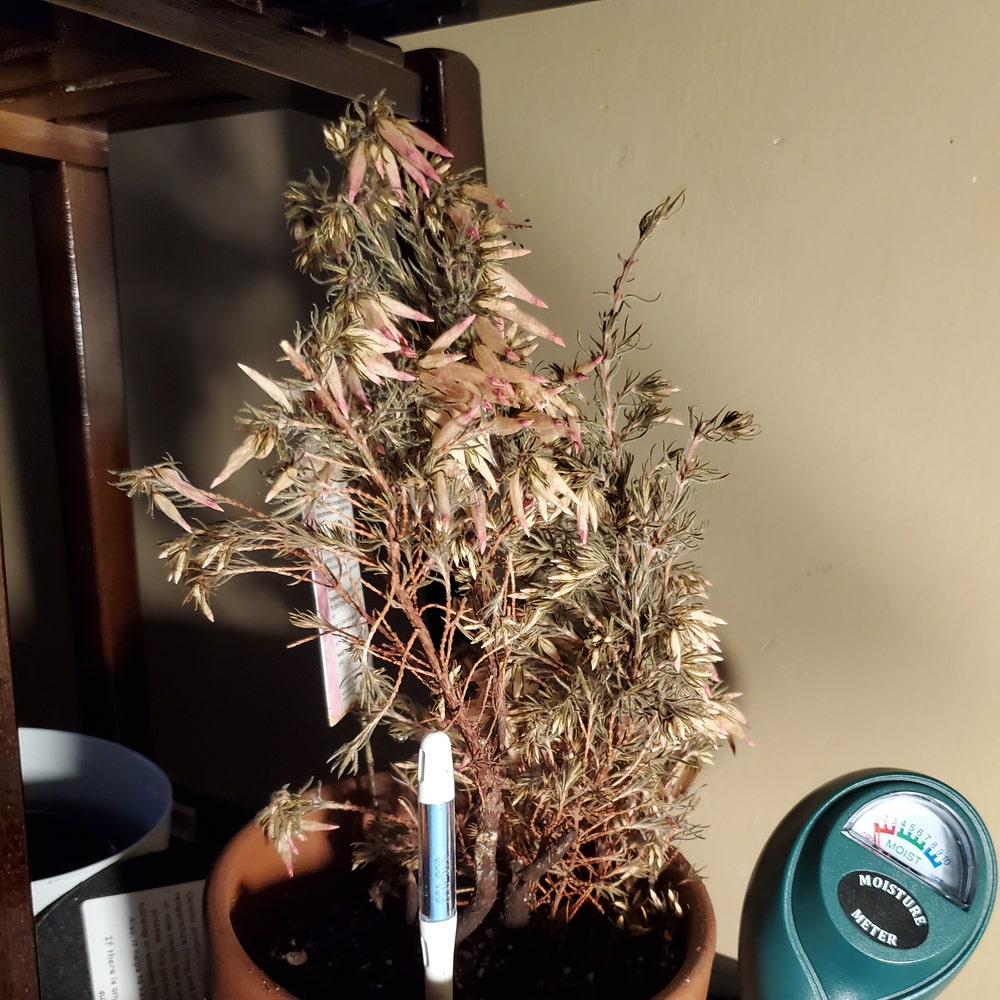
Excessive direct sunlight can lead to several symptoms of overexposure. You might notice leaf burn, fading colors, and wilting, which are clear signs that your Cascade is struggling.
Long-term exposure to too much sunlight can stunt growth and lead to potential plant decline. It’s crucial to monitor your Cascade to ensure it remains healthy and vibrant.
Understanding these sunlight needs will help you create the perfect environment for your Cascade, ensuring it thrives beautifully. Next, we’ll explore the environmental factors that affect sunlight exposure for your plant.
Environmental Factors Affecting Sunlight
🌞 Role of Window Direction
The direction your windows face plays a crucial role in how much sunlight your Cascade receives.
- North-facing windows provide the least direct sunlight, making them ideal for Cascade.
- South-facing windows offer the most direct sunlight, which may require filtering to protect your plant.
- East-facing windows deliver gentle morning light, perfect for Cascade's needs.
- West-facing windows expose your plant to intense afternoon sun, so caution is necessary to avoid stress.
🌍 How Hemisphere Affects Sunlight Exposure
The hemisphere you live in significantly impacts sunlight exposure for your Cascade.
In the Northern Hemisphere, the sun is lower in the sky during winter, leading to varying light intensity throughout the seasons.
Conversely, in the Southern Hemisphere, the sun is higher, which may necessitate more shade for your Cascade to thrive.
Understanding your local climate conditions is essential for providing the right environment for your plant.
By paying attention to these factors, you can ensure your Cascade receives the optimal amount of sunlight, promoting healthy growth and vibrant foliage.
Next, let’s explore practical tips for adjusting your Cascade's position based on sunlight changes.
Practical Tips for Cascade in Direct Sunlight
🌞 Signs of Too Much or Too Little Sunlight for Cascade
Recognizing the signs of sunlight stress in your Cascade is crucial for its health.
- Too much sunlight can lead to leaf burn, crispy edges, and discoloration.
- Too little sunlight results in leggy growth, slow development, and pale leaves.
🔄 Adjusting Cascade's Position Based on Sunlight Changes
Seasonal changes can significantly impact how much light your Cascade receives.
- Seasonal adjustments are key; move your Cascade closer to windows in winter to soak up the limited light, and further away in summer to avoid harsh rays.
- Monitoring is essential—regularly check for signs of stress and adjust its position accordingly to keep your plant thriving.
By staying attentive to your Cascade's needs, you can ensure it flourishes in its environment. Next, let’s explore common misconceptions about Cascade and sunlight.
Common Misconceptions about Cascade and Sunlight
🌞 Myths About Cascade Needing Full Sun
Many people believe that Cascade plants thrive in full sunlight. In reality, they prefer filtered light, which mimics their natural habitat.
Understanding these needs is crucial to prevent damage and ensure healthy growth. Providing the right light conditions can make all the difference in your plant's vitality.
🌤️ Clarifying Cascade's Light Preferences
Cascade plants are surprisingly adaptable and can thrive in various light conditions. However, they require careful monitoring to ensure they are not exposed to too much direct sunlight.
Their native habitat emphasizes a preference for dappled sunlight, which is essential for their well-being. By respecting these light preferences, you can cultivate a flourishing Cascade that brings joy to your space.
As you learn more about Cascade's needs, you'll be better equipped to create the perfect environment for your plant. This understanding will lead to a healthier, more vibrant Cascade that thrives in your home.
⚠️ Safety First
This content is for general information and may contain errors, omissions, or outdated details. It is not medical, veterinary advice, or an endorsement of therapeutic claims.
Always consult a qualified healthcare professional before using any plant as food, medicine, or supplement.
Never eat any plant (or feed one to pets) without confirming its identity with at least two trusted sources.
If you suspect poisoning, call Poison Control (800) 222-1222, the Pet Poison Helpline (800) 213-6680, or your local emergency service immediately.
Spotted an error? Please report it here.
Keep your Cascade thriving 🌱 by using Greg's tailored light reminders to ensure it gets just the right amount of filtered sunlight for vibrant growth!