🪴 Step-by-Step Guide to Choosing Soil for Cascade
Erica manipuliflora
By the Greg Editorial Team
Nov 07, 2024•6 min read
This article was created with the help of AI so we can cover more plants for you. May contain errors. See one? Report it here.
Revitalize your garden by learning to identify and improve unhealthy soil! 🌱
- 🌱 Identify unhealthy soil by checking for mold, odors, and compaction signs.
- 🔬 Test soil pH regularly; ideal range for Cascade plants is 6.0 to 7.0.
- 🛠️ Customize your soil mix for Cascade with potting soil, perlite, and compost.
Identifying Unhealthy Soil
🕵️♂️ Signs of Unhealthy Soil
Identifying unhealthy soil is crucial for maintaining a thriving garden. Look for moldy soil signs, such as white or green mold growth on the surface, which indicates excessive moisture. A foul odor can also signal anaerobic conditions, suggesting that your soil is not breathing properly.
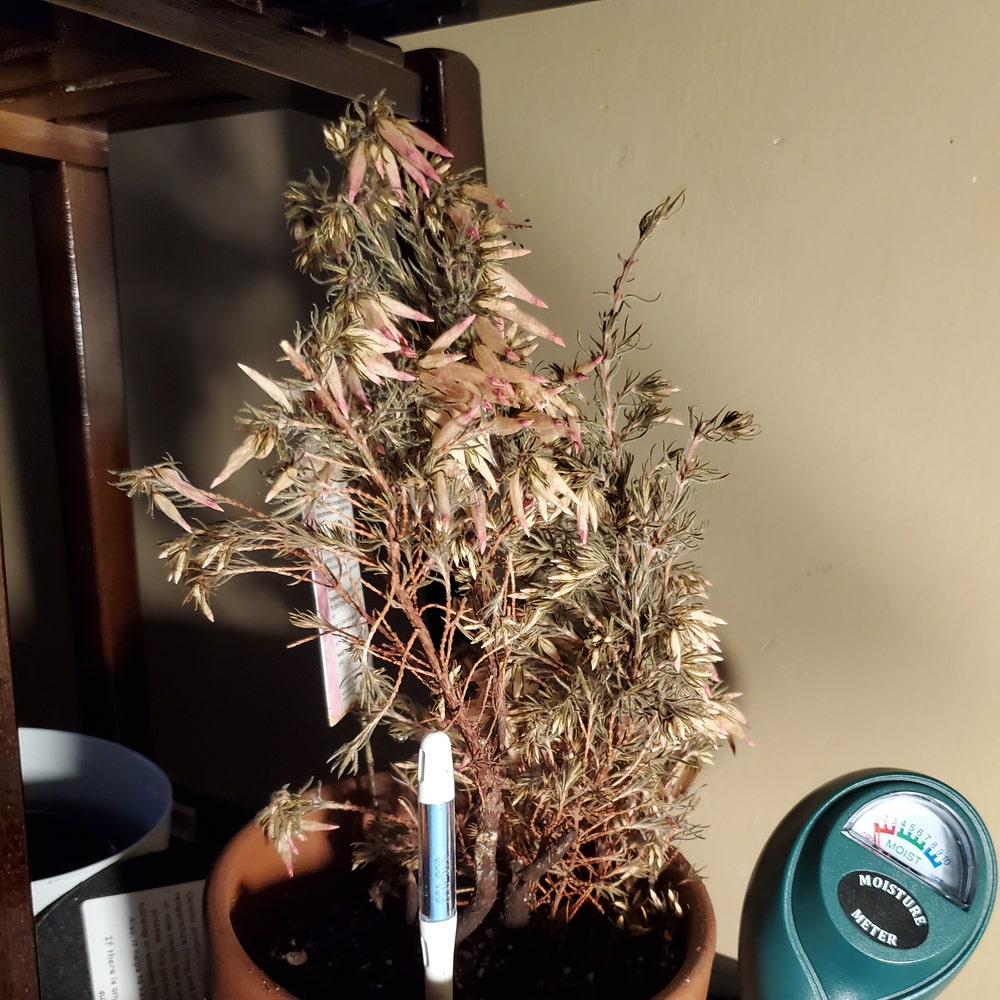
Another key indicator is compaction. If you struggle to insert a finger or tool into the soil, it’s a sign that the soil is too dense. Additionally, poor water drainage, with pooling on the surface, can lead to root rot and other issues.
🧪 How to Test Soil Health
Testing your soil health is essential for effective gardening. Use pH testing kits or strips for accurate measurement of acidity or alkalinity. A simple visual inspection can also reveal signs of compaction and mold presence.
To assess nutrient levels, consider using soil test kits that determine NPK (nitrogen, phosphorus, potassium) levels. This information will guide you in making necessary amendments to improve soil quality.
🛠️ Solutions for Unhealthy Soil
If you discover moldy soil, there are effective remediation techniques. Start by removing the affected soil and replacing it with a fresh mix. Improving air circulation and reducing moisture levels can also help prevent future mold growth.
For compacted soil, consider aeration techniques like using a garden fork or aerator to loosen the soil. Additionally, incorporating organic matter can significantly improve soil texture and promote better drainage.
By recognizing these signs and taking action, you can ensure your soil remains healthy and conducive to plant growth. Next, we’ll explore the ideal soil pH for Cascade, which is vital for nutrient uptake.
Ideal Soil pH for Cascade
Recommended pH Range for Cascade 🌱
The ideal pH level for Cascade is between 6.0 and 7.0, which is slightly acidic to neutral. Maintaining this range is crucial for optimal nutrient uptake, ensuring your plants thrive.
Effects of pH on Cascade Growth 📉
Low pH conditions can lead to nutrient deficiencies, particularly in calcium and magnesium. Conversely, high pH levels can reduce iron availability, causing chlorosis and impacting plant health.
How to Adjust Soil pH for Cascade ⚖️
To lower soil pH, consider incorporating sulfur or peat moss into your mix. If you need to raise the pH, adding lime or wood ash can effectively balance the levels.
Monitoring pH changes over time is essential for maintaining soil health. Regular checks will help you adjust your soil management practices as needed, ensuring your Cascade remains vibrant and productive.
Creating a Homemade Soil Mix
🥣 Ingredients for a Homemade Soil Mix for Cascade
Creating the perfect soil mix for your Cascade plants starts with the right ingredients. Aim for a blend that consists of:
- 40% high-quality potting soil: This serves as the foundation, providing essential nutrients and a good structure.
- 30% perlite or coarse sand: These materials enhance drainage, preventing waterlogging and promoting healthy root growth.
- 30% organic compost: Rich in nutrients, compost boosts soil fertility and supports beneficial microorganisms.
🛠️ Step-by-Step Guide to Mixing Soil for Cascade
Mixing your homemade soil is straightforward and rewarding. Follow these easy steps:
- Gather all ingredients in a large container or wheelbarrow.
- Mix the potting soil, perlite, and compost thoroughly until well combined.
- Test the mixture for drainage by adding water and observing how quickly it absorbs.
- Adjust the ratios as necessary to achieve your desired texture and drainage capacity.
🌱 Benefits of Using Homemade Soil for Cascade
Opting for a homemade soil mix offers several advantages.
- Customization: Tailor the mix to meet the specific needs of your Cascade plants, ensuring optimal growth conditions.
- Enhanced Nutrient Content: The organic compost enriches the soil, providing a steady supply of nutrients.
- Improved Drainage and Aeration: Compared to store-bought mixes, your homemade blend will typically offer better drainage and aeration, promoting healthier root systems.
Creating your own soil mix not only empowers you as a gardener but also sets the stage for thriving Cascade plants. With the right ingredients and a little effort, you can cultivate a vibrant garden that flourishes with life.
Next, let’s explore soil amendments that can further enhance the health of your Cascade soil.
Soil Amendments for Cascade
🌱 Common Amendments to Enhance Cascade Soil
To boost the health of your Cascade soil, consider adding organic matter. Compost, worm castings, and aged manure are excellent choices that enrich the soil with nutrients.
In addition to organic matter, mineral amendments can significantly improve soil quality. Rock phosphate provides essential phosphorus, while greensand supplies potassium, both vital for robust plant growth.
🛠️ How to Incorporate Amendments into Cascade Soil
Incorporating amendments into your existing soil is straightforward. Aim for a ratio of 10-20% amendment to soil volume for optimal results.
Top-dressing is another effective technique for ongoing nutrient supply. Simply spread a layer of amendments on the soil surface, allowing them to gradually integrate with the soil below.
⏰ Timing and Frequency of Soil Amendments for Cascade
Timing is crucial when applying soil amendments. The best times are early spring before planting and mid-season for established plants.
For frequency, apply compost annually to maintain nutrient levels, while mineral amendments should be added biannually to ensure your soil remains healthy and productive.
With these practices, your Cascade soil will thrive, setting the stage for vibrant plant growth and a flourishing garden.
Maintaining Soil Health for Cascade
🌱 Best Practices for Ongoing Soil Care
Maintaining healthy soil is crucial for the vitality of your Cascade plants. Regularly monitor moisture levels to ensure the soil isn’t too dry or overly saturated.
Overwatering can lead to root rot, a common issue that can devastate your plants. Keep an eye on drainage; if water pools on the surface, it’s time to reassess your soil structure.
🍂 Seasonal Considerations for Cascade Soil
Adjust your care practices according to the seasons for optimal results. In winter, reduce watering frequency to prevent waterlogging and allow the soil to rest.
During summer, ensure adequate drainage, especially after heavy rains. This helps prevent water from accumulating and keeps your plants thriving.
🔍 Monitoring Soil Health Over Time
Periodic soil testing every 1-2 years is essential to gauge nutrient levels and pH balance. This proactive approach allows you to make necessary adjustments before issues arise.
Additionally, observe your plants closely. Healthy growth and vibrant foliage are excellent indicators of good soil quality. If you notice changes, it may be time to revisit your soil care strategies.
By staying attentive and responsive to your soil's needs, you can create a thriving environment for your Cascade plants. Next, let’s explore the various soil amendments that can enhance your soil even further.
⚠️ Safety First
This content is for general information and may contain errors, omissions, or outdated details. It is not medical, veterinary advice, or an endorsement of therapeutic claims.
Always consult a qualified healthcare professional before using any plant as food, medicine, or supplement.
Never eat any plant (or feed one to pets) without confirming its identity with at least two trusted sources.
If you suspect poisoning, call Poison Control (800) 222-1222, the Pet Poison Helpline (800) 213-6680, or your local emergency service immediately.
Spotted an error? Please report it here.
Create a thriving soil environment 🌱 for your Cascade plants by following these expert tips, and let Greg provide you with personalized care reminders to ensure your garden flourishes!