🔍 Understanding Brown Spots on Your Cascade Leaves
Erica manipuliflora
By the Greg Editorial Team
Nov 07, 2024•7 min read
This article was created with the help of AI so we can cover more plants for you. May contain errors. See one? Report it here.
Revitalize your Cascade and banish brown spots for a lush, thriving garden! 🌿
- 🌱 Brown spots on Cascade leaves stem from infections, stress, pests, or nutrient issues.
- 💧 Proper watering and humidity are crucial to prevent and manage brown spots effectively.
- 🔍 Regular inspections help catch problems early, ensuring your Cascade stays healthy and vibrant.
Causes of Brown Spots
🦠 Fungal Infections
Fungal infections are a common culprit behind brown spots on Cascade leaves. Look for black or dark brown spots that have a fuzzy appearance, indicating the presence of fungal pathogens.
These fungi thrive in conditions of high humidity and poor air circulation. Ensuring good airflow and maintaining appropriate humidity levels can help prevent these infections.
🦠 Bacterial Infections
Bacterial leaf spots present another challenge for Cascade plants. Symptoms include water-soaked spots that eventually turn brown, often surrounded by a yellow halo.
These infections can spread rapidly, especially when plants are watered from above. Adjusting your watering practices can significantly reduce the risk of bacterial issues.
🌡️ Environmental Stress
Temperature
Extreme temperatures can severely impact leaf health. High temperatures may cause leaf scorch, resulting in brown edges that detract from the plant's appearance.
Conversely, low temperatures can lead to frost damage, manifesting as dark spots on the leaves. Monitoring temperature fluctuations is crucial for maintaining healthy foliage.
Humidity
Humidity plays a vital role in the overall health of your Cascade. Low humidity levels can cause leaf edges to brown and dry out, leading to unsightly damage.
On the other hand, high humidity can increase the risk of fungal infections. Striking a balance in humidity is essential for optimal plant health.
🥦 Nutrient Deficiencies
Nitrogen Deficiency
A nitrogen deficiency often manifests as general yellowing of leaves, accompanied by brown spots on older foliage. Nitrogen is crucial for leaf health, as it supports robust growth and vibrant color.
Addressing nitrogen levels in the soil can help restore your plant's vitality.
Potassium Deficiency
Potassium deficiency can also lead to brown spots, particularly on leaf edges and tips. This nutrient is vital for overall plant vigor, influencing everything from water regulation to disease resistance.
Ensuring adequate potassium levels can enhance your Cascade's resilience and appearance.
🕷️ Pest Infestations
Spider Mites
Spider mites are tiny pests that can wreak havoc on your Cascade. Look for tiny webs and stippled leaves as telltale signs of an infestation.
These pests cause significant leaf discoloration and brown spots, weakening the plant over time. Regular monitoring can help catch these pests early.
Aphids
Aphids are another common pest that can affect your plant's health. Symptoms include curling leaves and a sticky residue on the foliage.
These pests weaken plants, making them more susceptible to diseases. Implementing pest control measures can help safeguard your Cascade from these invaders.
Understanding the causes of brown spots on your Cascade leaves is the first step toward effective treatment. Next, we will explore how to diagnose the specific issues affecting your plant.
Diagnosing the Issue
Identifying the Type of Brown Spots 🌱
Understanding the type of brown spots on your Cascade leaves is crucial for effective treatment. By examining the size and shape of the spots, you can differentiate between fungal, bacterial, and environmental causes.
Spot Size and Shape 🔍
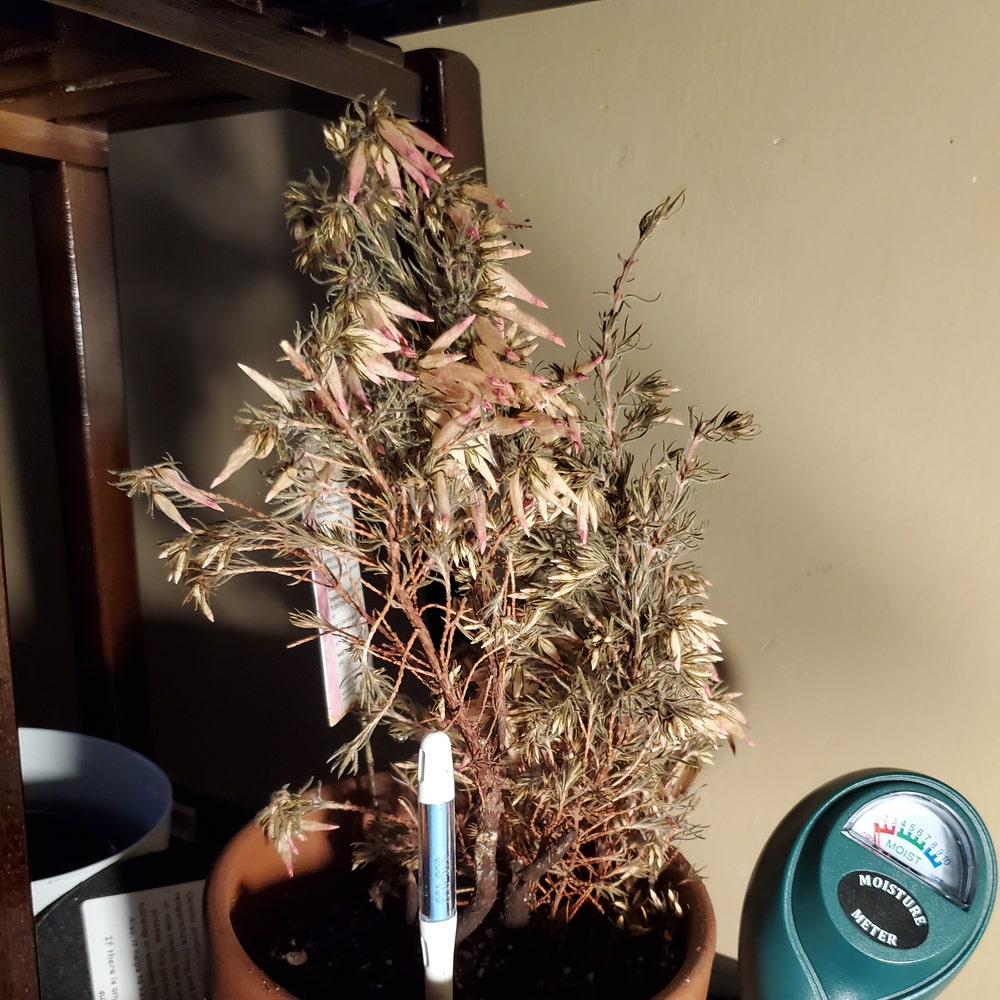
Fungal infections typically present as black or dark brown spots with a fuzzy appearance. In contrast, bacterial infections often manifest as water-soaked spots that turn brown and may have a yellow halo. Environmental stress can lead to irregularly shaped spots, often accompanied by browning edges.
Location on the Leaf 📍
The location of the brown spots plays a significant role in diagnosis. Spots on the tips and edges of leaves often indicate environmental stress, while those in the center may suggest fungal or bacterial issues. Understanding this can guide your next steps in treatment.
Assessing Environmental Factors 🌦️
Environmental factors are key to diagnosing the health of your Cascade. Evaluating light exposure, watering practices, and soil quality can reveal underlying issues affecting your plant.
Light Exposure ☀️
Assessing light conditions is essential. Too much direct sunlight can scorch leaves, leading to brown spots, while insufficient light can weaken the plant, making it more susceptible to diseases. Aim for bright, indirect light for optimal growth.
Watering Practices 💧
Proper watering is vital for Cascade health. Overwatering can cause root rot, leading to brown spots, while underwatering results in dry, crispy edges. Monitor your plant's moisture levels to maintain a healthy balance.
Soil Quality 🌍
Soil quality directly impacts your plant's well-being. Well-draining soil is crucial for preventing waterlogged roots, which can lead to brown spots. Regularly check your soil's drainage and composition to ensure your Cascade thrives.
By carefully diagnosing the type of brown spots and assessing environmental factors, you can take informed steps toward restoring your Cascade's health. Next, we’ll explore effective treatment options to address these issues.
Treatment Options
Immediate Actions to Take 🌱
Pruning Affected Leaves
Pruning is a straightforward yet effective way to manage brown spots on your Cascade leaves. Start by using clean, sharp scissors to ensure a clean cut.
Next, remove all affected leaves, making sure to cut them at the base to prevent any further spread of disease. Dispose of these leaves properly, as leaving them nearby can lead to reinfection.
Adjusting Watering Schedule
Proper watering is crucial for maintaining healthy Cascade plants. Water only when the top inch of soil is dry to the touch, ensuring that your plant receives adequate moisture without becoming waterlogged.
This practice not only helps prevent brown spots but also promotes overall plant health.
Improving Air Circulation
Enhancing air circulation around your Cascade can significantly reduce the risk of fungal infections. Space your plants appropriately to allow for airflow, and consider using fans if your plants are indoors.
Good air circulation helps keep humidity levels in check, which is essential for preventing brown spots.
Long-Term Treatment Strategies 🌿
Fungicides and Bactericides
For persistent issues, consider using fungicides and bactericides as part of your treatment plan. Look for organic options that are effective yet gentle on your plants.
Follow the application instructions carefully to ensure the best results while minimizing any potential harm to your Cascade.
Soil Amendments for Nutrient Balance
Maintaining nutrient balance in the soil is vital for your plant's health. Consider adding compost or balanced fertilizers to enrich the soil and provide essential nutrients.
These amendments can help prevent deficiencies that lead to brown spots and promote vigorous growth.
Pest Control Methods
Integrated pest management is key to keeping your Cascade healthy and free from pests. Use insecticidal soap to tackle infestations, and introduce beneficial insects that can help control pest populations naturally.
By combining these strategies, you can create a thriving environment for your Cascade while minimizing the risk of brown spots and other issues.
With these treatment options in hand, you're well-equipped to tackle brown spots on your Cascade leaves. Next, let's explore preventive measures to keep your plants healthy and vibrant.
Preventive Measures
🌱 Best Practices for Cascade Care
Proper Watering Techniques
To maintain the health of your Cascade, proper watering is crucial. Use moisture meters to gauge soil moisture, ensuring you only water when the top inch of soil is dry.
Ideal Light Conditions
Light plays a vital role in the growth of your Cascade. Aim for bright, indirect light to promote healthy foliage and prevent stress on the plant.
Regular Monitoring for Pests and Diseases
Routine checks are essential for early detection of pests and diseases. Conduct weekly inspections to catch any issues before they escalate.
🍂 Seasonal Care Tips
Adjusting Care During Different Growth Phases
Tailor your care based on the growth cycles of your Cascade. During active growth phases, increase watering to support the plant's needs.
Preparing for Seasonal Changes
As seasons change, so should your care routine. Implement mulching and adjust light exposure to protect your Cascade from environmental stressors.
By following these preventive measures, you can ensure your Cascade remains vibrant and healthy throughout the year. Next, we will explore effective treatment options for any issues that may arise.
⚠️ Safety First
This content is for general information and may contain errors, omissions, or outdated details. It is not medical, veterinary advice, or an endorsement of therapeutic claims.
Always consult a qualified healthcare professional before using any plant as food, medicine, or supplement.
Never eat any plant (or feed one to pets) without confirming its identity with at least two trusted sources.
If you suspect poisoning, call Poison Control (800) 222-1222, the Pet Poison Helpline (800) 213-6680, or your local emergency service immediately.
Spotted an error? Please report it here.
Transform your Cascade's health by tackling those pesky brown spots with Greg's tailored care tips 🌱 and reminders that keep your plant thriving all year round!