Ultimate Guide to Fixing Flower Problems in Cascade 💧
Erica manipuliflora
By the Greg Editorial Team
Nov 07, 2024•5 min read
This article was created with the help of AI so we can cover more plants for you. May contain errors. See one? Report it here.
Revive your Cascade blooms 🌸 with easy solutions to common flowering problems and enjoy a vibrant garden!
- 🌞 Cascade flowers need 6-8 hours of sunlight daily for optimal blooming.
- 🌱 Nutritional deficiencies, especially phosphorus, hinder flower production; use balanced fertilizers.
- 💧 Overwatering causes flower drop; allow soil to dry between waterings for health.
Failure to Bloom
🌞 Potential Causes
Light Requirements
Insufficient sunlight is a primary culprit when Cascade flowers fail to bloom. These plants thrive on full sun, needing 6-8 hours of direct sunlight daily to produce vibrant flowers.
Seasonal changes can also impact light availability, leading to reduced blooming. As the days shorten in fall and winter, your Cascade may struggle to get the light it craves.
Nutritional Deficiencies
Another significant factor is a lack of essential nutrients, particularly phosphorus. This nutrient is crucial for bloom formation, and without it, your plants may produce fewer flowers.
Environmental Stress
Environmental stressors can also hinder blooming. Extreme temperatures, whether too hot or too cold, along with poor soil conditions, can negatively affect flower production.
💡 Solutions
Adjusting Light Exposure
To combat insufficient light, consider relocating your plants to a sunnier spot. If indoors, using grow lights can effectively supplement natural light.
Fertilization Tips
Fertilization plays a vital role in encouraging blooms. Opt for a balanced fertilizer with a higher phosphorus ratio, such as 5-10-5, during the growing season.
Regularly testing your soil is essential to ensure nutrient levels remain adequate. This proactive approach can help you identify and address deficiencies before they impact blooming.
By addressing these potential causes and implementing the suggested solutions, you can enhance your Cascade's chances of flourishing beautifully. Next, let’s explore the issue of premature flower drop and how to prevent it.
Premature Flower Drop
🌼 Common Causes
Premature flower drop can be frustrating for any gardener. Understanding the common causes can help you take action before it's too late.
Overwatering
One of the primary culprits is overwatering. Excess moisture can lead to root rot, which ultimately causes flowers to drop prematurely.
Temperature Fluctuations
Another significant factor is temperature fluctuations. Sudden changes in temperature can stress the plant, leading to bud drop and a lack of vibrant blooms.
🛠️ Solutions
Fortunately, there are straightforward solutions to combat premature flower drop.
Watering Techniques
Implementing a consistent watering schedule is key. Allow the top inch of soil to dry out between waterings to prevent excess moisture.
- Ensure proper drainage to avoid waterlogging.
- Consider using pots with drainage holes if you're growing indoors.
Temperature Control
Maintaining stable temperatures is equally important. Aim for a range between 65°F and 75°F (18°C to 24°C) for optimal growth.
- Use protective covers during unexpected cold snaps to shield your plants.
- Monitor indoor temperatures, especially during seasonal changes.
By addressing these common causes and implementing these solutions, you can help your flowers thrive and reduce the risk of premature drop.
Next, we’ll explore abnormal flower development and how to tackle those issues effectively.
Abnormal Flower Development
🌿 Causes
Pest Infestations
Pests can wreak havoc on your flowers. Common culprits like aphids and spider mites not only damage the blooms but can also stunt their growth.
Nutrient Deficiencies
Another major factor is nutrient deficiency. A lack of potassium, in particular, can lead to malformed flowers that fail to impress.
🛠️ Solutions
Pest Management
To combat pests, regular inspections are key. If you spot any unwelcome guests, consider using organic insecticides or introducing beneficial insects to keep the population in check.
Soil Amendments
Enhancing your soil can make a world of difference. Fertilizers rich in potassium, such as a 0-0-60 formulation, can significantly promote healthy flower development.
By addressing these issues, you can help your flowers thrive and achieve their full blooming potential. Next, let’s explore effective pruning techniques that can further enhance your flowering success.
Pruning Techniques for Better Flowering
Importance of Pruning 🌸
Pruning is essential for promoting flower production in your Cascade plants. By removing dead or spent flowers, you encourage new growth, leading to more vibrant blooms.
Best Practices for Pruning Cascade 🌿
Timing for Effective Pruning ⏰
The best time to prune your Cascade plants is right after the flowering season. This timing allows the plant to focus its energy on healthy growth for the next cycle.
Techniques for Pruning ✂️
When pruning, always use clean, sharp tools. This ensures precise cuts that minimize stress on the plant, promoting quicker recovery and better flowering in the future.
By following these pruning techniques, you can significantly enhance the flowering potential of your Cascade plants. Next, let’s explore how to troubleshoot common flowering issues effectively.
Troubleshooting Flowering Issues
Identifying Symptoms 🌼
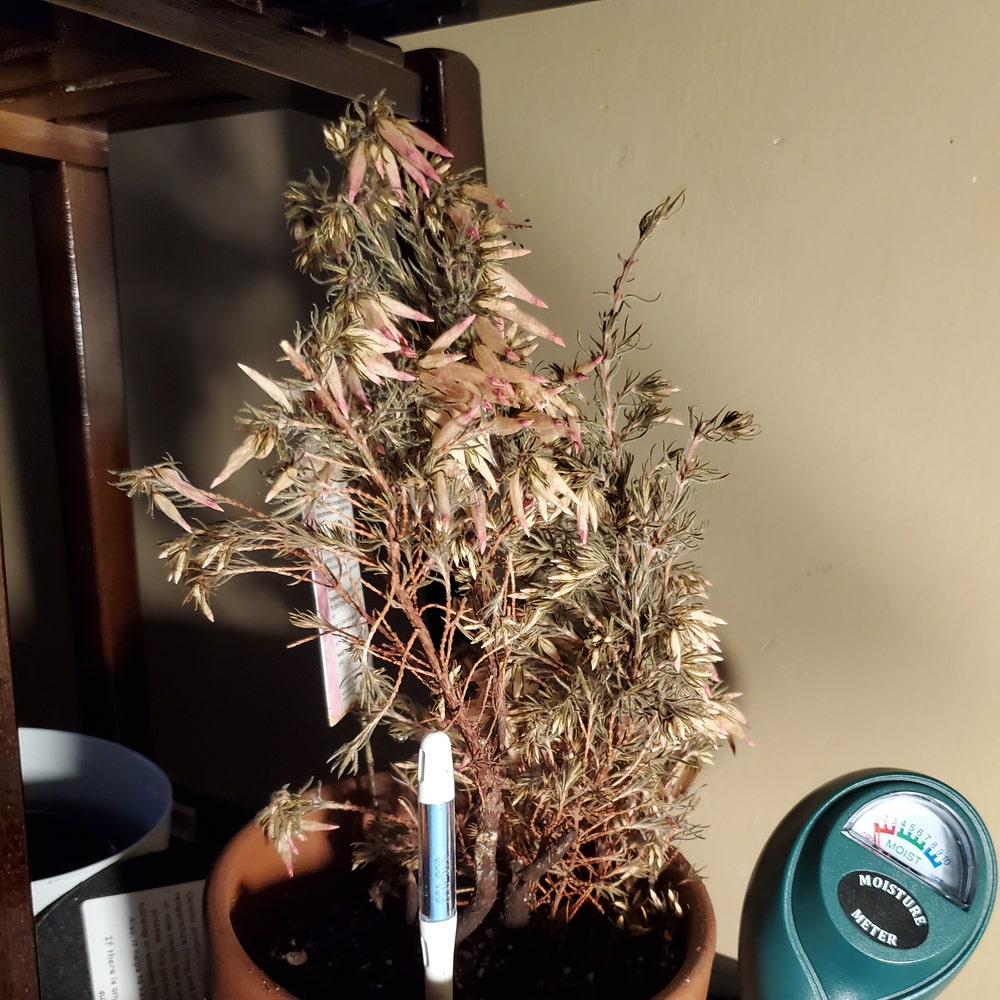
Recognizing the signs of flowering problems is crucial for maintaining healthy Cascade plants. Look for visual cues such as wilting leaves, discoloration, or stunted growth, which can indicate underlying issues that need addressing.
These symptoms often signal that your plant is struggling with its environment or care. Early detection can make a significant difference in restoring your plant's vitality.
Step-by-Step Troubleshooting Guide 🛠️
A systematic approach can help you diagnose and fix flowering issues effectively. Follow these steps to get your Cascade back on track:
Assess Light Conditions
Ensure your plants receive adequate sunlight. If they’re not getting 6-8 hours of full sun daily, consider relocating them or using grow lights indoors.Check Soil Moisture Levels
Overwatering can lead to root rot, so allow the top inch of soil to dry out between waterings. Adjust your watering practices to maintain proper moisture levels.Inspect for Pests
Regularly check your plants for pests like aphids or spider mites. If you find any, treat them promptly with organic insecticides or introduce beneficial insects to combat the infestation.Evaluate Nutritional Needs
Nutrient deficiencies can hinder blooming. Test your soil and apply appropriate fertilizers, particularly those rich in phosphorus and potassium, to support healthy flower development.
By following this guide, you can effectively troubleshoot and resolve flowering issues in your Cascade plants. With a little attention and care, you’ll be on your way to enjoying vibrant blooms once again.
⚠️ Safety First
This content is for general information and may contain errors, omissions, or outdated details. It is not medical, veterinary advice, or an endorsement of therapeutic claims.
Always consult a qualified healthcare professional before using any plant as food, medicine, or supplement.
Never eat any plant (or feed one to pets) without confirming its identity with at least two trusted sources.
If you suspect poisoning, call Poison Control (800) 222-1222, the Pet Poison Helpline (800) 213-6680, or your local emergency service immediately.
Spotted an error? Please report it here.
Transform your Cascade flowers into a blooming masterpiece 🌸 with Greg's tailored care reminders and nutrient tracking to ensure they thrive in their ideal environment!