💧 Ultimate Guide to Root Rot in Cascade
Erica manipuliflora
By the Greg Editorial Team
Nov 07, 2024•6 min read
This article was created with the help of AI so we can cover more plants for you. May contain errors. See one? Report it here.
Keep your plants thriving 🌱 by mastering root rot prevention techniques for a lush, vibrant garden!
- 💧 Overwatering causes root rot; ensure top inch of soil is dry before watering.
- 🌱 Inspect roots regularly for blackened areas; early detection is crucial for recovery.
- 🌿 Improve drainage with perlite or sand to prevent root rot and promote healthy growth.
Causes of Root Rot
💧 Overwatering and Poor Drainage
Overwatering is a primary culprit behind root rot, as it saturates the soil and creates waterlogged conditions. This excess moisture deprives roots of oxygen, leading to decay.
In container gardening, proper drainage is crucial. Using pots with drainage holes and selecting soil types like cactus mix or a blend of peat and perlite can significantly enhance drainage.
🍄 Fungal Pathogens
Certain fungi, such as Pythium and Phytophthora, thrive in overly moist environments. These pathogens can quickly invade plant roots, causing severe damage and impacting overall plant health.
Infected plants may exhibit stunted growth and yellowing leaves, signaling the need for immediate action. Recognizing these fungi early can save your plants from further decline.
🌡️ Environmental Stress Factors
Temperature fluctuations and high humidity levels can exacerbate root rot issues. These conditions create a perfect storm for fungal growth, making it essential to monitor your plant's environment.
Poor air circulation also plays a role in promoting fungal infections. Additionally, nutrient deficiencies can weaken plants, increasing their susceptibility to root rot. Regularly checking your plants for signs of stress can help you intervene before problems escalate.
Symptoms of Root Rot
👀 Visual Signs
Root rot can manifest in several alarming ways. Common symptoms include yellowing leaves, wilting, and stunted growth, all of which signal that your plant is in distress.
To differentiate root rot from other plant issues, pay attention to the overall condition of the plant. While yellowing leaves can indicate nutrient deficiencies or pests, the combination of wilting and stunted growth often points directly to root problems.
🔍 Root Inspection Techniques
Inspecting your plant's roots is crucial for early detection of root rot. Follow these steps to check for signs of rot:
- Carefully remove the plant from its pot. This step requires a gentle touch to avoid further stress to the plant.
- Gently shake off excess soil to expose roots. Take your time to ensure you can see the root system clearly.
- Look for blackened, mushy roots versus healthy white roots. Healthy roots should be firm and white, while rotten roots will appear dark and mushy.
Early detection is vital in preventing further damage to your plant. Regular root checks can save your greenery from the brink of disaster and keep your garden thriving.
Diagnosing Root Rot
🌧️ Soil Testing for Moisture Levels
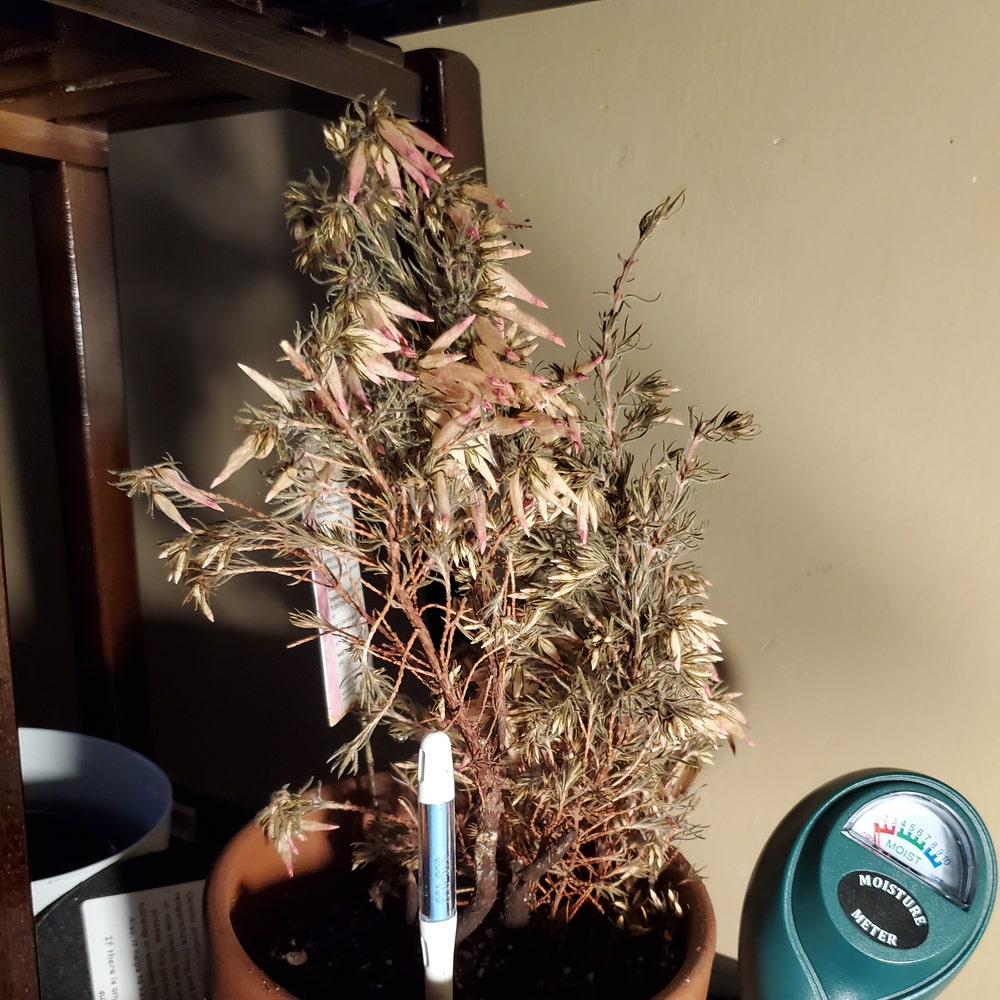
To effectively diagnose root rot, start with soil moisture testing. You can use the finger test, where you insert your finger into the soil up to the first knuckle; if it feels wet, hold off on watering. Alternatively, a moisture meter provides a more precise reading, indicating when your plant needs hydration.
Ideal moisture levels vary by plant type, but generally, the top inch of soil should be dry before watering. If your readings consistently show wet soil, it’s a sign that you might be overwatering, which can lead to root rot.
🔍 Root Examination Methods
Next, inspect the roots for signs of rot. Carefully remove the plant from its pot, and gently shake off excess soil to expose the roots. Look for blackened, mushy roots, which indicate rot, versus healthy, firm white roots.
Healthy roots should appear white or light tan and feel firm to the touch. Regular root checks are crucial; they help catch issues early and can save your plant from severe damage. Make it a habit to inspect your roots during repotting or when you notice any signs of distress in your plant.
By staying proactive with these diagnostic techniques, you can ensure your plants remain healthy and vibrant. Now that you know how to diagnose root rot, let’s explore effective treatments to alleviate this common issue.
Alleviating Root Rot
Step-by-Step Treatment Process 🌱
Dealing with root rot can feel daunting, but with a clear plan, you can save your plant. Start by removing the plant from its pot gently to avoid further stress.
Next, it’s time to inspect and trim affected roots. You’ll need clean, sharp scissors or pruning shears for this task. Look for roots that are blackened and mushy; these are the ones to remove. Healthy roots will be firm and white, so focus on trimming away the damaged areas.
Once you’ve done that, it’s essential to repot with fresh, well-draining soil. Choose a soil mix that promotes drainage, such as a blend of potting soil, perlite, and sand. When repotting, ensure that the pot has adequate drainage holes to prevent future waterlogging.
Recommended Treatments and Products 🧴
To effectively combat root rot, consider using fungicides specifically designed for this issue. These products can help eliminate fungal pathogens that thrive in overly moist conditions. Always read and follow the product instructions for the best results.
Additionally, you might want to incorporate soil amendments like perlite or sand into your potting mix. These materials improve drainage and aeration, creating a healthier environment for your plant's roots. Remember, proper application is key to effective treatment, so stick to the guidelines provided with any product you choose.
By following these steps, you can alleviate root rot and give your plant a fighting chance. Next, let’s explore how to prevent root rot from occurring in the first place.
Preventing Root Rot
💧 Best Watering Practices
To prevent root rot, it's crucial to master your watering routine. The general rule is to water only when the top inch of soil feels dry to the touch.
Adjust your watering frequency based on the season and environmental conditions. In warmer months, plants may need more water, while cooler months often require less.
👀 Signs of Proper Soil Moisture
Recognizing the right soil moisture is key to healthy plants. Look for visual cues like slightly darkened soil and a consistent texture.
Tactile checks are also effective; if the soil feels dry and crumbly, it’s time to water. Conversely, if it feels soggy, hold off.
🪴 Soil Selection and Potting Tips
Choosing the right soil mix can make all the difference in preventing root rot. A well-draining mix typically includes components like peat, perlite, and coarse sand.
Pot size and drainage holes are equally important. A pot that's too small can retain excess moisture, while adequate drainage holes allow excess water to escape, promoting healthier roots.
🌡️ Environmental Conditions to Monitor
Light requirements vary by plant type, so understanding your specific varieties is essential. Most plants thrive in bright, indirect light, while some prefer shadier spots.
Temperature and humidity also play a significant role in plant health. Aim for optimal ranges—generally between 65°F to 75°F for temperature and 40% to 60% for humidity—to keep your plants thriving and stress-free.
By implementing these practices, you can significantly reduce the risk of root rot and promote a vibrant, healthy garden. Next, let’s explore how to diagnose root rot effectively.
⚠️ Safety First
This content is for general information and may contain errors, omissions, or outdated details. It is not medical, veterinary advice, or an endorsement of therapeutic claims.
Always consult a qualified healthcare professional before using any plant as food, medicine, or supplement.
Never eat any plant (or feed one to pets) without confirming its identity with at least two trusted sources.
If you suspect poisoning, call Poison Control (800) 222-1222, the Pet Poison Helpline (800) 213-6680, or your local emergency service immediately.
Spotted an error? Please report it here.
Keep your Cascade thriving 🌿 by mastering watering and environmental care with Greg's personalized reminders that help you prevent root rot and promote healthy growth!